Saturday's at Harlem Grown
Book Summary:
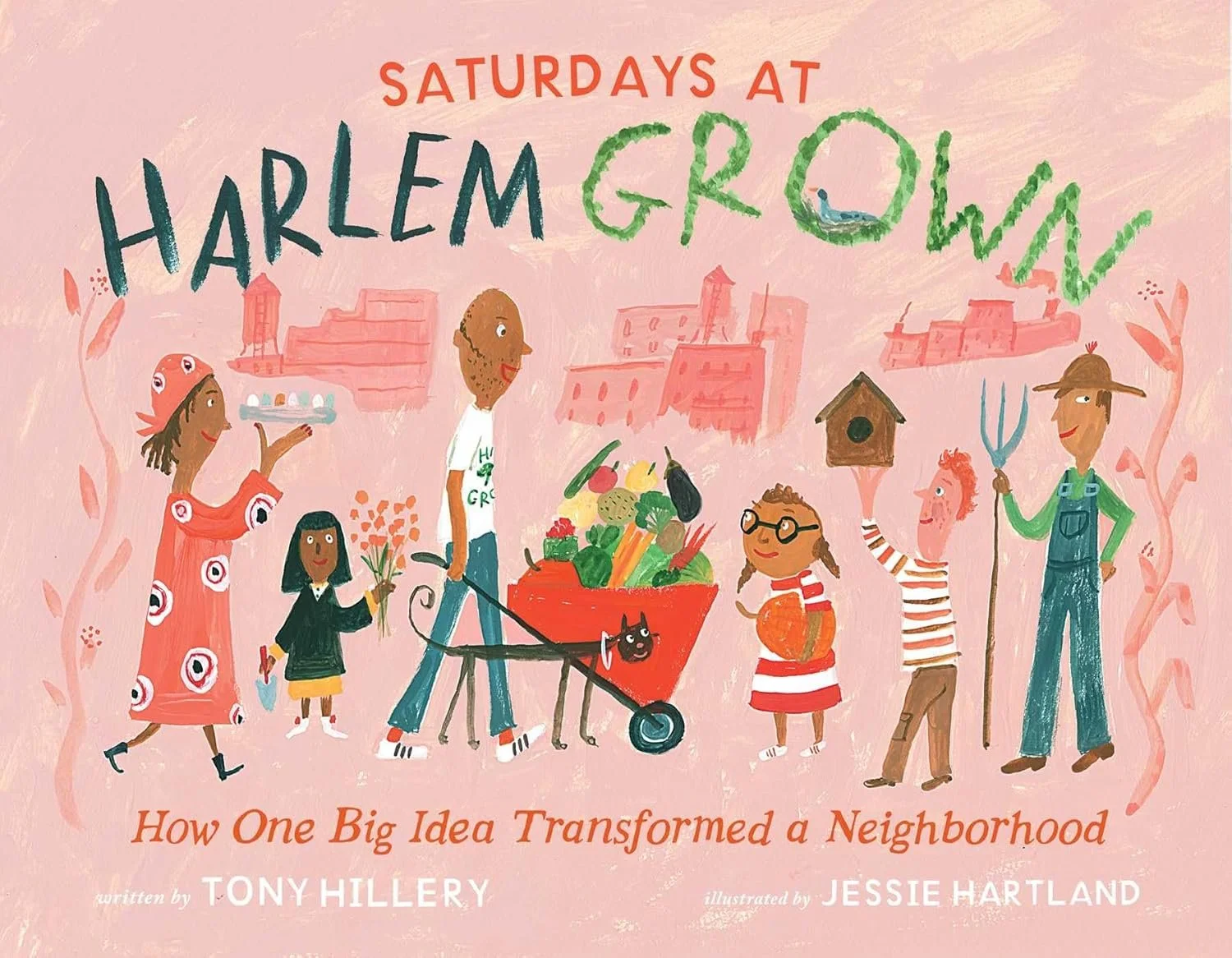
Saturdays at the Harlem Grown tells the true story of how children and families in Harlem come together each Saturday to learn, grow food, and care for their community through an urban garden. What begins as a small neighborhood effort becomes a space for learning, healing, and empowerment. The book highlights food justice, community collaboration, and the power of young people to create change.
Recommended Questions:
Why was Robert Small’s escape such a dangerous and courageous act?
How did slavery and laws of the time shape the risks Smalls faced?
What skills and knowledge helped Robert Smalls succeed in his escape?
How does this story show resistance to unjust systems of power?
How did Smalls’s actions challenge ideas about who deserved freedom and leadership?
What lessons does this story teach about courage, strategy, and justice?
Explain the significance of the statement, “For everyone on board, this was a life-or-death voyage.” What does this reveal their experiences of enslavement?
How did Robert Smalls’s family contribute to his courage and the strategy behind the escape?
Research the events of the story and create a map that traces Robert Smalls’s journey from Charleston Harbor to the waters just beyond Fort Sumter, including key locations and moments along the route. How far was this journey, and why were those waters the desired destination for gaining freedom?
**Learn more about the Harlem Grown project by visiting their website: https://www.harlemgrown.org/leadership
NCSS Theme 7: Production, Distribution and Consumption
This book shows how food is produced in a community garden, distributed to neighbors and families, and consumed in ways that support health and well-being. It highlights how local food systems can address inequities in access to fresh food and reduce reliance on distant markets. Students learn that everyday economic activities—like growing and sharing food—are connected to larger systems of sustainability and justice.
Social Justice Anchor Standard 19: Collective Action
Saturdays at the Harlem Grown shows community members recognizing unmet needs—such as access to healthy food and safe learning spaces—and taking collective action to address them. The garden becomes a way to improve community well-being through cooperation, care, and shared responsibility. The story models how thoughtful action can strengthen communities and promote equity.
WA Geography 2: Understands human interaction with the environment
Saturdays at the Harlem Grown shows how people interact with and transform their environment to meet community needs. By turning unused urban spaces into gardens, community members improve access to healthy food and create places for learning and connection. The book helps students understand that humans shape environments—and that those choices can promote sustainability, health, and equity.
