Freedom on the Sea
Book Summary:
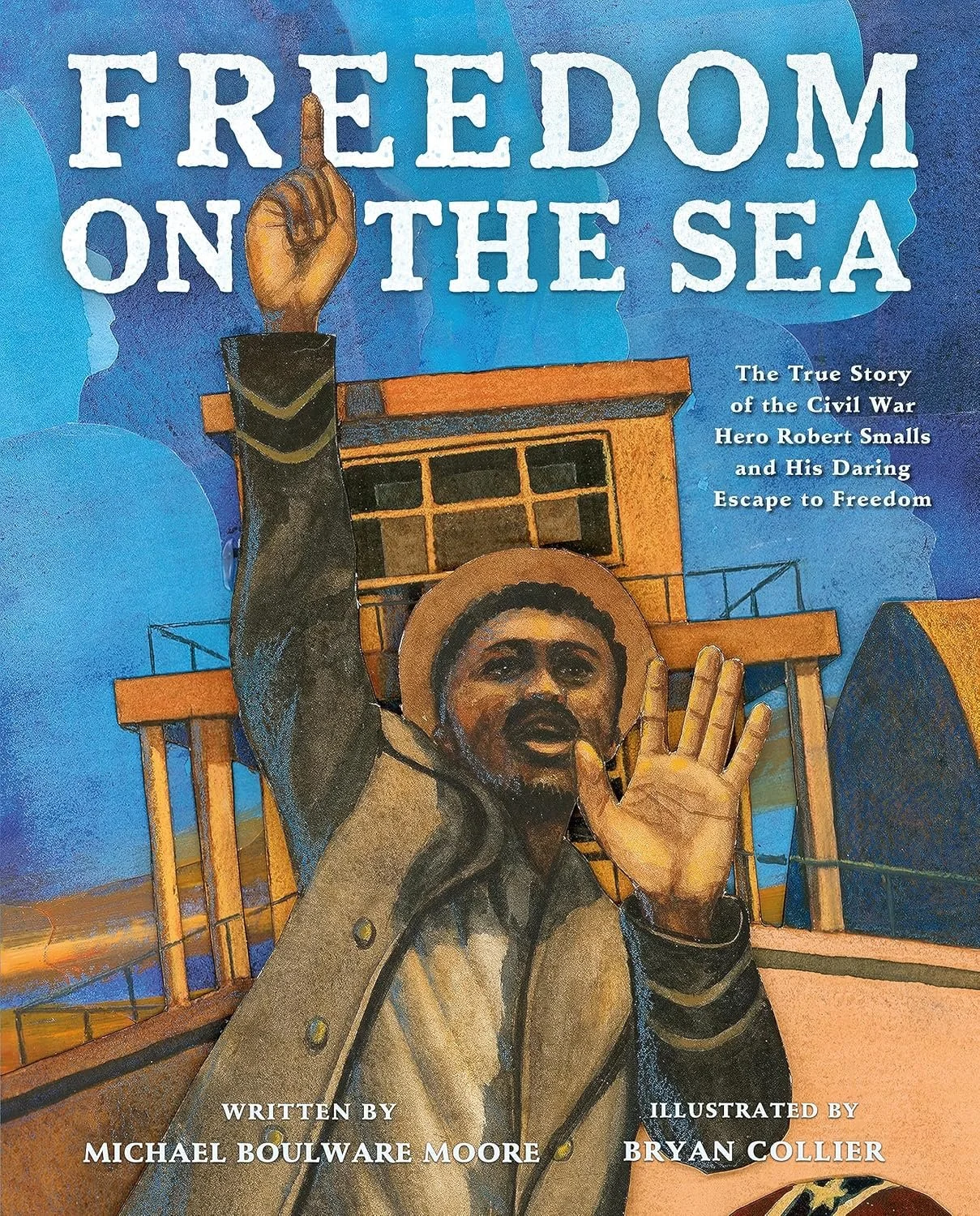
Freedom on the Sea tells the true story of Robert Smalls, an enslaved man who courageously escaped slavery during the Civil War by secretly piloting a Confederate ship to freedom. Risking his life and the lives of his family, Smalls used intelligence, bravery, and careful planning to secure freedom for himself and others. The book highlights resistance, leadership, and the pursuit of freedom in the face of injustice.
Recommended Questions:
Why was Robert Small’s escape such a dangerous and courageous act?
How did slavery and laws of the time shape the risks Smalls faced?
What skills and knowledge helped Robert Smalls succeed in his escape?
How does this story show resistance to unjust systems of power?
How did Smalls’s actions challenge ideas about who deserved freedom and leadership?
What lessons does this story teach about courage, strategy, and justice?
Explain the significance of the statement, “For everyone on board, this was a life-or-death voyage.” What does this reveal their experiences of enslavement?
How did Robert Smalls’s family contribute to his courage and the strategy behind the escape?
Research the events of the story and create a map that traces Robert Smalls’s journey from Charleston Harbor to the waters just beyond Fort Sumter, including key locations and moments along the route. How far was this journey, and why were those waters the desired destination for gaining freedom?
NCSS Theme 6: Power, Governance and Authority
This book examines how laws and systems of power upheld slavery and how individuals resisted those systems. Robert Smalls challenged the authority of the Confederacy and the institution of slavery through his actions. Students learn how power can be enforced unjustly and how people can disrupt oppressive systems.
Social Justice Anchor Standard 13: Analyze harmful impact of injustice historically and today
Freedom on the Sea exposes the injustice of slavery and the risks enslaved people faced when resisting oppression. It helps students understand how racism and dehumanization were embedded in legal and social systems. The book encourages reflection on historical injustice and its lasting impacts.
WA History 2: Understand and analyzes causal factors that have shaped major events in history
The story helps students analyze how slavery, the Civil War, and individual acts of resistance shaped historical outcomes. Robert Smalls’s escape not only led to freedom for his family but also influenced Union policy and perceptions of Black leadership. Students learn how individual actions can affect broader historical events.
