Spirit of Springer
Book Summary:
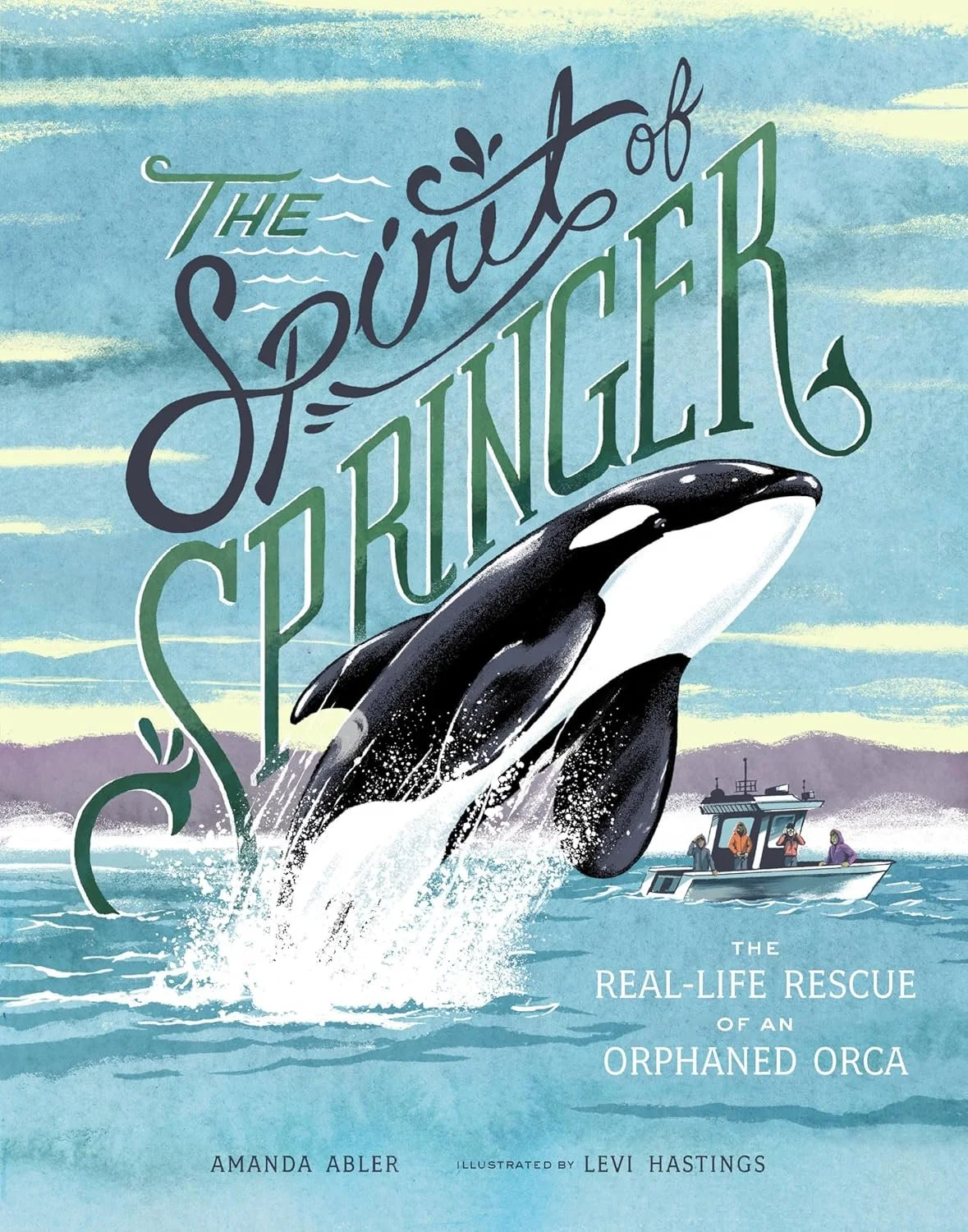
Spirit of Springer tells the true story of Springer, a young orphaned orca found alone in Puget Sound. Scientists, Indigenous leaders, and community members worked together to rescue her and reunite her with her family pod in the Pacific Northwest. The book highlights cooperation, environmental stewardship, and respect for wildlife and Indigenous knowledge.
Recommended Questions:
Who was Springer, and why was it dangerous for her to be alone?
Why was it important to return Springer to her family pod instead of keeping her in captivity?
How did scientists and Indigenous communities work together to help Springer?
The book mentions Indigenous leaders and communities who helped guide the decision to return Springer to her family. Research the specific tribes involved—such as the Lummi Nation, Tulalip Tribes, and Sechelt First Nation (shíshálh). What roles did they play, and how did their cultural knowledge and values influence the rescue and release of Springer?
Why is it important to name and acknowledge specific tribes rather than referring to Indigenous peoples in a general way? How does naming tribes show respect, accuracy, and recognition of sovereignty, history, and contributions?
What role did knowledge of place and environment play in the rescue effort?
How do human activities impact marine animals like orcas?
What responsibilities do communities have to protect wildlife in shared environments?
How does this story show cooperation and collective problem-solving?
What lessons can we learn from Springer’s story about respect for nature and community care?
NCSS Theme 3: People, Places and Environments
This book explores how humans interact with marine environments and wildlife. It shows how place-based knowledge, science, and cultural understanding shaped decisions about Springer’s rescue and return. Students learn how environments are shared spaces requiring responsibility and care.
Social Justice Anchor Standard 18: Speak up with courage against injustice
Spirit of Springer shows people taking action to protect a vulnerable orca by advocating for her return to her family rather than captivity. Students can connect this to speaking up for animals, ecosystems, and communities whose voices are often ignored. The story models respectful, collective action grounded in care, responsibility, and justice.
WA Geography 2: Understands human interaction with the environment
The story illustrates how human actions can both endanger and protect wildlife. By showing collaboration between scientists, governments, and Indigenous communities, the book demonstrates responsible decision-making in environmental management. Students learn that humans play a critical role in protecting ecosystems and the species that depend on them.
