Fauja Singh Keeps Going
Book Summary:
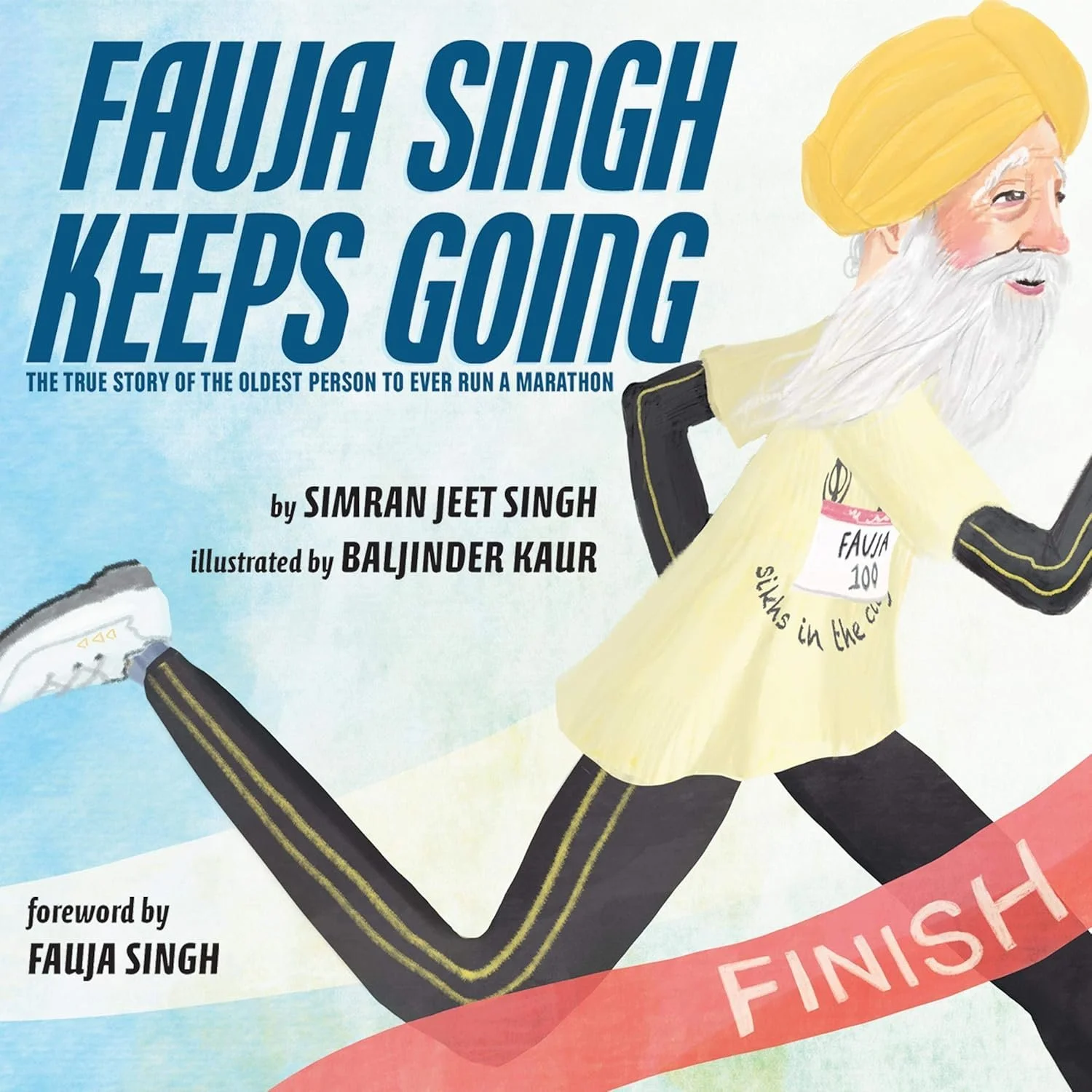
Fauja Singh Keeps Going tells the inspiring true story of Fauja Singh, who began running marathons later in life and continued racing well into his 100s. Despite age, injuries, and societal expectations, Fauja runs with determination, joy, and purpose, earning respect and breaking records. The book celebrates perseverance, resilience, and the belief that it’s never too late to pursue meaningful goals.
Recommended Questions:
What does this story teach you about India, the Punjab region, and the role of family and cultural values in Fauja Singh’s life?
Why is Fauja Singh’s story important, and what makes it different from other sports biographies?
How did Fauja’s age both challenge and inspire him as a runner? What does this teach us about perseverance?
What qualities helped Fauja keep going even when running was difficult or slow?
How does Fauja’s story challenge stereotypes about aging, ability, or limits?
How might culture, family, or community have influenced Fauja’s decisions and motivations?
What can we learn from Fauja about setting goals and facing setbacks?
Why is it important to celebrate achievements that don’t follow traditional timelines?
How can Fauja’s example inspire people of any age to pursue their passions?
The author’s note explains that the Guinness Book of World Records has not officially recognized Fauja Singh because he does not have a birth certificate, even though India did not begin registering births until 1969, when he was already 58 years old. Do you think this is fair? Why or why not?
NCSS Theme 4: Individual Development and Identity
This book explores the development of Fauja Singh’s identity as a runner and as a person who defies stereotypes about aging. It highlights internal growth—such as confidence, resilience, and meaning—through lived experience and persistence. Students learn that individual identity is shaped by actions, beliefs, and the courage to keep going in the face of challenges.
Social Justice Anchor Standard 11: Recognize stereotypes and relate to people as individuals rather than representatives of groups
Fauja Singh Keeps Going challenges stereotypes about age, ability, and who can be an athlete by centering Fauja Singh’s individual story rather than societal assumptions about older adults. The book encourages students to see Fauja as a unique person with determination, joy, and resilience, not as a stereotype about aging. It helps students recognize how assumptions can limit how people are viewed and valued in society.
WA Social Studies Skills 2: Uses inquiry-based research
Fauja Singh’s story invites students to examine evidence of his achievements, question assumptions about aging and ability, and evaluate claims about limitations and possibilities. It encourages inquiry into historical records, biographical research, and critical thinking about social expectations. Students practice asking questions, gathering information, and forming evidence-based conclusions about individual lives in broader contexts.
