When Beavers Flew
Book Summary:
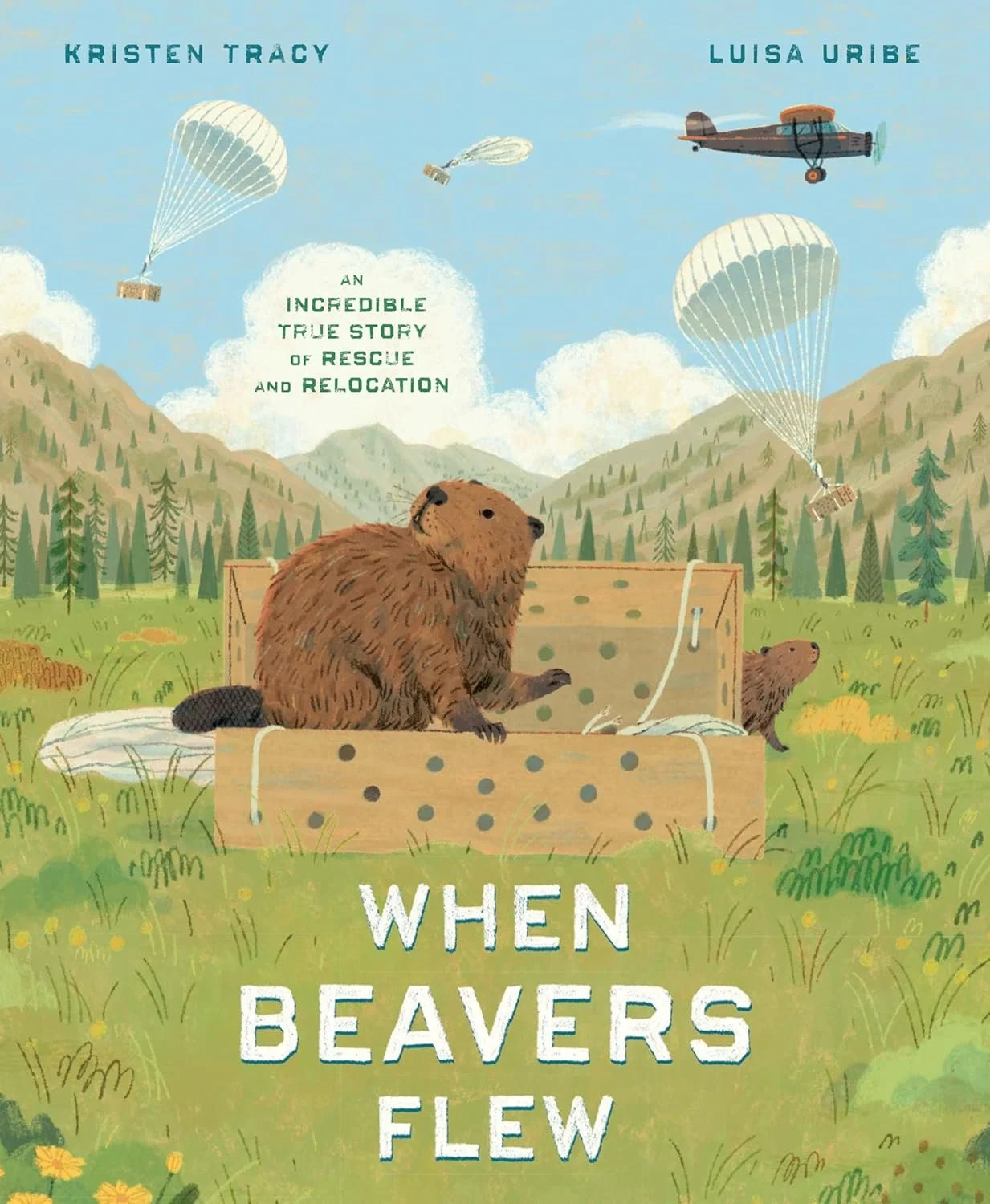
When Beavers Flew tells the true story of what happened in McCall, Idaho in the late 1940s when the town was growing rapidly and beavers were everywhere. Rather than trap or harm them, a creative Fish and Game warden named Elmo Heter devised an innovative plan using surplus WWII parachutes to safely relocate beavers into wilderness areas. The story shows how creative problem-solving and respect for nature can lead to unexpected and humane solutions.
Recommended Questions:
Why did the town of McCall have a problem with beavers as it began to grow after World War II?
Who was Elmo Heter, and what solution did he invent to help both people and beavers? Why was his idea unusual?
How does this story show that human decisions can affect animals and the environment?
In what ways was the beaver relocation plan creative and respectful of nature? Could similar principles apply to other environmental problems?
What challenges might communities face today when balancing development and wildlife protection?
Do you think humans should always try to relocate animals when they conflict with towns? Why or why not?
How did World War II equipment play a role in this story? What does this tell us about reusing materials?
What lessons can this book teach us about problem-solving, innovation, and caring for ecosystems?
Research the Frank Church–River of No Return Wilderness to learn about the long-term effects of the beaver relocation described in the book. Why are protected areas like this important for ecosystems, wildlife, and future generations?
NCSS Theme 3: People, Places and Environments
This book highlights the relationship between humans, animals, and the environment. The narrative shows how human community growth in McCall interacted with local wildlife systems and how problem-solvers worked to protect both human needs and ecological balance. Students can explore how decisions about land use and environmental stewardship affect places and living things.
Social Justice Anchor Standard 13: Harmful impact of bias and injustice
While focused on animals and ecology, this story prompts students to think critically about how human decision-making can prioritize convenience over care for vulnerable communities—whether human or non-human. The effort to relocate beavers rather than harm them encourages reflection on ethical choices, bias toward dominant interests, and responsibility for all beings affected by policies and actions. Students can consider how compassion and fairness inform justice in real-world decisions.
WA Geography 2: Understands human interaction with the environment
When Beavers Flew illustrates how human growth, town planning, and environmental systems intersected in post-World War II Idaho. The story shows how people made decisions that affected the beaver populations and wetlands, and how creative environmental management was used to balance human needs and ecosystem health. Students can use this real-world example to analyze how humans interact with nature and make decisions with long-term ecological consequences.
Links to Related Primary and Secondary Resources
Video of parachuting beavers
