Gifts from the Garbage Truck
Book Summary:
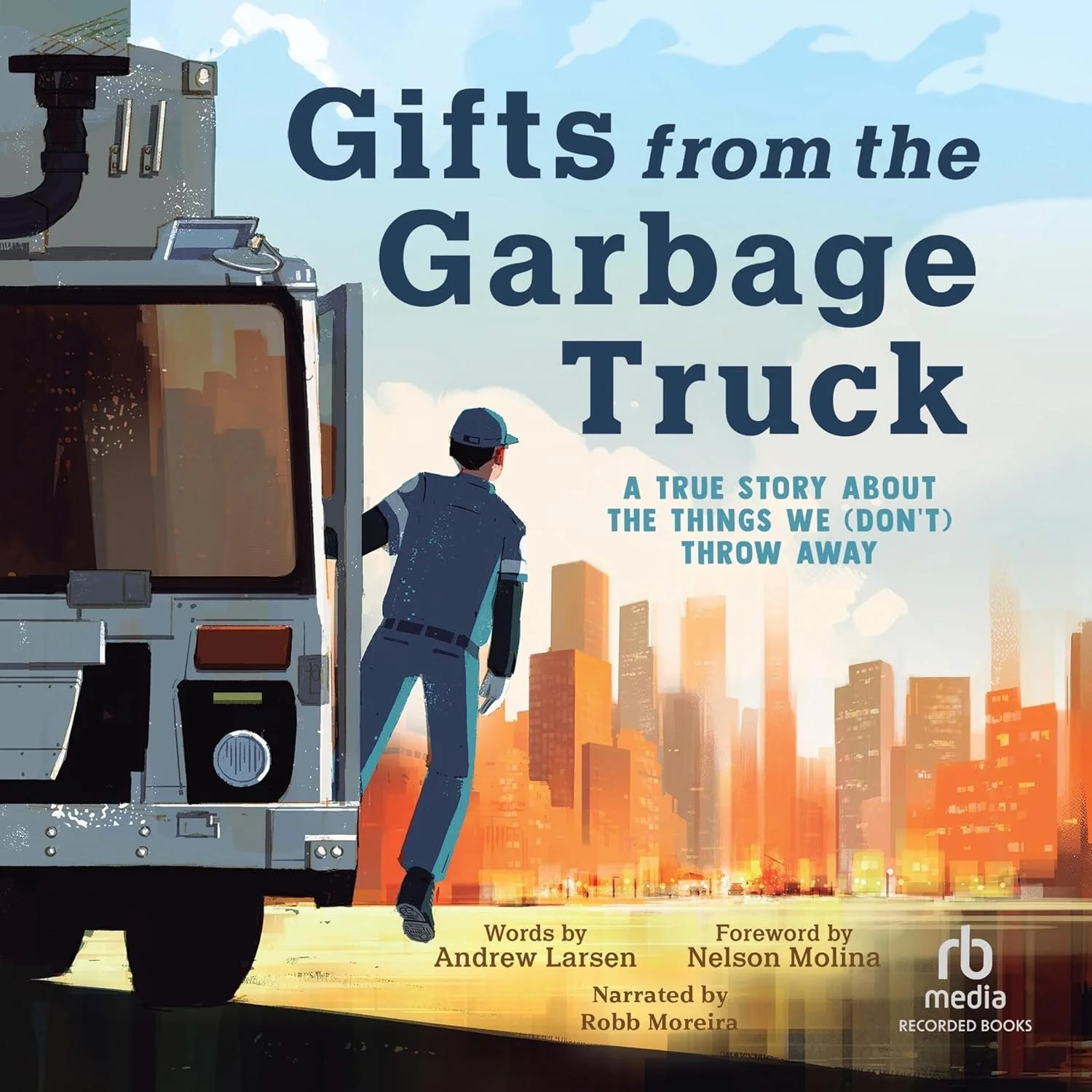
This book tells the true story of Nelson Molina, who grew up watching his mother recycle, repair, and upcycle everyday items rather than throw them away. Inspired by her values, Nelson becomes a sanitation worker in New York City and begins saving meaningful objects people discard, eventually creating a museum filled with these reclaimed treasures. The story highlights how care, creativity, and respect for resources can transform trash into history, art, and community memory.
Recommended Questions:
Why do people throw away items that are still useful?
What does the book teach us about the value of repair and reuse?
What stereotypes about garbage collectors or waste does the book challenge?
How do our consumption choices affect the environment and other people?
What are ways students and schools can reduce waste and share resources?
The book explains that trash can be shipped out of town, burned, buried underground, recycled, or turned into electricity. Choose one of these methods and research what happens learn more about this technique and its impacts.
Research and learn more about the museum that Nelson Molina created. What types of objects are included, and what do they tell us about people, history, and waste?
Imagine you are asked to create a two-minute commercial encouraging your community to reduce waste and adopt Molina’s ideas about reuse and upcycling. What key messages would you include, and why do you think they would be effective?
Research where the trash from your own community goes. What does this process tell you about how communities manage waste and environmental responsibility?
NCSS Theme 7: Production, Distribution and Consumption
This book examines how goods are consumed, and discarded, but can be reused instead. It encourages students to think critically about consumer culture and the choices people make about waste. Through everyday examples, the story shows how alternative practices—repairing, reusing, and sharing—can support sustainability and community well-being.
Social Justice Anchor Standard 13: Harmful impact of bias and injustice
The book invites students to question systems that encourage waste while overlooking reuse and community sharing. It also challenges stereotypes about sanitation work by valuing the labor and knowledge of garbage collectors. Students are encouraged to think about fairness, dignity of labor, and access to resources.
WA Geography 2: Understands human interaction with the environment
This book shows how human choices about consumption, disposal, and reuse directly affect the environment. Through Nelson Molina’s actions—saving, repurposing, and preserving discarded items—students see how people can reduce waste and reshape their relationship with material resources. The story helps students understand that everyday decisions about what we throw away or reuse are meaningful forms of human–environment interaction.
