The Oldest Student
Book Summary:
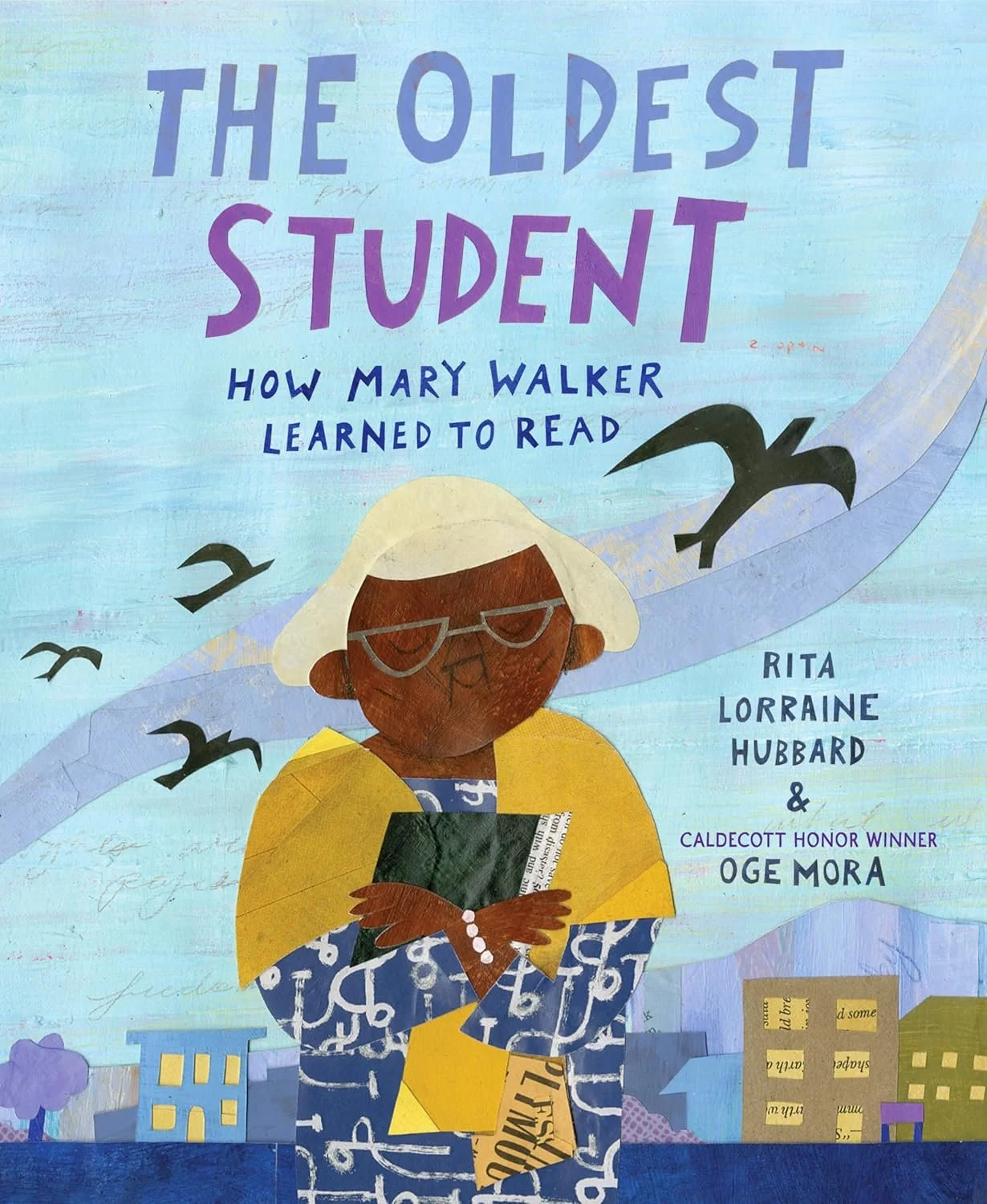
The Oldest Student tells the true story of Mary Walker, who was enslaved as a child and denied the right to learn to read. After emancipation, Mary pursued literacy with determination and eventually learned to read at age 116. Her story highlights the power of education, perseverance, and lifelong learning in the face of injustice.
Recommended Questions:
How did laws and rules during slavery control who was allowed to learn to read? How did the effects of these laws remain in place even after slavery was abolished?
How did the effects of slavery more generally, continue to shape Mary Walker’s life even after emancipation?
Why might reading and education be viewed as dangerous by those in power?
What does this story teach us about the importance of access to education?
What does Mary Walker’s story teach us about perseverance, hope, and never giving up on one’s dreams?
How does this book challenge assumptions about age, ability, or who can be a student?
Imagine Mary were alive today and had just learned to read. If she asked you for a book recommendation, which book would you choose, and why do you think it would be meaningful to her?
Mary Walker lived from 1848 to 1969. What was the world like when she was born, and what major social, technological, and political changes did she witness during her lifetime?
Research Mary Walker using primary sources such as photographs, newspaper articles, or historical records. What additional details do these sources reveal about her life and legacy?
NCSS Theme 4: Individual Development and Identity
This book illustrates how unjust laws and institutions denied enslaved people access to education. Mary Walker’s lifelong perseverance in pursuing literacy demonstrates how individuals can resist and overcome institutional injustice, even across decades. Her story helps students understand that perseverance is a powerful response to oppression and that individuals can reclaim dignity and opportunity despite systemic barriers.
Social Justice Anchor Standard 12: Recognizing individual and systemic injustice
The book shows how laws and practices made it illegal for enslaved people to learn to read, demonstrating systemic injustice. Mary Walker’s story helps students recognize that denial of education was a deliberate tool of oppression. It also emphasizes the injustice of lifelong barriers created by enslavement and segregation.
WA History 4: Understands civic involvement
The Oldest Student shows how the legacy of slavery and laws that denied education to Black Americans continued to affect people long after emancipation. Mary Walker’s perseverance in learning to read at age 116 helps students connect past injustices to present-day issues of educational access and equity. Her story encourages students to consider how historical barriers still shape opportunities today and why continued efforts toward justice and inclusion are necessary.
Links to Related Primary and Secondary Sources
