Anna and Samia
Book Summary:
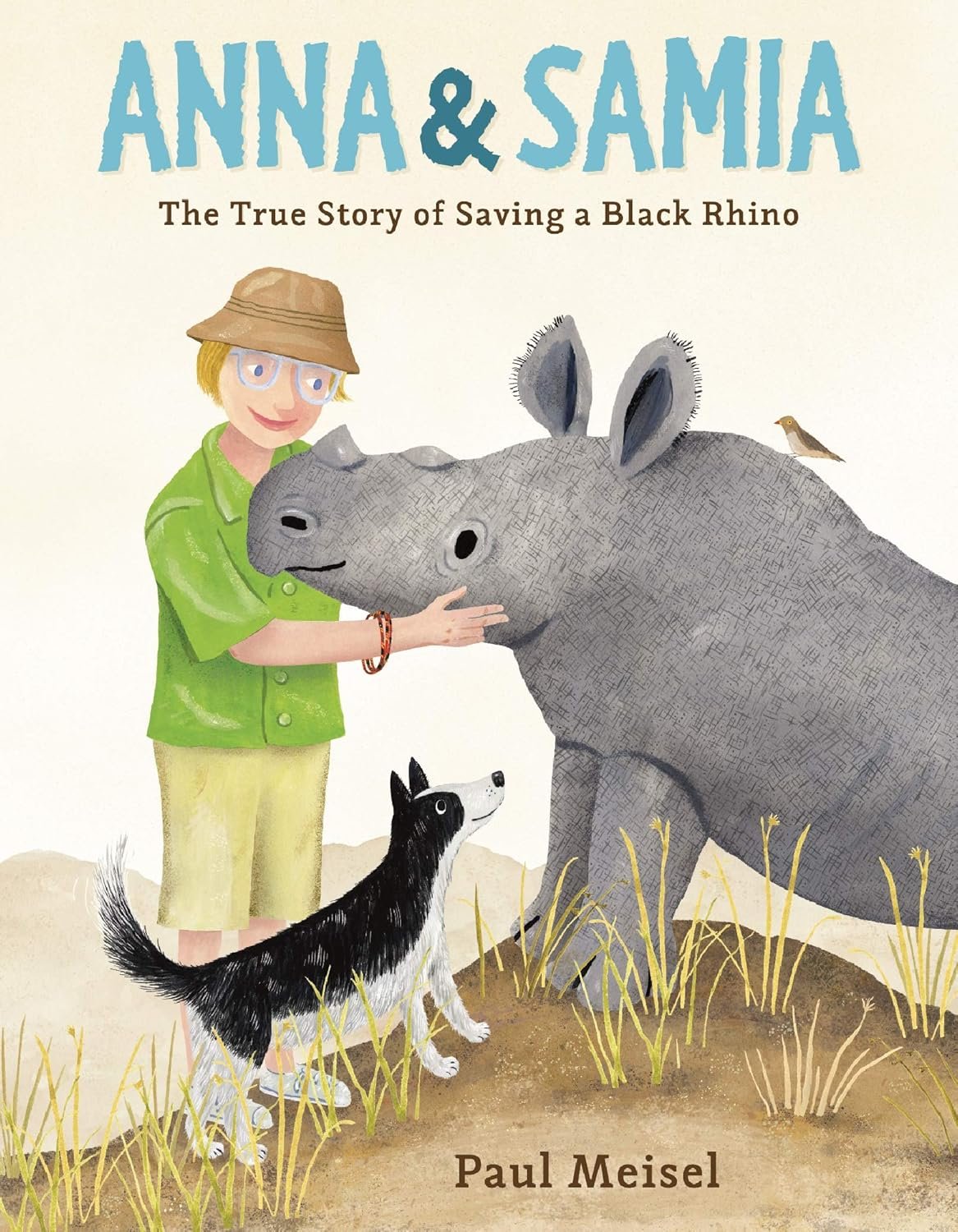
Anna & Samia tells the true story of Anna Merz — a wildlife conservationist — and a baby black rhinoceros she rescues, names Samia. Anna cares for Samia tenderly, nursing her, keeping her warm, and teaching her how to survive. Over time Samia grows strong enough to rejoin the wild, but the bond they formed stays as a testament to compassion, care, and the possibility of healing for endangered animals.
Recommended Questions:
What does Anna’s decision to rescue Samia reveal about human responsibility toward other living beings and the environment?
Why do you think it was important to Anna that Samia eventually be able to live on her own? How does that belief reflect respect and understanding?
In what ways does Anna show respect for Samia as a wild animal rather than treating her like a pet? Why is this important?
How does the relationship between Anna and Samia show that diversity—between species—can lead to meaningful connection and learning?
How does the environment (the Kenyan sanctuary, the wild, the human home) influence Samia’s chances of survival and growth?
In what ways do humans impact animal populations and ecosystems, both positively and negatively? How does Anna & Samia provide an example of positive impact?
What challenges might people face when trying to protect endangered animals and preserve their habitats?
The information at the back of the book details Anna’s role in the Lewa Wildlife Conservancy. Visit the organization’s website to learn more about rhinos and other animals in Kenya, and the conservancy’s various efforts.
Research Anna Merz to learn more about her life, work, and legacy. How did her actions contribute to conservation and animal welfare?
Compare the situation in the book to wildlife conservation efforts near your community or in your country. What similarities or differences do you notice?
NCSS Theme 3: People, Places and Environments
The book explores the relationship between humans and the natural environment, showing how human choices can help protect vulnerable species and ecosystems. Through Anna’s compassionate actions and sanctuary work, readers learn about conservation, habitat, and human responsibility to the environment. It connects people, place (the rhino sanctuary in Kenya), and environment, demonstrating how our interactions with nature can reflect values of care and stewardship.
Social Justice Anchor Standard 9: Connection across differences
Anna & Samia demonstrates how empathy and respect can extend beyond human relationships and shape how we care for the natural world. Anna learns to understand Samia’s needs, behaviors, and vulnerabilities, developing a deep connection that is grounded in compassion rather than control. The story shows that truly responding to diversity—whether cultural, ecological, or species-based—requires us to listen, learn, and honor the unique needs of others. By respecting Samia’s independence and ensuring she can survive on her own, Anna models how empathy can lead to responsible action and justice for both animals and their ecosystems.
WA Geography 2: Understands human interaction with the environment
Anna & Samia shows how human choices — such as rescuing an abandoned rhino and establishing a sanctuary — directly affect animal populations and ecosystems. The book offers concrete examples of conservation efforts, human responsibility toward endangered species, and how humans can play a role in protecting biodiversity. It helps students understand how location, environment, and human intervention intersect, aligning with geographic concepts of human–environment interaction.
Links to Related Primary and Secondary Resources
