Hiroshima No Pika
Book Summary:
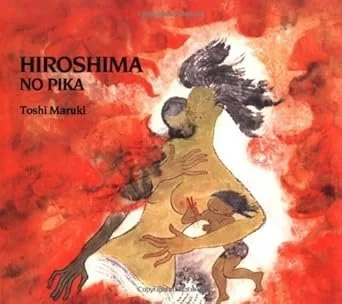
Hiroshima No Pika is a poignant picture book that recounts the experiences of children who survived the atomic bombing of Hiroshima in 1945. Through illustrations and narrative, it portrays the destruction, fear, and resilience of the survivors, emphasizing the human cost of war. The book conveys a message of peace, remembrance, and the importance of reflecting on historical events to prevent future tragedies.
Recommended Questions:
What events led to the bombing of Hiroshima, and how did these decisions affect the people who lived there?
How do the illustrations and narrative work together to help you understand the reality of these historical events?
How did the atomic bombing change the lives of survivors, especially children?
How does the book help you understand the human impact of war?
How does this story help you see the importance of peace movements and nuclear disarmament?
What are the lasting effects of war on countries, communities, and individuals?
What does the phrase “Hiroshima no Pika” mean?
Investigate how this term has been used in the past and how it might be understood or referenced today.
How does understanding this term help you better grasp the experiences of people who lived through the atomic bombing?
NCSS Theme 2: Time, Continuity and Change
This book presents a pivotal moment in world history and illustrates its lasting impact on individuals, families, and communities. Students can examine how historical events—like the atomic bombing—shaped societies, cultures, and policies. It encourages learners to understand how past events influence contemporary global issues, including peace movements and nuclear disarmament.
Social Justice Anchor Standard 15: Fairness and Justice
Hiroshima no Pika helps students understand how systems of power and war decisions can have devastating impacts on ordinary people, particularly civilians. The book highlights how the atomic bombing disproportionately affected Japanese citizens, including children, while being a strategic decision by the U.S. government. This encourages learners to think critically about how political and military systems can create advantages for some groups while causing harm to others, and to consider ethical responsibilities in decision-making.
WA History 2: Understands and anaylzes causal factors that have shaped major events in history
Students can explore the causes and effects of the Hiroshima bombing, including political, military, and social factors. They can analyze how government decisions created long-term consequences for civilians and global relations, developing historical reasoning and ethical reflection.
