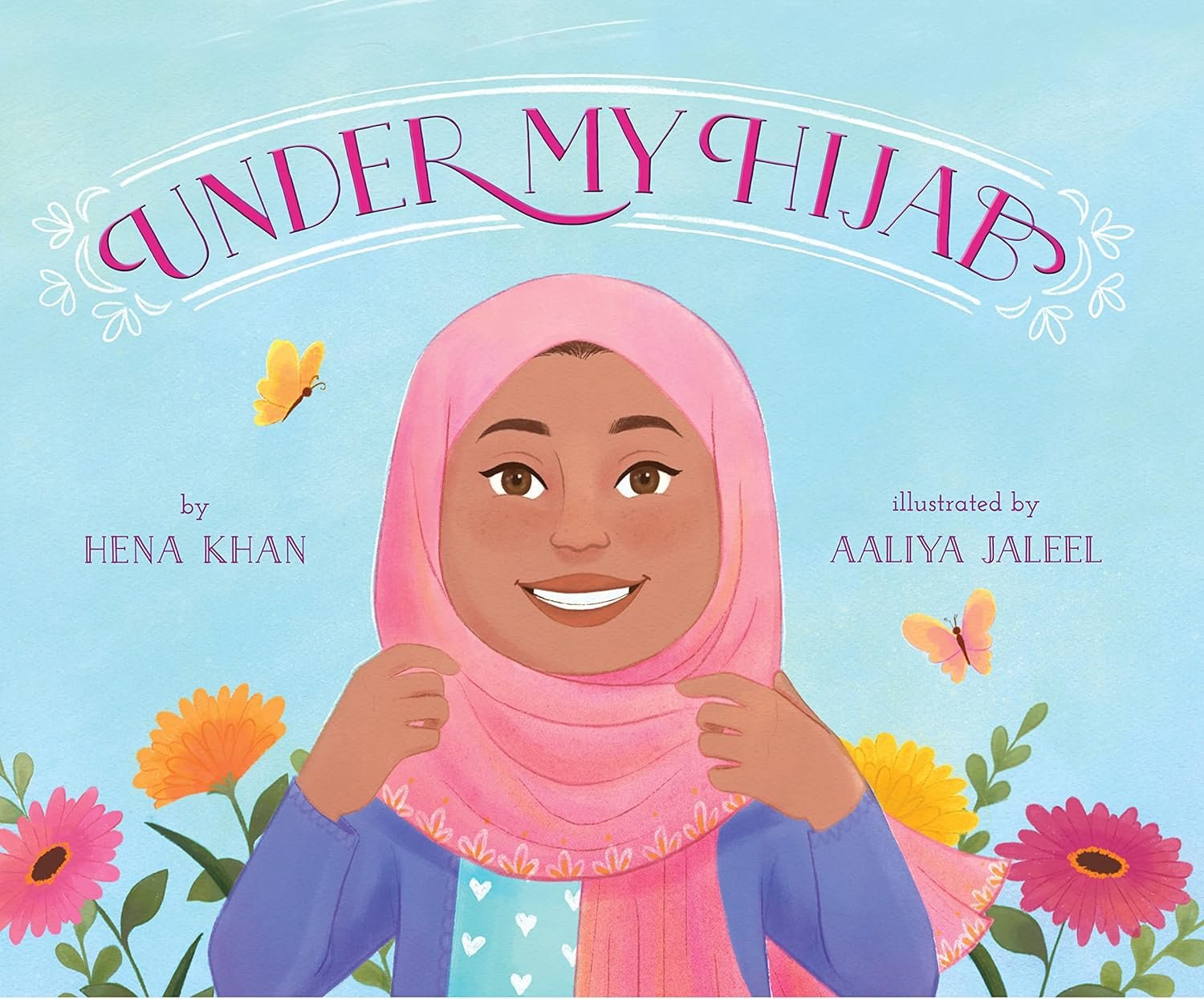
Under My Hijab
Book Summary:
Under My Hijab is a children’s picture book that celebrates the experiences of Muslim girls who choose to wear the hijab. The story explores the pride, individuality, and strength that comes from this visible expression of faith and cultural identity. It emphasizes self-respect, confidence, and embracing one’s beliefs while navigating perceptions in the broader community.
Recommended Questions:
What did you learn about hijabs from this book?
How does wearing a hijab communicate a person’s cultural or religious identity?
How do the girls in the story show confidence and pride in their choices?
Why is it important to respect the different ways people express their culture or beliefs?
How might the experience of wearing a hijab differ in different countries or communities?
How does this book help you understand the experiences of people from different cultural or religious backgrounds?
How do clothing, language, and traditions help preserve cultural identity across generations?
Why do you think the author felt it was important to write this book?
NCSS Theme 1: Culture
This book highlights the ways identity, religious practice, and cultural traditions shape daily life. It demonstrates how clothing, language, and faith practices communicate cultural values and individual identity. Students learn to appreciate the diversity of cultural expression and the importance of respecting differences within their communities.
Social Justice Anchor Standard 6: Valuing Diversity
This story helps students develop comfort and respect in interacting with people from diverse backgrounds. By showing the pride and confidence of girls wearing hijabs, the book invites students to reflect on both similarities and differences in experiences, fostering empathy and inclusivity. It encourages learners to appreciate diversity and feel confident engaging with others who may have different cultural or religious identities.
WA Social Studies Skills 3: Deliberates Public Issues
The book can serve as a springboard for discussions about public issues such as religious freedom, cultural expression, and social expectations. Students can deliberate on how communities respond to cultural or religious practices, consider multiple viewpoints, and discuss how to promote respect and equity in their schools and neighborhoods.
