We Want to Go to School!
Book Summary:
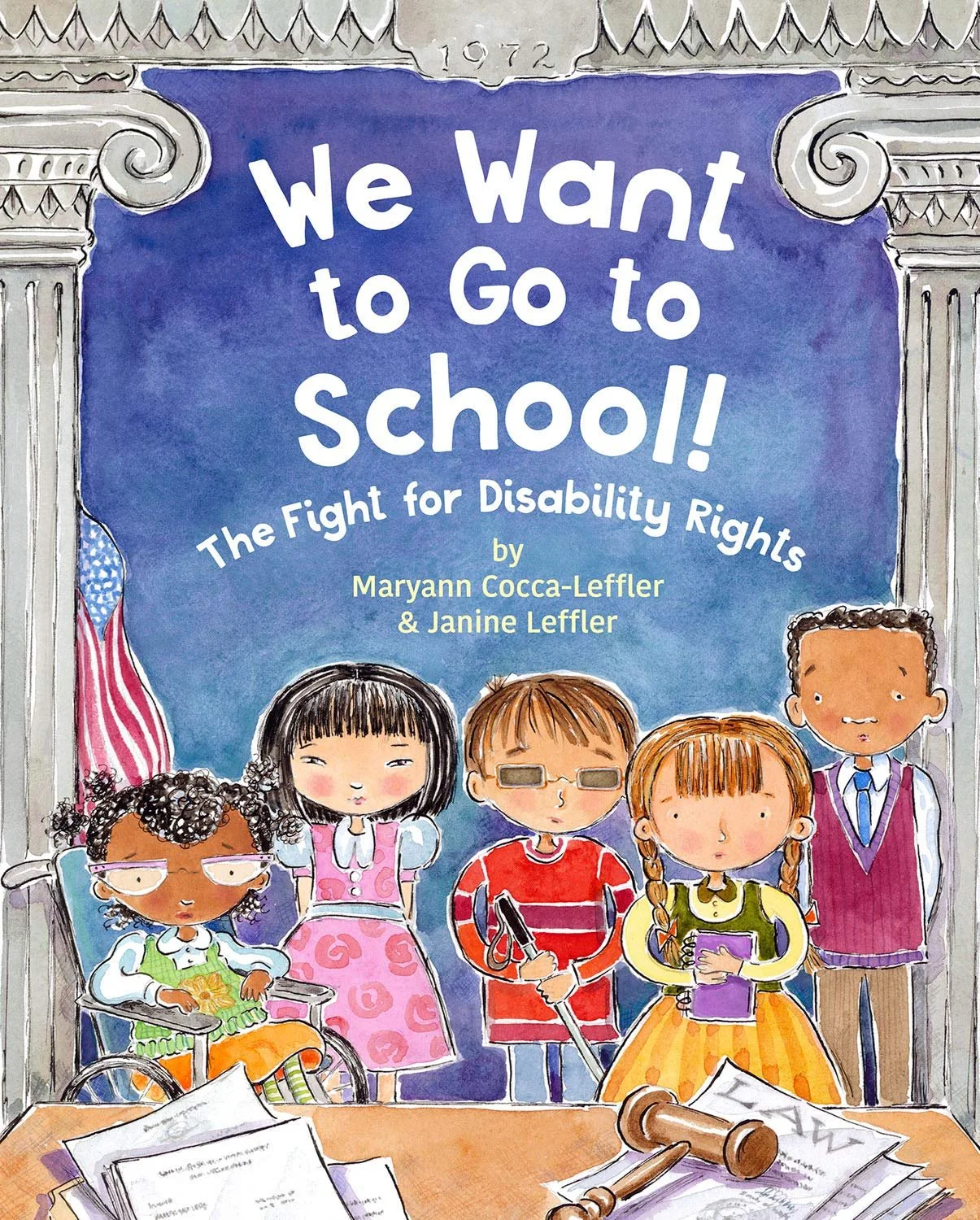
We Want to Go to School tells the true story of the disability rights movement led by students and families who fought for equal access to public education. Before federal laws protected their rights, many children with disabilities were denied entry to schools altogether. This book highlights their courage, persistence, and collective action, eventually leading to the passage of laws guaranteeing all children the right to an education.
Recommended Questions:
Before the laws changed, many children with disabilities were not allowed to attend school. Why was this unfair, and how did the families in the book respond to this injustice?
The book explains that Brown v. Board of Education inspired families to fight for the rights of children with disabilities, and that Mills v. Board of Education later inspired additional court cases for educational equity. How does this show the importance of learning history?
How does this book help you understand the difference between moments of individual unfairness and unfair systems or laws?
Imagine you are a lawyer representing the children in Mills v. Board of Education. What are three reasons you would use to support children with disabilities having access to public education?. How did the fight for disability rights improve education not only for children with disabilities but for all students?
What does this story teach us about the power of collective action—people working together for a shared goal?
How do you think students felt when they were finally allowed to attend school? What might school have meant to them and their families?
Thinking about your own school community, what actions can students take today to ensure that everyone is not only allowed in the space but also feels accepted, included, and welcomed?
Standards:
NCSS Theme 6: Power, Authority and Governance
This book demonstrates how laws, policies, and court decisions shape people’s rights and opportunities. The story shows how families and advocates worked to change unjust systems and ensure equal access to education. Students learn that civic engagement and legal action can lead to meaningful structural change in society.
Social Justice Anchor Standard 12: Understading Bias
The book clearly illustrates systemic injustice: children with disabilities were legally and institutionally excluded from public schools. Students see how discrimination was embedded in policies—not just individual attitudes—and how advocates worked collectively to challenge those systems. The story helps readers identify inequities and understand the importance of changing laws to protect everyone’s rights.
WA Civics 4: Understands Civic Involvement
The book demonstrates how everyday people—including children and families—can influence policy by organizing, advocating, and using the legal system to challenge discrimination. It shows that civic involvement is not limited to voting; it includes speaking out, participating in protests, filing lawsuits, and working together to create change. Students learn that civic action is a vital part of ensuring fairness and access to rights for all community members.
