Emmanuel’s Dream
Book Summary:
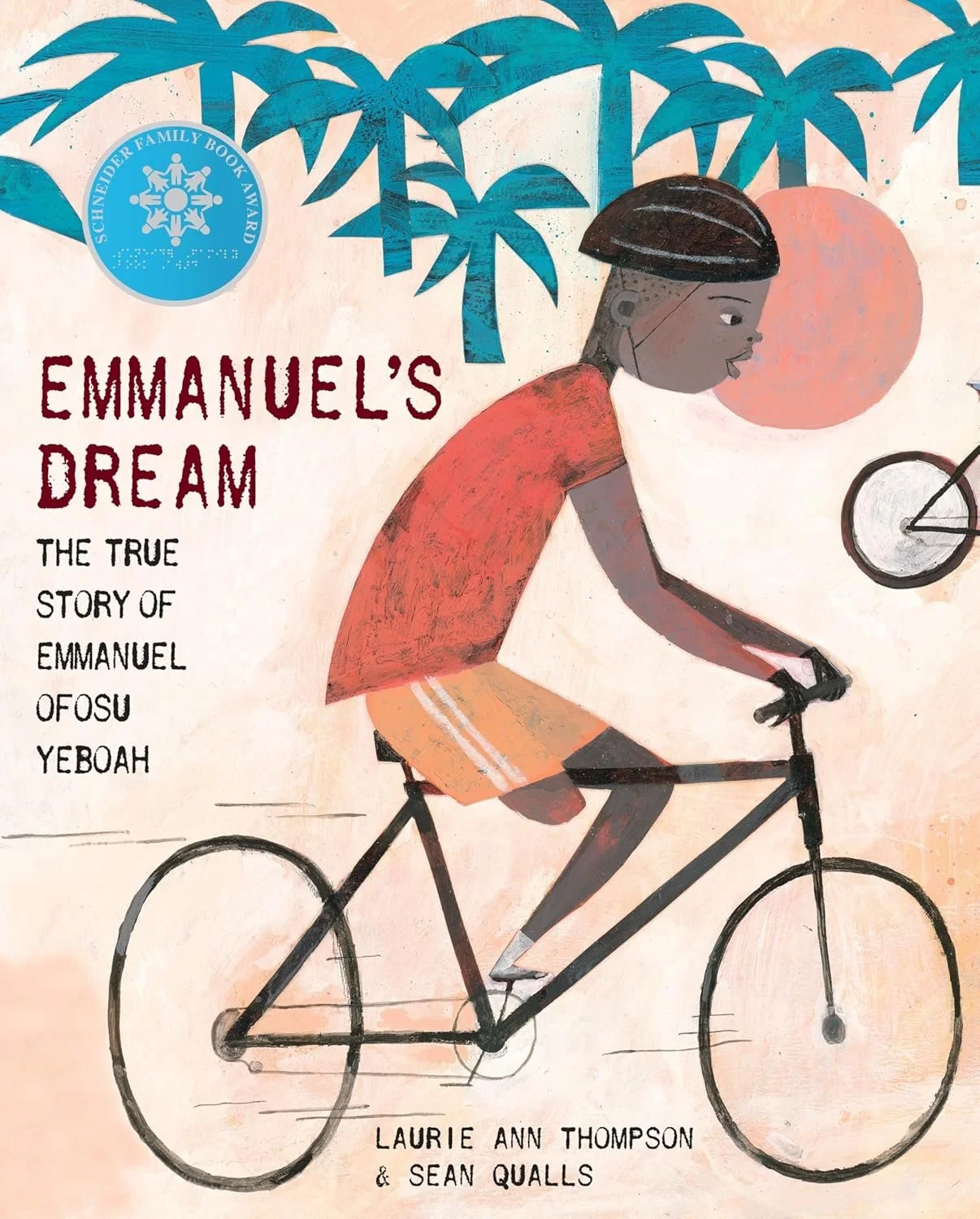
The book tells the true story of Emmanuel Ofosu Yeboah, who was born in Ghana with only one functional leg and faced widespread discrimination and the belief that he was cursed. Taught by his mother to be self-reliant, he eventually embarked on a 400-mile bicycle journey across Ghana with one leg to spread the powerful message that "disability is not inability". His determination not only made him a national hero but also helped change laws and perceptions regarding people with disabilities in his country.
Recommended Questions:
How did Emmanuel navigate the physical and social barriers of his disability? Beyond physical strength, what specific internal traits fueled his success?
Why was Emmanuel initially underestimated by his community? In what ways did his 400-mile journey act as a "silent argument" that changed their minds?
How does Emmanuel’s story challenge our own definitions of "disability"? What specific steps can communities take to ensure people with disabilities are truly included rather than just observed?
Based on the descriptions of the terrain, weather, and landmarks during his ride, what can we infer about the physical geography and climate of Ghana?
In what ways did Emmanuel’s mother provide the "emotional scaffolding" he needed to thrive? How might his life have differed without her specific brand of encouragement?
Why do you think the food stand owner was willing to give Emmanuel a chance when others wouldn't? What does this interaction teach us about the impact of small acts of belief?
Why was receiving the King’s blessing a critical step for Emmanuel? What does this gesture reveal about the intersection of tradition, leadership, and social change in his culture?
Investigate the life of Emmanuel Ofosu Yeboah beyond his famous ride. How has he used his platform to influence legislation and sports for the disabled in Ghana today
NCSS Theme 4: Individual Development and Identity
This book focuses on Emmanuel’s personal growth, resilience, and determination in the face of societal bias. Through his journey from a boy judged by his disability to a national figure spreading a message of empowerment, students explore how individual identity is shaped by personal choices, community influences, and cultural expectations
Social Justice Anchor Standard 20: Plan and carry out collective action
Emmanuel’s entire journey was a form of collective action; he not only challenged individual prejudices but also worked with the government to pass the Persons with Disabilities Act, a clear example of working toward systemic change. This demonstrates how one person's commitment can inspire broader community action and legislative progress.
WA Economics 1: Understands people make choices between wants versus needs
Emmanuel’s Dream connects to the idea that people must make choices between wants and needs because Emmanuel chose to leave his village and work in the city so he could earn money to support his family, since his mother was too sick to work. Even though this meant not seeing his family for two years, he prioritized meeting their needs over his personal comfort. Students can see how this decision had both challenges and benefits—Emmanuel gained skills and independence, and his actions helped improve his family’s well-being—showing how thoughtful choices can affect both personal and community outcomes.
