When I Was Eight
Book Summary:
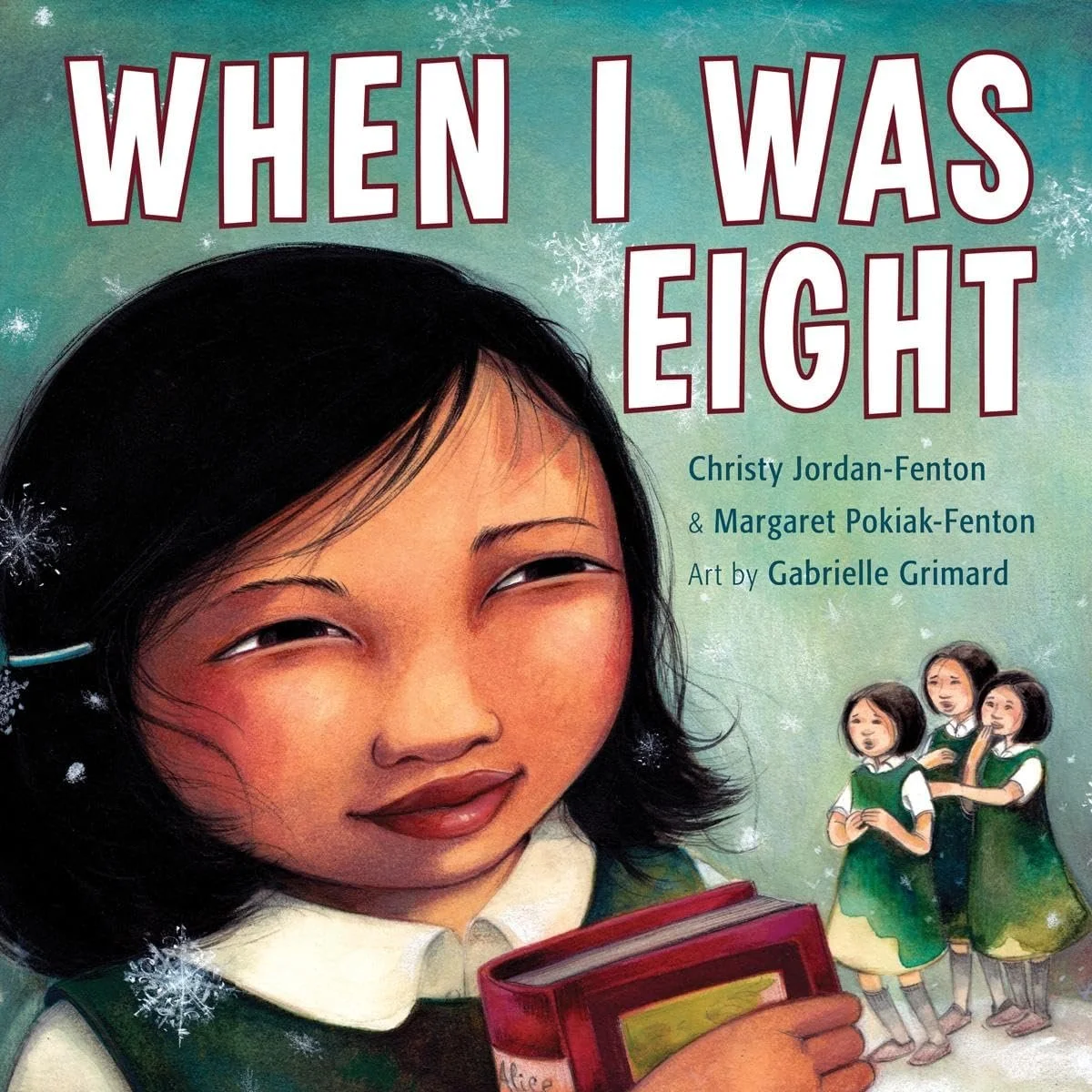
When I Was Eight is a picture‑book memoir that tells the true story of Inuit girl Olemaun, who eagerly wants to learn how to read and convinces her parents to let her attend a distant residential school. Once there, she faces harsh treatment from the nuns—who cut her hair, change her name, and make her do chores—yet her resilience and determination help her persevere and succeed in learning to read. This powerful story highlights courage, identity, and the importance of literacy in the face of adversity.
Recommended Questions:
Olemaun was very knowledgeable before she went to school. What are some of her skills and ways she showed intelligence?
Why do you think Olemaun’s father did not initially allow her to attend the school?
Why did Olemaun want to attend the outsiders’ school? What did learning to read mean to her?
How did the residential school change Olemaun’s life and identity? What things did the school take from her (like her name and hair), and why do you think that mattered?
What challenges did Olemaun face at the school, and how did she respond to them?
What does this story teach us about perseverance and inner strength? How does Olemaun show resilience?
How does understanding Olemaun’s experience help us think about the history of residential schools and their impact on Indigenous peoples?
Why is it important to respect someone’s language and culture? How might losing a language affect a person?
What would you say to someone who wants to understand why Olemaun’s story is significant?
How can learning about real historical experiences like Olemaun’s help you become a more thoughtful and empathetic person?
In what ways did Olemaun keep her identity and goals alive, even when others tried to change her?
NCSS Theme 1: Culture
This book highlights the cultural traditions, language, and identity of the Inuvialuit (Inuit) people, showing how Olemaun’s family and community shaped her early life. When she is sent to a residential school, those cultural practices and her name are challenged, illustrating the tension between Indigenous culture and the forced assimilation policies of the schools. By reading her story, students can explore how culture influences identity, values, and daily life, and understand the importance of respecting and preserving cultural heritage.
Social Justice Anchor Standard 13: Harmful impact of bias and injustice on the world, historically and today
When I Was Eight shows how systemic bias and injustice—through the residential school system in Canada—targeted Indigenous children like Olemaun. These schools tried to erase her language, name, and culture, demonstrating the historical harm of cultural oppression and discrimination. The book also helps students connect these historical injustices to ongoing challenges faced by Indigenous communities today, such as the fight for cultural preservation, language revitalization, and recognition of rights. By studying her story, learners can see how bias and injustice affect individuals, families, and societies both historically and in contemporary contexts.
WA History 4: Understand how historical events inform analysis of contemporary issues
The story is set in the context of Canadian residential schools, a historical system that forcibly removed Indigenous children from their families to assimilate them. By examining Olemaun’s experiences, students can connect historical policies to contemporary issues such as Indigenous rights, cultural preservation, and reconciliation efforts. The book helps students analyze the long-term effects of history on communities today and understand why learning this history is essential for social justice.
