Daddy There’s A Noise Outside
Book Summary:
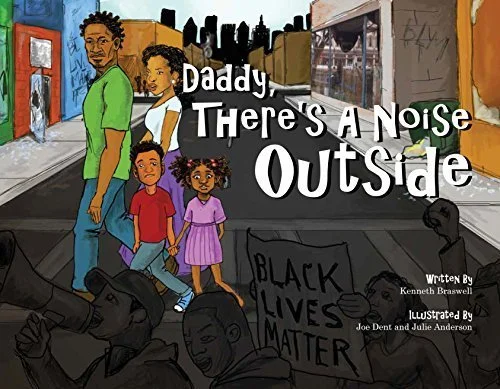
Daddy, There’s a Noise Outside tells the story of a young Black child who wakes his father after hearing a noise outside their home. Through a calm and reassuring conversation, the father explains how fear, safety, and love intersect in a world where Black families must navigate real dangers. The book highlights the importance of trust, protection, and honest conversations between parents and children.
Recommended Questions:
Why do you think the child feels scared when he hears a noise outside? How does his father respond to that fear?
How does the father balance comforting his child while also preparing him for the realities of the world?
What does this story teach us about trust and communication within families?
How might this conversation look different in different families, and why do you think those differences exist?
How does this book help us understand how history and society influence people’s sense of safety over time?
Why is it important for children to read stories in which adults listen carefully and respond with care?
How does this book help us think about fairness, safety, and protection within communities?
How does the story connect to the subtle image on the book’s cover that includes a Black Lives Matter sign?
Research the March on Washington and the Million Man March. What were the goals of each event? Who participated, and why were these marches significant in U.S. history?
The book does not name a specific protest. Instead, it explains that “our community is frustrated by the way some police officers are treating people in our community.” Research a historical or contemporary event that you believe fits this description. Explain why this event connects to the themes of the book.
**Additional resources connected from the author are available at fathersincorporated.com**
NCSS Theme 10: Civic Ideals and Practices
This book explores how families prepare children to live safely and responsibly within society. It highlights the unequal realities some communities face and emphasizes values such as care, responsibility, and protection. The story encourages students to think about protests, fairness, rights, and how civic systems impact families differently.
Social Justice Anchor Standard 18: Speak up with courage and respect why someone has been hurt or wronged by bias
This book models how even young children can recognize injustice and respond through respectful protest and courageous truth-telling. The child’s questions and the father’s guidance show that speaking up—naming fear, unfairness, or harm—is both valid and important, regardless of age. By portraying protest as thoughtful, caring, and grounded in love and community, the story encourages students to understand that their voices matter and that standing up against bias can begin early in life.
WA History 4: Understand how historical events inform analysis of contemporary issues
This book reflects how historical and ongoing racial injustice shapes present-day experiences for Black families. The father’s guidance is informed by real historical patterns of racism, violence, and unequal treatment. Students can use the story to analyze how past injustices continue to influence family conversations, community safety, and social conditions today.
