Barbed Wire Baseball
Book Summary:
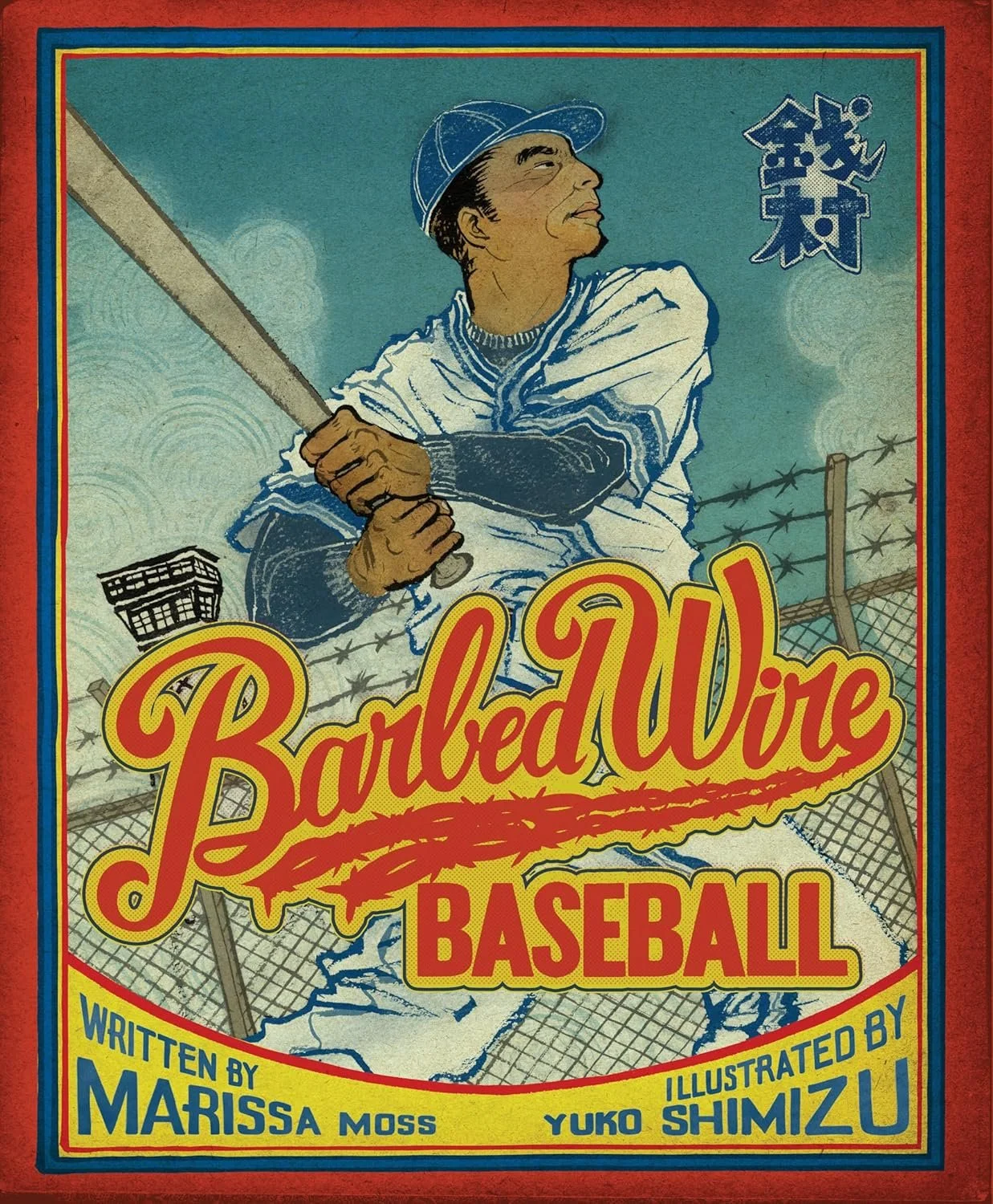
This true story follows Kenichi “Zeni” Zenimura, a Japanese American baseball player who was forced into incarceration camps during World War II after the Executive Order 9066. Despite losing his freedom, he built baseball fields inside the camps, helping create a sense of purpose and community. The book highlights both the injustice of incarceration and the resilience of those who endured it.
Recommended Questions:
What were the physical conditions of the incarceration camps, and how did they impact daily life?
What rights were denied to Japanese Americans during World War II?
How did the incarceration camps contradict democratic ideals such as freedom and equality?
What makes the incarceration of Japanese Americans an injustice?
How can laws or government actions be legal but still unjust?
What responsibilities does a government have to protect the rights of its citizens?
How can individuals or communities respond when their rights are taken away?
What does the creative use of limited resources—such as clearing land, marking fields, and building with available materials—reveal about human resilience and adaptability?
Why is it important to recognize and learn from injustices in history?
NCSS Theme 10: Civic Ideals and Practices
Barbed Wire Baseball highlights how the rights of Japanese Americans were violated when they were incarcerated during World War II, despite being U.S. citizens. The story shows a failure to uphold democratic ideals such as liberty and justice for all. It encourages students to reflect on the importance of protecting civil rights and how individuals and communities can respond when those rights are denied.
Social Justice Anchor Standard 15: History of injustice
This book highlights how Japanese Americans were treated unfairly because of their identity. It helps students recognize injustice and understand how laws and policies can violate civil rights. The story encourages critical thinking about fairness, accountability, and protecting the rights of all people.
WA Geography 2: Understands human interaction with the environment
Barbed Wire Baseball shows how Japanese Americans were forced to live in harsh, unfamiliar environments in incarceration camps with limited resources. Despite these conditions, Kenichi Zenimura and others creatively transformed the land into baseball fields—leveling uneven ground, clearing rocks, and using whatever materials were available to mark bases and boundaries. Their resourcefulness demonstrates how people adapt to and reshape their environment, turning spaces of confinement into places of community, purpose, and resilience.
