Ice Breaker
Book Summary:
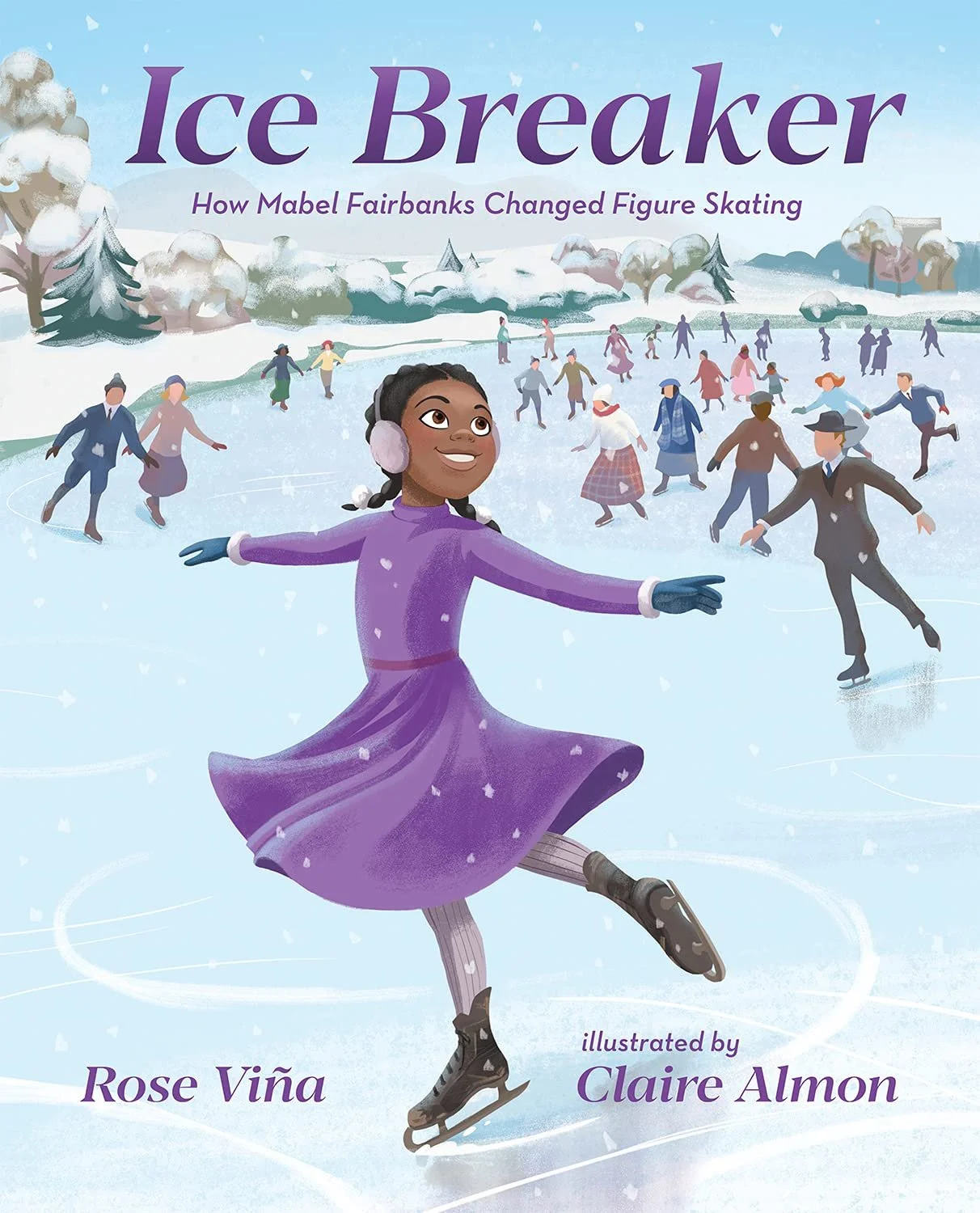
This biography tells the story of Mabel Fairbanks, a talented skater who was denied opportunities because of her race. Despite discrimination, she continued to ice skate and later became a coach who helped shape future champions and olympic athletes. Her legacy transformed figure skating by opening doors for more diverse athletes.
Recommended Questions:
Research the 1930s to better understand the historical context of the story. The book states, “Colored are not allowed,” reflecting a time when only white skaters were permitted on the ice. How does this example demonstrate injustice and the impact of segregation on people’s opportunities?
Why do you think Mabel continued pursuing skating despite the barriers she faced? What can we learn from her persistence and determination?
The book describes how top coaches recognized Mabel’s talent and supported her by teaching her jumps. In what other ways could they have supported her or advocated for greater inclusion in the sport?
While the Olympics allowed Black athletes to compete, skating clubs often did not. How does this contrast reveal systemic racism and unequal access to opportunities?
How is Mabel’s decision to become a coach a form of activism? In what ways did she create change for future skaters?
What qualities made Mabel a strong coach, leader, and advocate? Provide examples from the text.
How might Mabel’s presence on the ice have influenced other young skaters who looked like her?
What barriers are athletes breaking today, and why is this important for creating more equitable opportunities in sports and society?
NCSS Theme 1: Culture
This book explores how cultural norms and biases shaped who was allowed to participate in figure skating. Mabel Fairbanks challenged these expectations, helping shift the culture of the sport toward greater inclusion. It encourages students to examine how culture can both limit and expand opportunities.
Social Justice Anchor Standard 15: Historical injustice
Mabel’s story highlights how people were treated unfairly because of their identity. It helps students recognize injustice in access to opportunities and understand the importance of equity. The book encourages students to question unfair systems and consider how to create more inclusive spaces.
WA Civics 4: Understands civic involvement
Mabel Fairbanks demonstrated civic involvement by challenging exclusion and mentoring others. Although she faced discrimination, she contributed to her community by helping future skaters succeed. Her actions show how individuals can promote fairness and inclusion, even without formal power.
