This Day In June
Book Summary:
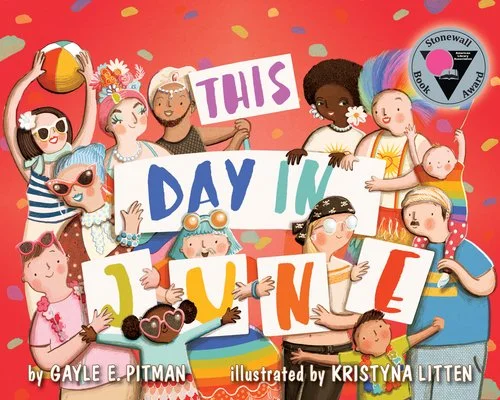
This Day in June joyfully captures the spirit and celebration of an LGBTQ+ Pride parade through vibrant illustrations and rhythmic, inclusive text. The book highlights the diversity of people, families, and identities within the LGBTQ+ community. It celebrates acceptance, love, and equality while offering a child-friendly introduction to the meaning and history behind Pride events. Please utilize the “Reading Guide” at the back of the learn/share contextualized information for the content on each page.
Recommended Questions:
What is being celebrated in This Day in June, and why is it important to the people in the story?
What did you learn about Pride and what it represents for the LGBTQ+ community?
What injustices or struggles does Pride recognize and celebrate overcoming?
What historical events or movements helped make Pride celebrations possible?
How does this book help us better understand the experiences and resilience of LGBTQ+ people throughout history?
Why is it important to include many perspectives and voices when learning about history?
How do you think Pride celebrations have changed over time, and what might they look like in the future?
Why is it important for everyone’s identity and history to be recognized and celebrated in our communities and schools?
How does celebrating Pride help us remember those who fought for equality and justice in the past?
Which image or illustration in the book helped you best understand the meaning and spirit of Pride celebrations? Why?
Standards:
NCSS Theme 1: Power, Authority and Governance
This story explores how communities express their identities, values, and traditions through public celebrations. The Pride parade serves as a cultural expression of inclusion, resilience, and the ongoing fight for equality. The book helps readers understand that cultural events can both honor shared identity and educate others about acceptance and respect.
Social Justice Anchor Standard 16: Speaking Up
This Day in June demonstrates how the LGBTQ+ community uses public celebration as a form of activism and visibility to challenge bias and promote equity. Through its joyful representation of diversity, the book helps children see how people stand together against discrimination and create spaces that honor everyone’s identity. It models inclusion and encourages respect for differences within a shared community.
WA History 3: Understands that there are multiple perspectives and interpretations of historical events
This book encourages students to explore Pride as both a joyful celebration and a reflection of historical struggles for LGBTQ+ rights. It introduces students to the idea that history includes many perspectives and that understanding events like Pride requires listening to voices that have often been marginalized. Through this lens, students can see how public celebrations can honor both progress and the ongoing pursuit of equality.
