Today on Election Day
Book Summary:
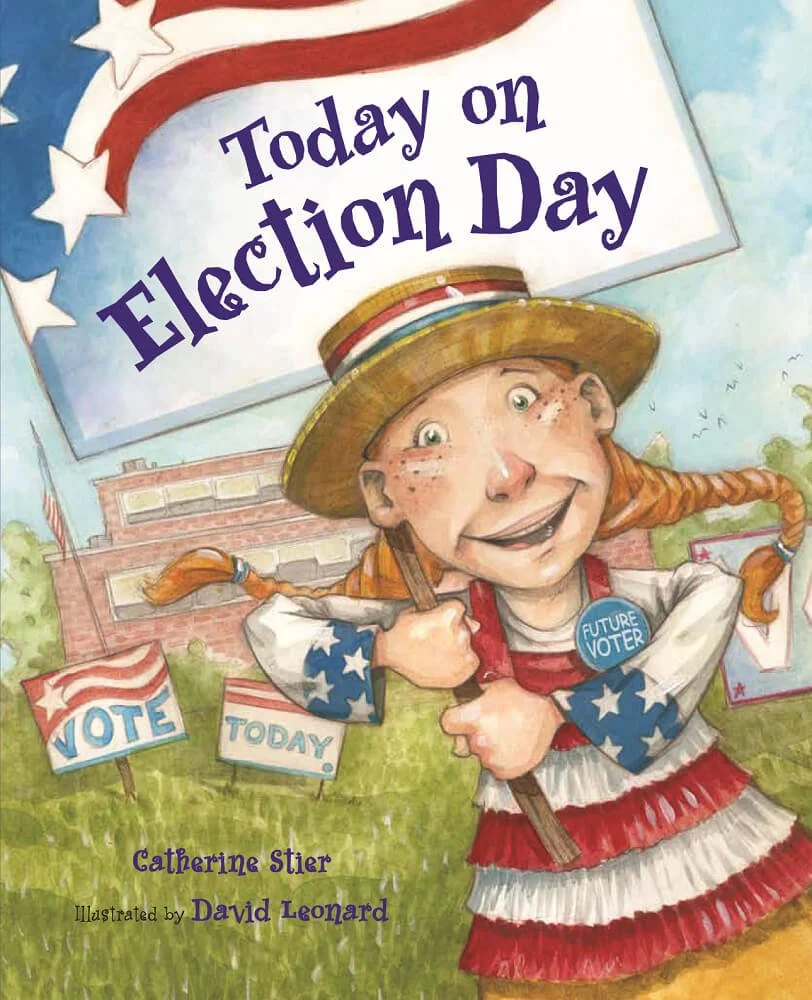
Today on Election Day takes readers through the excitement and importance of Election Day as children observe adults voting in their community. The book explains how the democratic voting process works and why every citizen’s voice matters. It celebrates civic participation and highlights the role of voting in shaping a fair and representative government.
Recommended Questions:
Why is voting important in a democracy? How does it help make sure everyone’s voice is heard?
Why do you think some groups, like women, were excluded from voting in the past?
What other groups in history have been excluded from voting, and what reasons were given for their exclusion?
What happens to a democratic voting process when some people are denied the right to vote?
If you were in a group excluded from voting, what actions might you take to advocate for change?
If you were in a group with voting rights and saw others being excluded, what could you do to support fairness and inclusion?
How do voting and civic participation help ensure equality and justice for all members of a community?
What laws or movements have helped expand voting rights over time (e.g., the Voting Rights Act, the 19th Amendment)?
What responsibilities come with the right to vote?
Standards:
NCSS Theme 6: Power, Authority and Governance
This book helps students understand how citizens influence government and decision-making through elections. It shows how power is distributed in a democracy and how voting is a peaceful way for people to express their opinions, shape laws, and hold leaders accountable. The book encourages children to see themselves as future participants in maintaining a fair and balanced system of government.
Social Justice Anchor Standard 16: Speaking Up
Today on Election Day aligns with Standard 16 because it invites students to explore who has been excluded from voting and why, encouraging them to recognize bias and inequity in history. The story encourages young readers to think about how individuals and communities have used their experiences to advocate for inclusion and equal rights in the democratic process. It empowers students to see that fairness requires noticing and challenging systems that silence certain voices.
WA Civics 4: Understands civic involvement
This book shows how citizens participate in the democratic process and take action to promote fairness and equality. Students learn that civic engagement—through voting, advocacy, or education—is essential for creating an inclusive and just society.
