Write to Me: Letter from Japanese American Children to the Librarian They Left Behind
Book Summary:
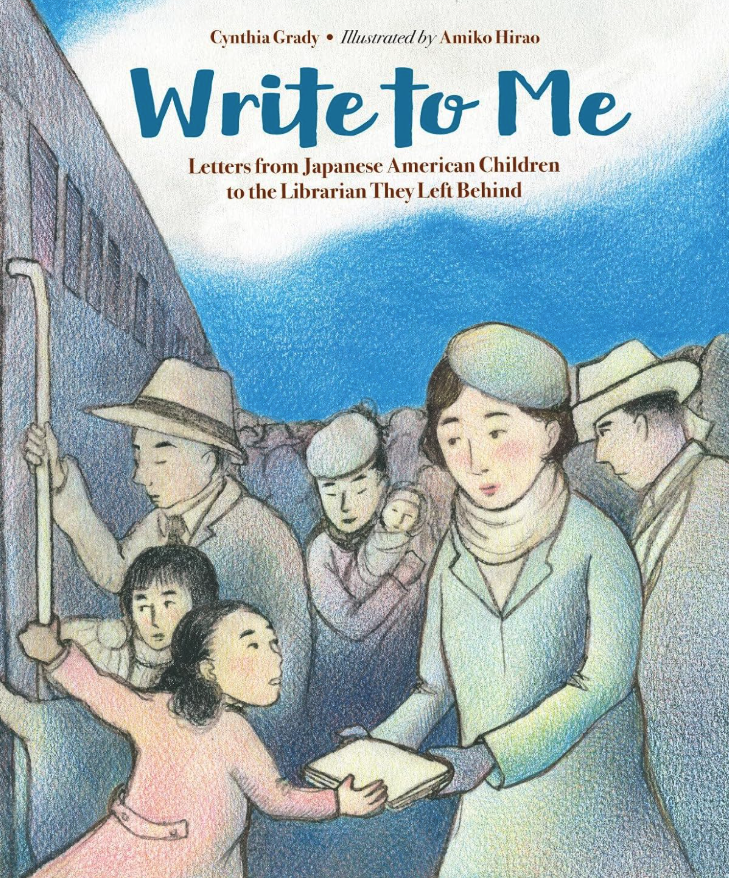
Write to Me: Letters from Japanese American Children tells the story of Clara Breed, a librarian who supported Japanese American children imprisoned in internment camps during World War II. Through the letters they wrote to her, readers see the children’s experiences, fears, and hopes, as well as the injustices they faced. The book highlights resilience, the importance of advocacy, and how one person’s actions can help amplify the voices of those affected by injustice.
Recommended Questions:
The Japanese American National Museum has an online collection of letters written to Clara Breed from young patrons incarcerated in internment camps, including Katherine Tasaki. You can read them here. What stands out to you in these letters?
How do the young authors of the letters to Ms. Breed demonstrate resilience in the face of injustice?
Why do you think the children chose to write to Ms. Breed? How did her role impact their lives?
How do these letters help us understand the injustices that occurred at World War II internment camps?
Which letter in this book stands out to you most, and why do you feel particularly drawn to it?
How do you think Ms. Breed felt when she received the letter you identified? Why?
If you were experiencing an injustice, who might you write a letter to or contact for help? Who might be able to support you?
The book says, “Ms. Breed wanted people across the country to know about the treatment of Japanese Americans on the West Coast. She wrote magazine articles. She wrote letters asking for a library and a school for the imprisoned children.” What details do you think she included? Who do you think she wrote to? Imagine you were writing about these events—who would you contact and what details would you include?
Later, the book states, “Miss Breed scoured newspapers, listened to the radio, and attended rallies to learn more.” What do you think she learned from these sources? What sources could you use to learn about current injustices?
How does learning about Ms. Breed and the children’s letters help us understand the importance of advocacy, empathy, and civic responsibility?
Standards:
NCSS Theme 2: Time, Continuity and Change
This book aligns with Theme 2 because it explores the experiences of Japanese American children during World War II internment camps, highlighting how historical events shaped their daily lives and communities. By reading the letters, students can see how individuals responded to injustice over time, connecting past events to ongoing issues of human rights and resilience.
Social Justice Anchor Standard 13: Examining Inequity
The letters show how Japanese American children were denied basic rights and opportunities solely because of their ancestry. This illustrates systemic inequities and encourages students to reflect on fairness, the importance of equal access to resources, and the role individuals can play in advocating for equity today.
WA History 3: Understand that there are multiple perspective and interpretations of historical events
The letters provide firsthand accounts of life in internment camps, showing how personal experiences and perspectives differ from broader historical narratives. Students analyze these voices to better understand historical events from multiple viewpoints and reflect on how these interpretations shape our understanding of justice and civil rights.
