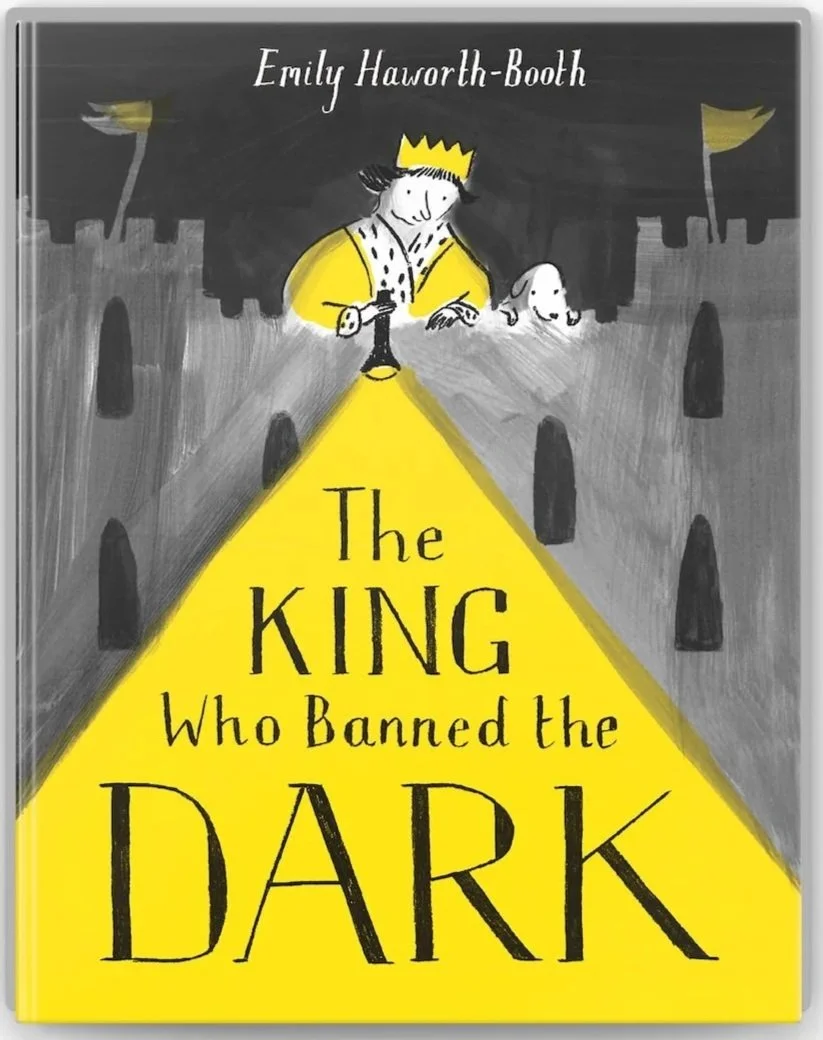
The King Who Banned the Dark
Book Summary:
The King Who Banned the Dark tells the story of a king who, fearing the dark, decides to banish it from his kingdom. At first, the bright, sunny days seem perfect, but soon the kingdom experiences imbalance and unrest because night and darkness are natural and necessary. Through this story, readers learn about the importance of accepting challenges, understanding balance, and respecting things that may seem frightening but have value.
Recommended Questions:
Why do you think the king wanted to ban the dark?
How did banning the dark affect the kingdom?
What does the story teach us about facing things that scare us?
Why do you think the kingdom needed both light and dark?
Can you think of a time you were afraid of something, but later realized it was important or helpful?
How do you think the king felt at the beginning of the story compared to the end?
If you were a character in the story, what advice would you give the king?
How do you think the townspeople organized to each turn their lights on? What does that show about the power of working together?
How should (and shouldn’t) leaders use their power?
Standards:
NCSS Theme 6: Power, Authority and Governance
This story invites students to think about how decisions made by those in authority affect others. The king’s choice to ban the dark mirrors how leaders’ fears or biases can shape rules and impact citizens. Discussing how power is used fairly or unfairly helps students understand the responsibilities that come with leadership and governance.
Social Justice Anchor Standard 7: Perspective Taking
The King Who Banned the Dark teaches this standard by showing how the king’s personal fear and misunderstanding of darkness lead to an unfair decision that affects everyone in the kingdom. His bias against the dark represents how fear or lack of understanding can create inequality and limit others’ freedom. As the story unfolds, the king and his people learn that darkness is not something to fear but an essential part of life. This helps students see the importance of questioning unfair rules, examining personal biases, and understanding that differences—like night and day—should be respected and valued rather than controlled or erased.
WA Social Studies Civics 4: Understands Civic Involvement
This book helps students explore how people respond to authority and participate in creating fair and balanced communities. When the king uses his power to ban the dark, his decision affects everyone, prompting the townspeople to organize and take action. Their response models civic engagement—showing that individuals and groups can work together to influence decisions, challenge unfair leadership, and promote the common good. Students learn that being part of a community includes the responsibility to question injustice and to act cooperatively for positive change.
