Drum Dream Girl
Book Summary:
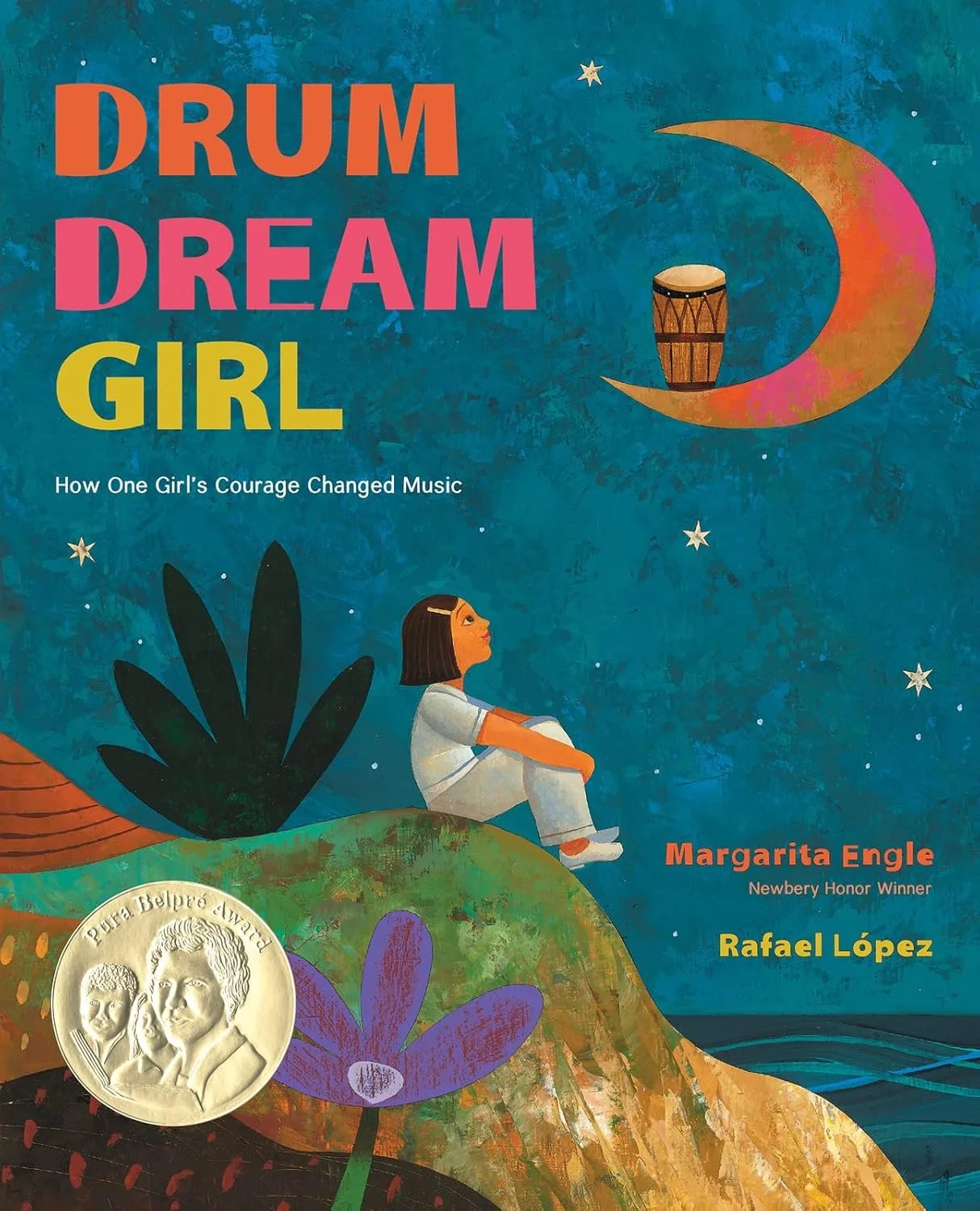
Drum Dream Girl is a poetic biography inspired by the true story of a Millo Castro Zaldarriaga a young Chinese-African-Cuban girl who dreams of playing the drums in a the early 1930 in Cuba when drumming is traditionally reserved for boys. Despite being told “no,” she practices in secret and perseveres until she is finally allowed to perform publicly. The story highlights courage, resilience, and the power of challenging unfair traditions.
Translation Links:
Recommended Questions:
The book describes the setting as “the island of music.” Where do you think the story takes place? What other clues in the story help you figure this out?
Why was it considered unacceptable for girls to play the drums in the girl’s community? Do you think this mindset might have existed—or still exists—in other communities?
How does the main character respond when she is told she cannot play the drums? What personal qualities help her keep going?
How does the girl’s success challenge gender roles, and how might it create opportunities for others in her community?
Why do you think her father changes his mind about letting her drum? Can you think of a time you changed your mind and are glad you did?
Can traditions change over time? What might cause people or societies to rethink long-standing beliefs or rules?
How can students respectfully challenge unfair rules or expectations in their own schools or communities?
Read the historical note at the end of the book to learn about Millito Castro Zaldarriaga and Anacaona, Cuba’s first all-girl dance band. Find one of their songs online. What do you notice about the rhythm of the drums, and why do you think people danced along?
The book cover shows the seal of the Pura Belpré Award. Research this award to learn more. Why is this award important, and what does it celebrate?
NCSS Theme 4: Individual Development and Identity
Drum Dream Girl shows how the main character develops confidence, perseverance, and a sense of self by pursuing her passion for drumming. The story highlights how societal institutions—like cultural traditions and gender norms—can limit opportunities, and how individuals can influence change within these groups. Students can explore how individuals express themselves and grow when they challenge limitations and honor their unique abilities.
Social Justice Anchor Standard 4: Healthy self-esteem
This books shows the girl’s growing confidence as she embraces her passion for drumming, even when others discourage her. Her success affirms that pursuing one’s identity and talents can coexist with respect for others and cultural traditions.
WA History 4: Understands how historical events inform analysis of contemporary issues and events
Drum Dream Girl connects to this standard by showing how cultural norms and gender restrictions in the past shaped opportunities for girls. Students can analyze how the girl’s courage to challenge these norms provides lessons for addressing gender equity and inclusion today.
