Between Us and Abuela
Book Summary:
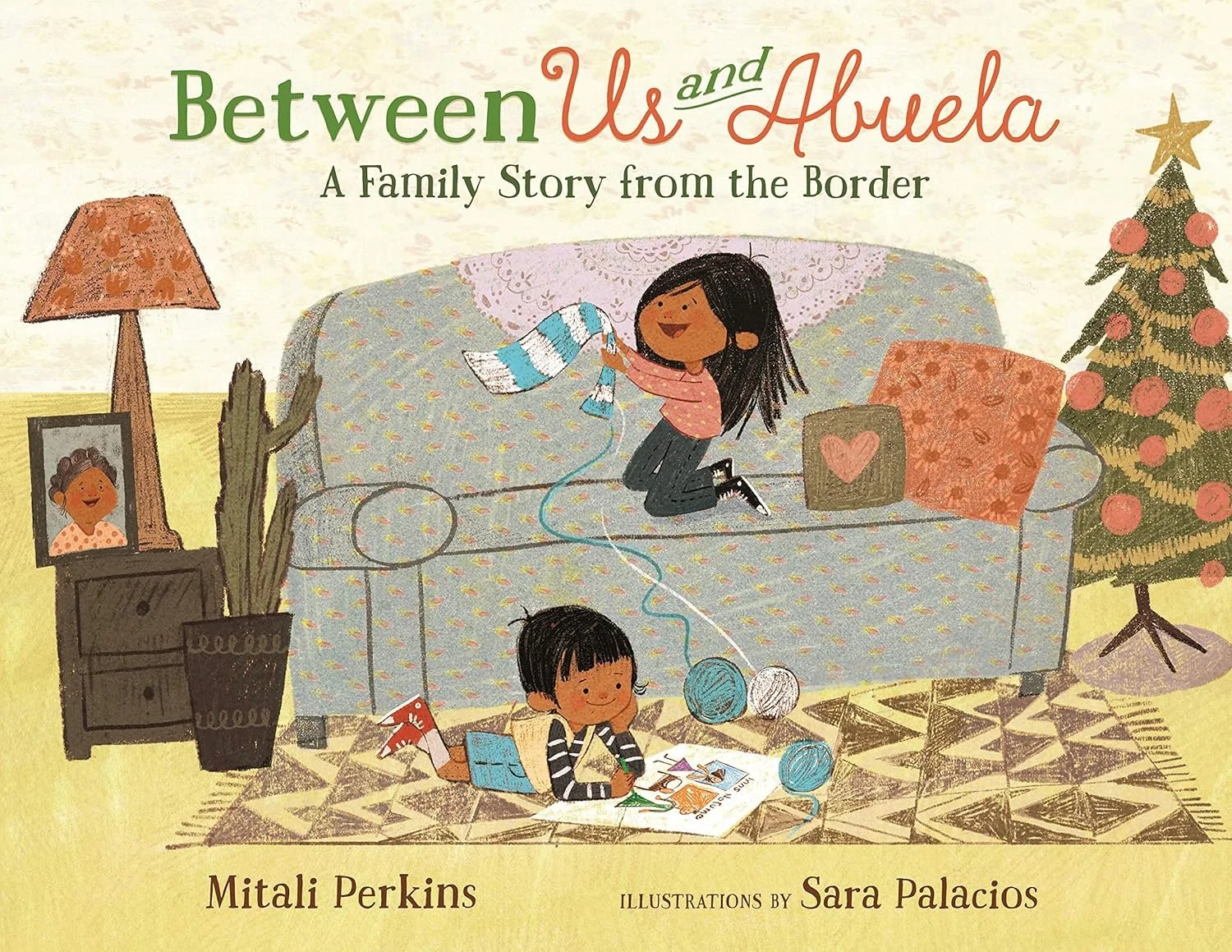
Between Us and Abuela tells the story of a young girl and her family who travel to the U.S.–Mexico border to see their grandmother, who cannot cross into the United States. Although a border fence separates them, the family finds creative and loving ways to connect, share stories, and maintain their bond. The book highlights the emotional impact of immigration policies on families while emphasizing resilience, love, and connection.
Recommended Questions:
Read the author’s note at the end of the book to learn more about Las Posadas, La Posada Sin Fronteras, and the founder of the event, Pedro Rios. Then research the organization Friends of Friendship Park (link to site). What did you learn about the purpose of these events and organizations, and why are they important to families separated by the border?
What is the geographic significance of Border Field State Park in San Diego? Locate it on a map and examine images that show the natural landscape, the physical border structures, and the people who gather there. How do these elements interact in this place?
On page four, the family can see a lighthouse on the Mexican side of the border. Research which lighthouse this might be. Where is it located, and why might it be meaningful to include this detail in the story?
Why do you think borders exist, and what purposes do they serve?
While singing and visiting with her grandmother, the narrator says, “for a moment the fences are invisible.” What do you think this means?
Why do you think one border patrol officer initially says no to flying the picture over the fence, while another finds a way to allow it? How can societies balance following rules with showing compassion and helping others?
Why is it especially important for border patrol agents and other government officials to treat everyone with respect and dignity?
What can communities do to show empathy and support for families affected by immigration laws?
NCSS Theme 3: People, Places and Environments
Between Us and Abuela shows how geographic and political boundaries shape people’s experiences and relationships. The border fence represents a physical environment created by human decisions, and the story illustrates how people adapt to and interact with that environment to maintain family connections. Through this lens, students explore how place and space influence identity, movement, and human interaction.
Social Justice Anchor Standard 7: Similar and different
The book helps students recognize shared human experiences—such as love for family—while also understanding the unique challenges faced by families separated by borders. It fosters empathy and respect by humanizing immigrants through a personal, family-centered story.
WA Geography 3: Understands the geographic context of global issues and events
Between Us and Abuela illustrates how the U.S.–Mexico border shapes the lives and relationships of families. The story helps students understand immigration as a global issue influenced by geographic boundaries, movement of people, and human-made borders. It encourages students to consider how place and location affect access, connection, and daily life.
