Day the River Caught Fire
Book Summary:
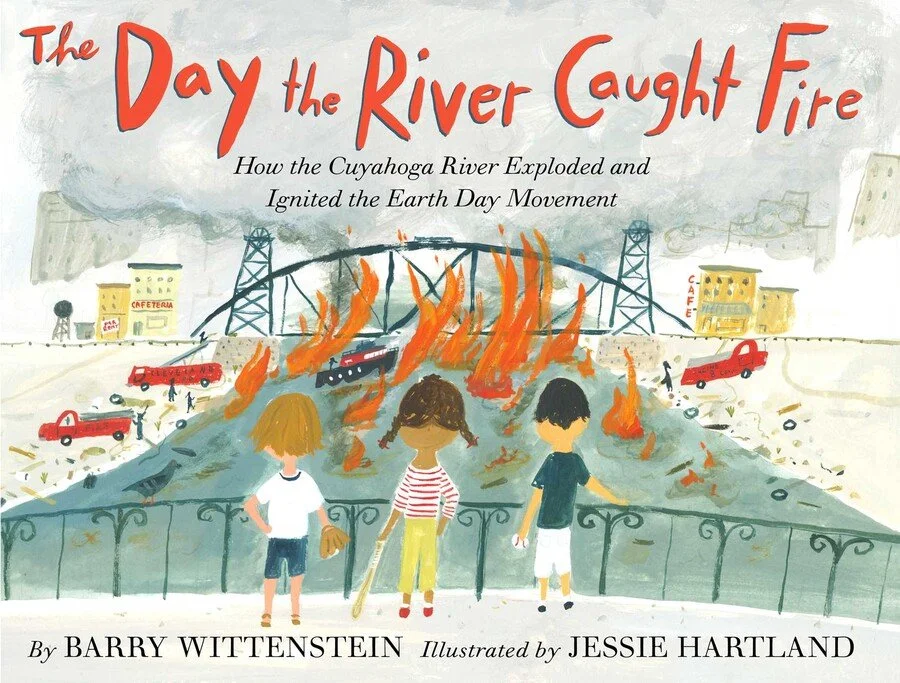
The Day the River Caught Fire tells the true story of the Cuyahoga River in Cleveland, Ohio, and the 1969 fire that helped ignite the modern environmental movement. After decades of industrial pollution turned the river into a toxic mixture of oil, chemicals, sewage, and other waste, the river caught fire again in June 1969. The event drew national attention and, along with growing environmental activism, contributed to the creation of the Environmental Protection Agency, the Clean Air and Clean Water Acts, and the first Earth Day in 1970.
The book also highlights Carl Stokes, Cleveland's mayor and one of the first Black mayors of a major U.S. city, and the residents and activists who pushed for change. The story provides a powerful example of how an environmental problem in one community can lead to broader civic action and national change
Recommended Questions:
How did industrialization change the Cuyahoga River and the community around it?
Before the 1960s, many cities viewed river pollution as a normal sign of industry and economic growth. Why do you think communities were willing to tolerate polluted water in exchange for factory jobs? How did people's priorities shift over time?
The Cuyahoga River caught fire at least 13 times before the famous 1969 fire, but earlier fires were mostly ignored. Why did national news coverage in 1969 suddenly spark public outrage when previous, larger fires did not? What role does media attention play in starting social movements?
What role did Carl Stokes and other community members play in drawing attention to the pollution problem?
Why might businesses, governments, and community members have different perspectives about how to address pollution?
In the years following the fire, the U.S. government passed the Clean Water Act. Why are federal laws sometimes needed to solve environmental problems instead of letting each city or state handle them individually?
How can one local environmental problem become a national issue?
The book shows that the river was once clean enough for people to fish and swim in it. What does the comparison between the past, 1969, and today help us understand about environmental change?
Today, the Cuyahoga River is clean enough for fish to return and people to go kayaking. What does this recovery teach us about the relationship between human societies and the environment? Can damaged ecosystems always be repaired?
What environmental issue in your community deserves greater attention? What evidence would you need to persuade others that action is needed?
NCSS Theme 3: People, Places and Environments
This book shows how human activity can transform the natural environment and how environmental changes, in turn, affect communities. Students can examine how industrial development changed the Cuyahoga River from a place where people could fish and swim into a heavily polluted waterway and how community action eventually helped restore it. The book also encourages students to consider how the environmental decisions made by one generation can affect the people and places that come after them.
Social Justice Anchor Standard 20: Collective Action
The Day the River Caught Fire connects demonstrates how individuals and communities can work together to address environmental injustice and create lasting change. The pollution of the Cuyahoga River led community members, activists, and civic leaders to demand action, contributing to new environmental protections and inspiring broader environmental activism. The story provides an opportunity for students to consider how collective civic action can influence laws, public policy, and community practices and how local action can inspire movements that extend far beyond one community, including the annual observance of Earth Day around the world.
WA Geography 2: Human Interactions with the Environment
The Day the River Caught Fire shows how human activity can transform the natural environment and how environmental changes, in turn, affect communities. Students can examine how industrial development changed the Cuyahoga River from a place where people could fish and swim into a heavily polluted waterway and how community action eventually helped restore it. The book also encourages students to consider how the environmental decisions made by one generation can affect the people and places that come after them.
Links to Related Primary and Secondary Resources
National Parks Service Information about:
