Sí, Se Puede
Book Summary:
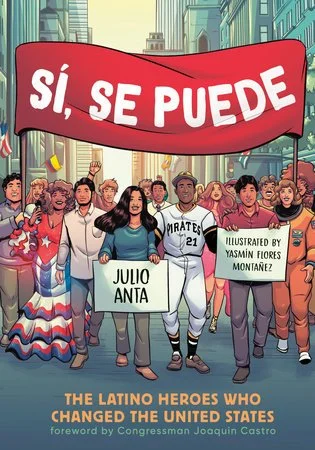
Sí, Se Puede: Latino Heroes Who Changed the United States is a graphic novel that highlights the diverse contributions of Latino people throughout U.S. history. The book features individuals from a wide range of fields and experiences, including Latine soldiers who served during the Civil War, baseball legend Roberto Clemente, scientist Mario Molina, scientist Mercedes de la Cubría, entertainer Desi Arnaz, and Supreme Court Justice Sonia Sotomayor. Through their stories, readers explore how Latine people have contributed to the United States through military service, science, sports, entertainment, government, activism, and civic leadership.
Recommended Questions:
What did the Latino heroes in the book contribute to the United States? Which contribution do you think had the greatest impact? Why?
What barriers or challenges did some of these individuals face? How did they respond to those challenges?
Why might the contributions of some Latino Americans have received less attention in traditional accounts of U.S. history?
How does learning these stories change or expand your understanding of who has helped shape U.S. history?
Many of the people featured in the book took action to improve their communities. What motivated them to act?
How did the actions of these individuals create opportunities for people who came after them?
What connections can you make between the challenges faced by people in the book and issues that communities discuss today?
If you could add another Latino hero to the book, who would you choose and what would you want others to learn about their contributions?
Create a map showing all the countries and regions represented in the book. What does the map reveal about the diverse geographic and cultural roots of Latine communities and their connections to the United States?
NCSS Theme 9: Global Connections
The book also helps students recognize that Latine culture is not a single culture but reflects connections to many different countries, regions, histories, and traditions throughout Latin America and the Caribbean. By highlighting these connections, the book demonstrates that U.S. history is part of a broader global history and that the United States is strengthened by the people, cultures, knowledge, and experiences that connect it to communities around the world.
Social Justice Anchor Standard 15: People and Groups relevant to the history of social justice around the world
The book provides opportunities for students to examine how individuals responded to discrimination and unequal opportunities and worked to create change. By learning about Latine people who challenged barriers and contributed to their communities, students can consider how historical struggles for justice continue to shape opportunities and responsibilities today.
WA Civics 4: Civic participation
Latino Heroes Who Changed the United States highlights how individuals can participate in civic life and contribute to their communities and country. Through the experiences of the various Latine people included in the book, students can examine different forms of civic participation, including military service, activism, community leadership, public service, and advocacy for others. The book demonstrates that civic participation takes many forms and that individuals can use their skills, experiences, and positions to strengthen their communities and contribute to positive change in the United States.
