The Next President
Book Summary:
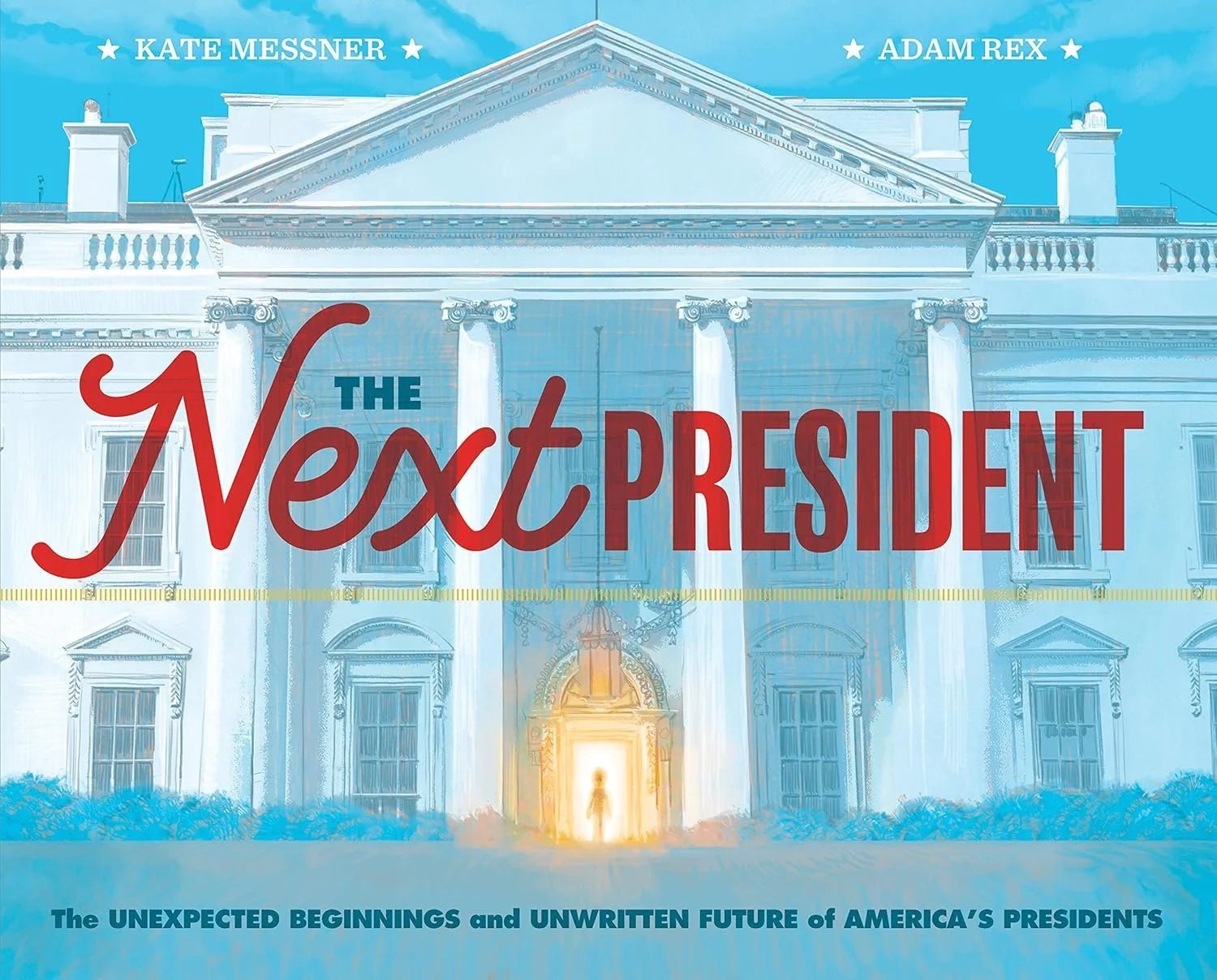
The book explores the lives of U.S. leaders before they took office, highlighting that future presidents are always alive and living ordinary lives somewhere in the country. The book journeys through history from George Washington to the present, revealing what future commanders-in-chief were doing—such as studying medicine, learning the saxophone, or doing farm chores—while their predecessors served. It concludes by encouraging young readers to realize that the next president might be someone just like them, currently "listening, learning, and getting ready to lead".
Recommended Questions:
What surprised you most about the childhoods of the presidents featured in the book?
The book points out that while one president is serving, several future presidents are often alive, growing up as ordinary children. How does this idea change the way you think about presidents and leadership?
The book outlines that many presidents had a wide range of jobs before entering politics. Which experiences or careers do you think best prepare someone to be president? Explain your reasoning.
The Constitution lists only three requirements to become president: age, birthplace, and residency. Based on the "firsts" highlighted in the book, what unwritten barriers have prevented some groups of people from becoming president throughout American history?
Look closely at Adam Rex's illustrations of children visiting the presidential portraits at the end of the book. Why is it important that the illustrator chose to show children from many different backgrounds?
The book notes that Thomas Jefferson wrote that "all men are created equal" while enslaving other human beings. How can people or societies aspire to certain values while failing to live up to them? What can we learn from this contradiction?
How does studying the lives of past presidents help us understand both the progress America has made and the challenges that still remain?
The final pages suggest that the next president could be anyone—even the reader. What message do you think the author wants young people to take away from that idea?
Why do you think the author points out that many of the earliest presidents shared similar backgrounds and identities?
If you were the next president, what is one change you would want to make in your community or the country, and why?
NCSS Theme 2: Time, Continuity and Change
This book helps students understand how individuals, events, and leadership are connected across time. By showing that future presidents were once ordinary children living their daily lives while earlier presidents were serving in office, the book illustrates continuity in American leadership and the ways the past influences the future. It encourages readers to locate themselves within the broader flow of history and recognize that today's children—including themselves—are helping shape the next chapter of the American story. The book highlights how leadership develops over time and how each generation builds upon the experiences and achievements of those who came before it.
Social Justice Anchor Standard 12: Systemic Injustice
The book explicitly addresses the systemic lack of diversity in U.S. history. Messner notes that for most of American history, the presidency was limited to wealthy, white, Protestant men. By pointing out that Thomas Jefferson authored "all men are created equal" while enslaving people, the book helps students identify institutional contradictions and historic injustices.
WA History 1: Understands historical chronology
This book helps students place presidents within a chronological timeline and understand how leadership changes over time. The book shows that while one president was serving in office, future presidents were growing up, attending school, and experiencing the events of their era. By connecting the childhoods of presidents to the periods in which they later led the nation, students develop a stronger understanding of chronology and recognize how the past, present, and future are linked through the lives of individuals and historical events.
