The Blue Pick Up
Book Summary:
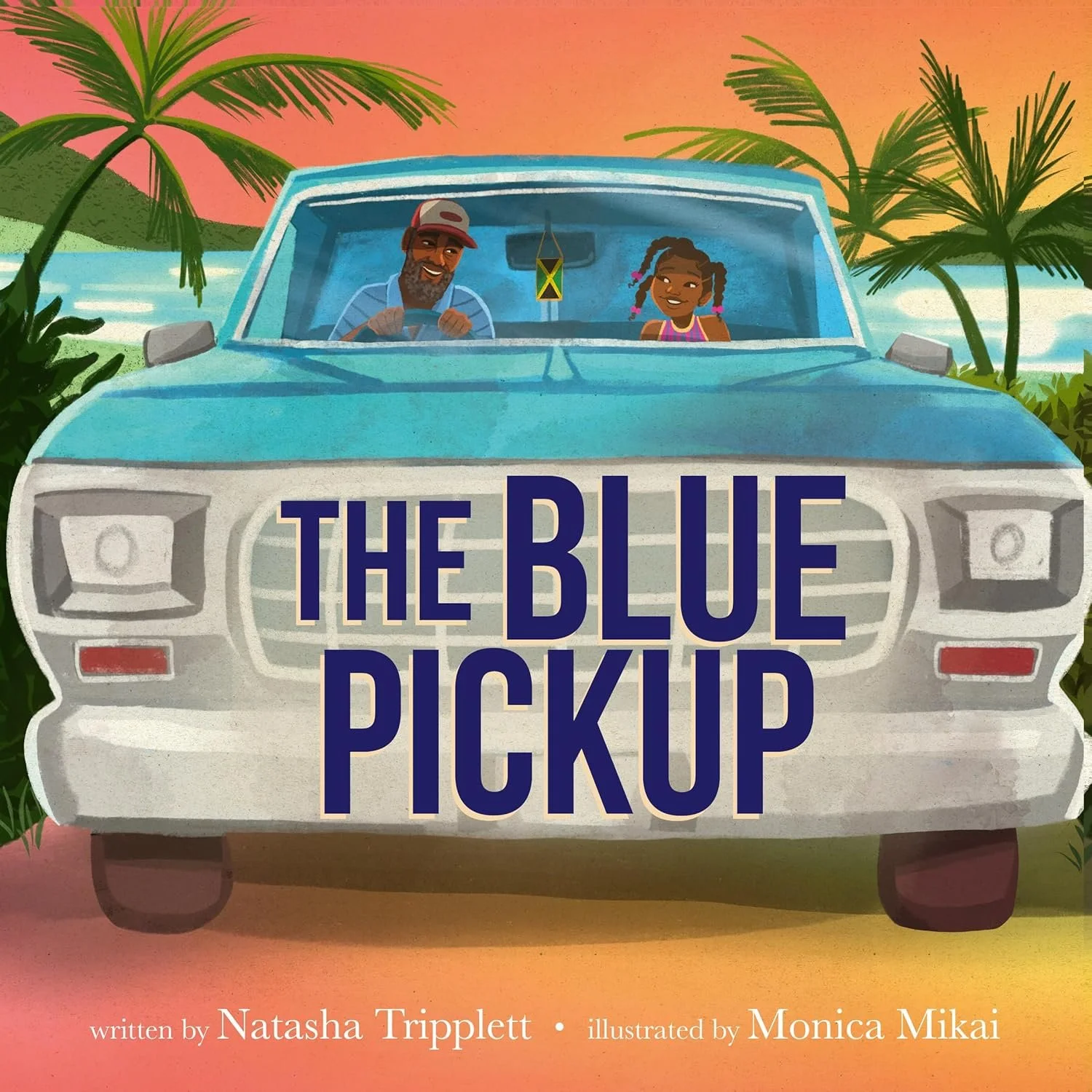
The Blue Pickup follows Ju-Girl, who loves spending time in her grandfather’s garage learning how to repair cars and listening to stories about his beloved blue pickup truck. As they work together to restore the old truck, Ju-Girl discovers that preserving the past is about more than fixing machines—it is also about honoring memories, family history, and community connections. Paired with vibrant illustrations that capture the colors, landscapes, and culture of Jamaica, the story celebrates the special bond between generations and the importance of caring for things that matter.
Recommended Questions:
Why did Granddad believe the Blue Pickup was worth repairing instead of replacing?
Granddad says it is important to take care of "old and forgotten things." What do you think he means? What kinds of things—besides objects—might be worth preserving?
Ju-Girl learns about her family's past through Granddad's stories as they work together. Why is storytelling an important way to preserve history and culture?
How does learning mechanical skills and hearing stories about her family's history in Jamaica help Ju-Girl develop a stronger sense of identity and belonging?
Granddad calls the Blue Pickup a "treasured memory." What objects, traditions, or family stories help tell the story of where you come from or your cultural heritage?
As Ju-Girl and Granddad drive through their parish in the restored truck, he points out places that have changed over time. How can buildings, landmarks, and neighborhoods help tell the story of a community and its people?
What can family stories teach us about history that we might not learn from textbooks?
In the author's note, Natasha Tripplett explains that the story was inspired by her own grandfather and that she eventually inherited the real Blue Pickup. How does knowing this deepen your understanding of the story and its themes of memory, family, and legacy?
Why do you think the author chose to share her family's connection to the Blue Pickup? How does this information affect the way you think about the truck's importance in the story?
NCSS Theme 3: People, Places and Environments
The book helps students explore how people develop connections to places and how those places shape their memories, identities, and experiences. Through Granddad’s stories and the illustrations of Jamaica, readers learn how geography, culture, and community become part of a family's history. The story demonstrates that places are more than locations on a map—they are filled with stories, relationships, and meaning
Social Justice Anchor Standard 5: Identity and culture
Ju-Girl develops a strong sense of identity through her relationship with her grandfather, her community, and her Jamaican heritage. By learning mechanical skills, listening to family stories, and participating in traditions, she gains a deeper understanding of who she is and where she comes from. The story highlights how family, culture, and community shape identity and help young people feel connected to their roots.
WA Economics 1: Wants vs needs and evaluating outcomes
The story explores decisions about preserving, repairing, and caring for things that have value. Granddad and Ju-Girl choose to invest time and effort in restoring the truck, demonstrating how choices reflect values and priorities.
