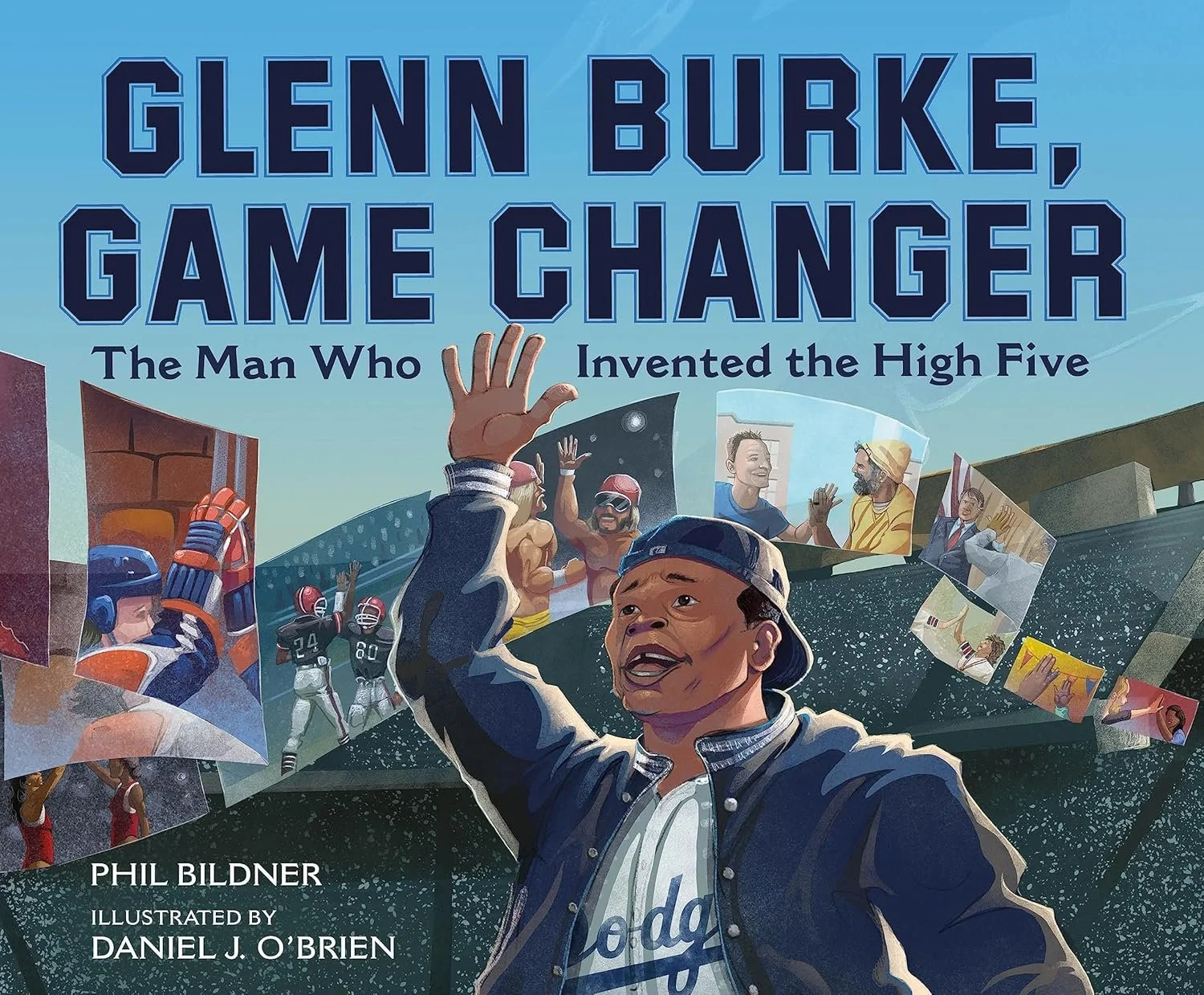
Glenn Burke, Game Changer
Book Summary:
This biography tells the story of Glenn Burke, a talented Major League Baseball player best known for popularizing the high five. As one of the first openly gay professional athletes, Burke faced discrimination and pressure to hide his identity while pursuing his baseball career. The book highlights his athletic achievements, his commitment to being true to himself, and his lasting impact on both sports and culture.
Recommended Questions:
Why was it unfair that Glenn Burke was pressured to hide an important part of his identity?
Glenn was recognized for his athletic talent, yet he was often judged for something unrelated to his ability to play baseball. Why is this unfair?
What is the difference between individual bias and institutional discrimination? What examples of each can you find in Glenn Burke’s story?
How might Glenn’s career have been different if he had played in a more accepting era?
The high five is a symbol of joy, connection, and celebration. Why do you think it became such a powerful gesture?
Why is it significant that this symbol of connection and celebration was popularized by someone who often experienced exclusion and unfair treatment?
How did Glenn Burke’s story “change the game” for future generations of LGBTQ+ athletes?
How does Glenn Burke’s story help us understand the progress that has been made—and the challenges that still remain—in creating more inclusive communities?
NCSS Theme 4: Individual Development and Identity
This book explores how personal identity is shaped by culture, peers, and institutional influences. The book highlights Glenn Burke's journey as a Black, gay man in the 1970s, illustrating how he navigated his authentic self within the rigid, often homophobic environment of Major League Baseball. Ultimately, the story demonstrates how an individual’s bravery in embracing their identity can influence society, as seen through Burke's invention of the high five and his role in paving the way for future LGBTQ+ athletes
Social Justice Anchor Standard 12: Individual and Systemic Injustice
The story helps students recognize how prejudice and discrimination can affect people's opportunities and well-being. Although Glenn Burke was an exceptional athlete, he faced unfair treatment and pressure because of his identity. By examining both the individual bias and institutional barriers he encountered in professional sports, students can explore how unfair systems can limit opportunities and why it is important to create communities where everyone is treated with dignity, respect, and fairness.
WA History 4: Understands how historical events inform analysis of contemporary issues and events
This book helps students examine how the social attitudes and institutional discrimination of the 1970s shaped the experiences of Glenn Burke and other LGBTQ+ athletes. Through Burke’s story, students can explore how prejudice within professional sports limited opportunities for talented individuals and reflected broader patterns of inequality in society. By analyzing his legacy and the barriers he faced, students can evaluate how past injustices continue to influence contemporary conversations about inclusion, representation, and civil rights in athletics today.
Links to Related Primary and Secondary Resources
Interview of Glenn Burke
Video of the history of the Gay Games
