The Gift of Eid
Book Summary:
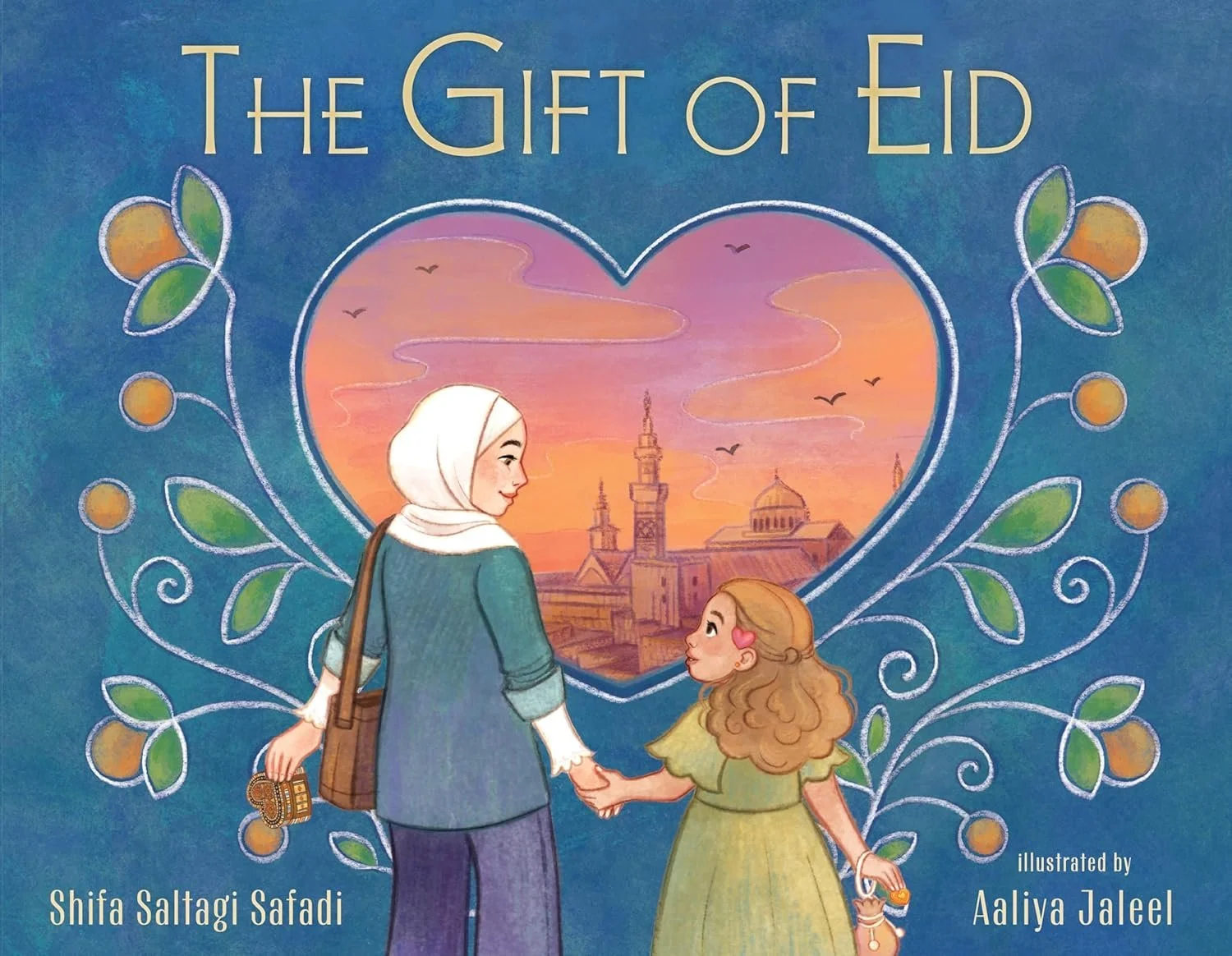
Set in the bustling Souq al-Hamidiyeh and the historic Umayyad Mosque in Damascus, this story follows a Muslim family celebrating Eid, a holiday centered on prayer, gratitude, generosity, and gathering with loved ones. With her father away, Yasmine worries that she does not have enough money to buy her mother a meaningful Eid gift, but through sacrifice and love, both mother and daughter discover that the true joy of Eid comes from being together. The book highlights generosity, gratitude, family connection, and the importance of community during times of celebration and hardship.
Recommended Questions:
The story takes place in Damascus, Syria. How do specific landmarks like the Umayyad Masjid or the Souq al-Hamidiyeh help us understand the setting and the way the characters celebrate Eid al-Adha?
While the desire to give gifts is universal, how are the traditions in this book specific to Muslim and Syrian culture? What symbols or customs did you notice that might be different from holidays you celebrate?
What traditions and values connected to Eid are shown throughout the story?
Why were Yasmine and her mother each willing to sacrifice something important for the other?
What does this story teach us about gratitude, love, and community support?
In the author’s note, Shifa Saltagi Safadi explains that The Gift of Eid was inspired by reading The Gift of the Magi more than 20 years earlier. How does this demonstrate the lasting power of stories? What story do you think you might still remember 20 years from now, and why?
Read The Gift of Magi then compare it with The Gift of Eid. How do these two stories, set in different cultures and traditions, reflect the same central message while also providing readers with windows into different cultural experiences?
NCSS Theme 1: Culture
This book immerses readers in the traditions, values, and settings connected to Eid al-Adha in Damascus, including communal prayer at the historic Umayyad Mosque. Through family customs, gift-giving, prayer, and acts of generosity, the story shows how cultural and religious traditions help shape identity, relationships, and community life. The book emphasizes that the heart of Eid is not material wealth, but the values of sacrifice, gratitude, generosity, and togetherness passed down through generations, ultimately showing that the greatest “gift” is family connection and shared love.
Social Justice Anchor Standard 3: Complex identities
This book portrays Yasmine’s Syrian Muslim identity with joy and authenticity, centering her family’s traditions as a source of pride. The story highlights how her cultural heritage and personal values of generosity shape who she is, showing that her identity is defined by her heart rather than her material belongings.
WA Economics 1: Wants, needs and outcomes of choices
The Gift of Eid highlights how people make difficult choices based on their needs, values, and available resources. Because Yasmine and her mother have limited money while Baba is away, they each sacrifice something important in order to buy a meaningful gift for the other. The story encourages students to consider how acts of generosity and sacrifice can strengthen relationships and create a sense of love, gratitude, and connection that is more meaningful than material wealth.
