Do You Know Them?
Book Summary:
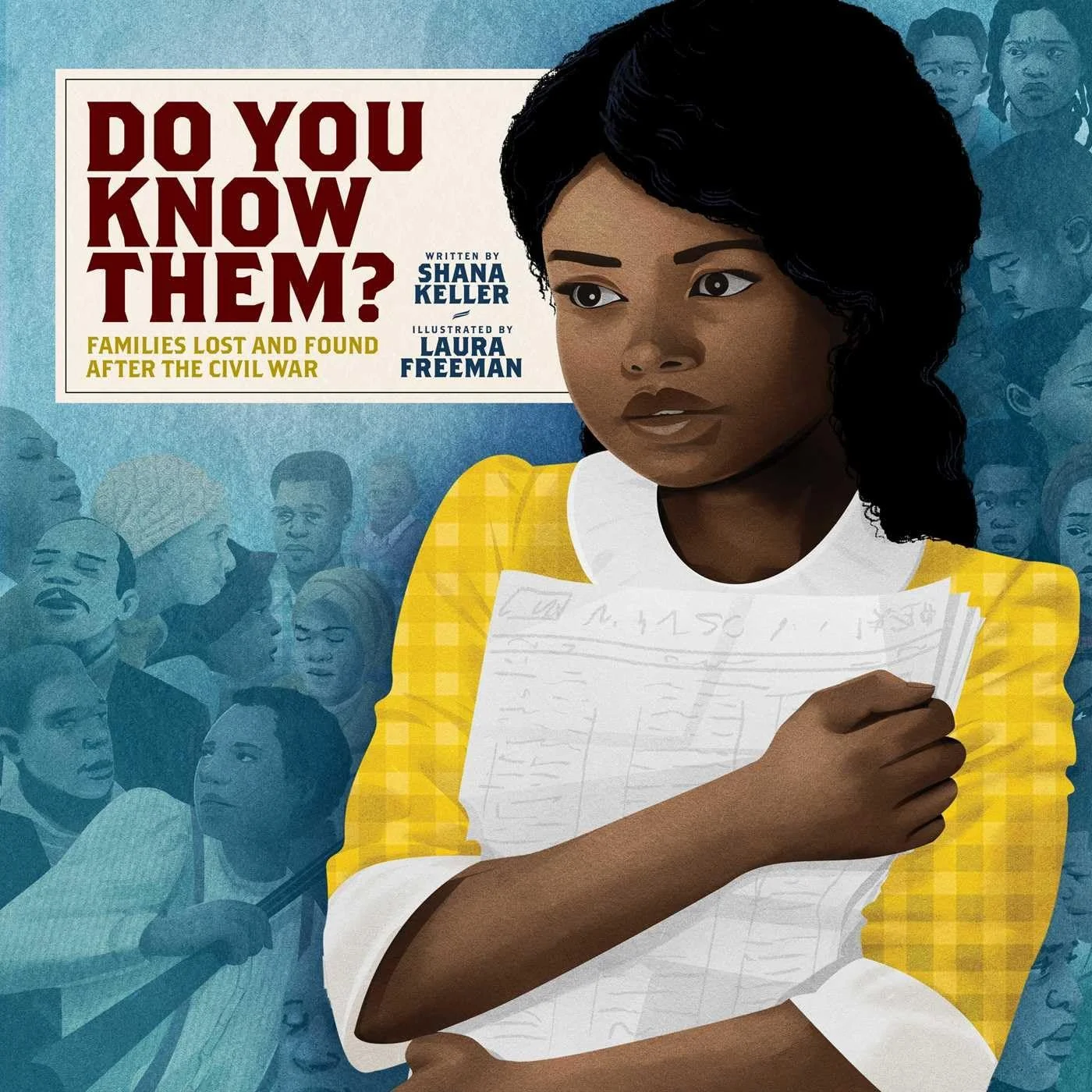
Do You Know Them? Families Lost and Found After the Civil War tells the true story of formerly enslaved people searching for loved ones from whom they were separated by slavery. After the Civil War, families placed newspaper advertisements and relied on community networks in hopes of reconnecting. The book highlights the pain of separation, the power of hope, and the determination to rebuild family and identity during Reconstruction.
Recommended Questions:
Why were so many families separated during slavery and the Civil War?
How could the government have assisted families in reuniting during the Reconstruction era?
How does Lettie use her literacy skills to help others, and why is literacy an important tool for empowerment?
What role did newspapers play in helping families reconnect? Why is access to news and information important in a society?
The author’s note explains that “every ad in this story is real.” Why do you think the author chose to include real advertisements? How does this choice affect your understanding of and connection to the book?
What economic choices did formerly enslaved people have to make as they searched for family members (for example, choosing between work, travel, or placing advertisements)?
Why might reunifying with family have been considered a need rather than a want? How does this help us understand economic decision-making after emancipation?
How does this book change or expand what you knew about the Civil War and Reconstruction?
What rights and freedoms were formerly enslaved people seeking beyond legal freedom?
How does this story help us understand the lasting effects of slavery ?
NCSS Theme 10: Civic Ideals and Practices
El libro aborda directamente ideales democráticos como la justicia, la participación y la responsabilidad. Al mostrar cómo la votación puede verse influida por el egoísmo y el poder desigual, la historia ayuda a los estudiantes a analizar qué hace que las prácticas cívicas sean justas o injustas. Además, fomenta el pensamiento crítico sobre el funcionamiento de la democracia y la importancia de una participación ética.
Social Justice Anchor Standard 12: Systemic Injustice
The book exposes the systemic injustice of slavery that caused families to be separated and left searching for one another even after freedom was declared. Students are encouraged to recognize how laws and systems created long-lasting harm. The story helps readers identify injustice and understand why repair and justice matter.
WA Economics 1: Understands people make economic decision and evaluate the outcomes of those choices
The book illustrates how formerly enslaved people faced difficult economic choices after the Civil War, often prioritizing the need to reunite with family over immediate financial stability or safety. Placing newspaper advertisements, traveling long distances, and dedicating time and limited resources to searching for loved ones required weighing urgent needs against long-term hopes. Through these stories, students see how economic decisions are shaped by freedom, scarcity, and deeply human needs such as family and belonging.
