Barrio Rising
Book Summary:
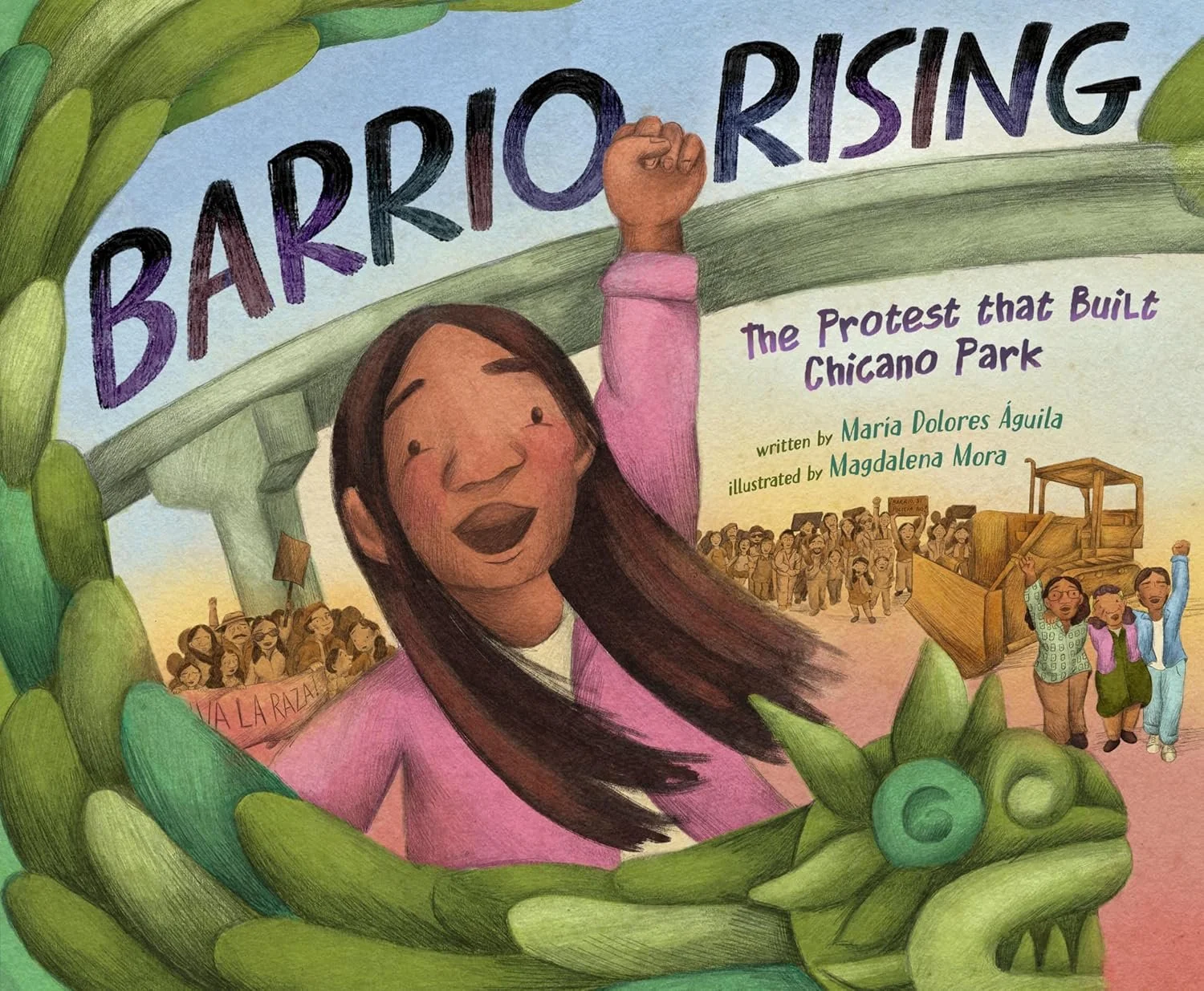
Barrio Rising tells the story of how residents of Logan Heights in San Diego organized in 1970 to protest the construction of a highway patrol station on land they had long hoped would become a community park. When bulldozers arrived, community members peacefully occupied the site, demanding the space be returned to the neighborhood. Their activism led to the creation of Chicano Park, now known for its vibrant murals celebrating Chicano culture, history, and resistance.
Recommended Questions:
Why did the community want a park? How can public parks strengthen community relationships and well-being?
How should cities decide where to place parks and public spaces? What factors should be considered to ensure fairness and equity?
What strategies did community members use to make their voices heard? Why were these strategies effective?
Why is public space important to cultural identity and community well-being?
What risks did protesters take by occupying the land? Why might they have believed those risks were worth taking?
Why do you think people from other communities came to support the creation of Chicano Park? What does this suggest about solidarity and collective action?
Research and examine images of the real Chicano Park. How do the actual murals compare to the illustrations in the book? In what ways do the murals serve as historical and political expression?
Near the end of the book, one mural includes the phrase “Hasta la Bahía” (“All the way to the bay”). What message do you think the muralist is conveying? How does this connect to the overall purpose of the protest story?
Research the annual celebration held on April 22, Día del Parque Chicano. Why is this celebration significant, and what does it reveal about community memory and cultural pride?
NCSS Theme 6: Power, Governance and Authority
Barrio Rising explores how government decisions about land use directly affected the Logan Heights community. For years, this predominantly Mexican American neighborhood had been marginalized through freeway construction and urban development projects that displaced residents and reduced access to public space. The book highlights that while governments hold authority to make policy decisions, they also have a responsibility to serve and respond to their constituents. When community members organized and protested, they were asserting their rights within a democratic system and reminding officials of their obligation to represent and protect the needs of the people they govern.
Social Justice Anchor Standard 20: Collective Action
This book shows community members organizing, protesting, and negotiating to address injustice. Their peaceful occupation of the land was a strategic action aimed at protecting community rights and cultural identity. Students can analyze how collective action can lead to tangible change and consider what makes activism effective.
WA Civics 4: Understands civic involvement
The events in Barrio Rising exemplify how organized community activism can influence public policy decisions. Residents of Logan Heights mobilized to demand equitable treatment and community control over public space, ultimately shaping the outcome of local government action. Students can examine how grassroots movements contribute to democratic processes and policy change.
Links to Related Primary and Secondary Sources
Video of interview with the author
