Swinging into History
Book Summary:
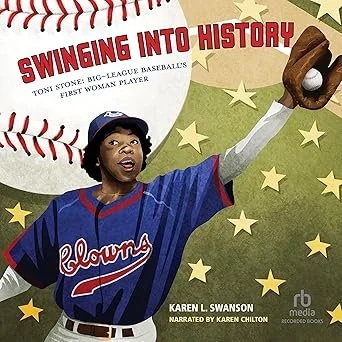
Swinging into History tells the true story of Toni Stone, the first woman to play professional baseball in the Negro Leagues. Determined to play the sport she loved, Stone broke both gender and racial barriers, competing alongside men at a time when opportunities for women—especially Black women—were severely limited. The book highlights her perseverance, talent, and courage in the face of discrimination.
Recommended Questions:
The book explains that the Great Depression was a time when life was difficult—especially for a Black family living in a mostly white city. What was the Great Depression, and how did it shape Toni Stone’s life and opportunities?
Why do you think Toni pretended that the boys’ insults did not hurt her when she played in the church league?
What does this reveal about her character and the pressures she faced?Referring to the Gabby Street Summer League, the book states: “Trouble was it was for white boys only. As a Black girl she had two strikes against her. But two is not three.” What does this statement mean? How does it reflect both discrimination and determination?
Toni convinced the coaches to let her play by arguing that having a woman on the team would help draw larger crowds. Although she made the team and was often listed as a starting player, she rarely finished games. Do you think publicity or financial motives influenced the coaches’ decision to limit her playing time? What does this suggest about the difference between genuine inclusion and using someone’s identity for marketing or profit?
Research how Major League Baseball has honored Toni Stone. What recognition has she received, and why is this recognition significant in the context of baseball history?
In what ways can sports reflect broader social inequalities?
How can one individual’s actions contribute to long-term social change? Rview the timeline at the end of the book and explain how Toni’s story is connected to Title IX.
What connections can you make between Toni Stone’s experiences and current conversations about equity and inclusion in athletics?
NCSS Theme 4: Individual Development and Identity
This book explores how Toni Stone developed her identity as an athlete despite societal expectations about race and gender. Students examine how social norms and discrimination shaped her experiences and how she asserted her identity in spaces that excluded women. The story illustrates the tension between personal passion and structural barriers.
Social Justice Anchor Standard 18: Speak up with courage and respect
This book shows how Toni Stone was excluded and underestimated because of her gender and race. Her story encourages students to reflect on fairness, representation, and the courage required to challenge discrimination. It also invites learners to consider how they can support inclusion in their own communities.
WA Civics 4: Understands civic involvement
Toni Stone’s career can be examined within the broader struggle for civil rights and gender equity in sports. By breaking racial and gender barriers in the Negro Leagues, she challenged discriminatory norms and expanded possibilities for women in professional athletics. Her legacy is formally recognized at the National Baseball Hall of Fame and Museum, demonstrating how individuals who confront injustice can create lasting institutional change and historical recognition.
