We Sing From the Heart
Book Summary:
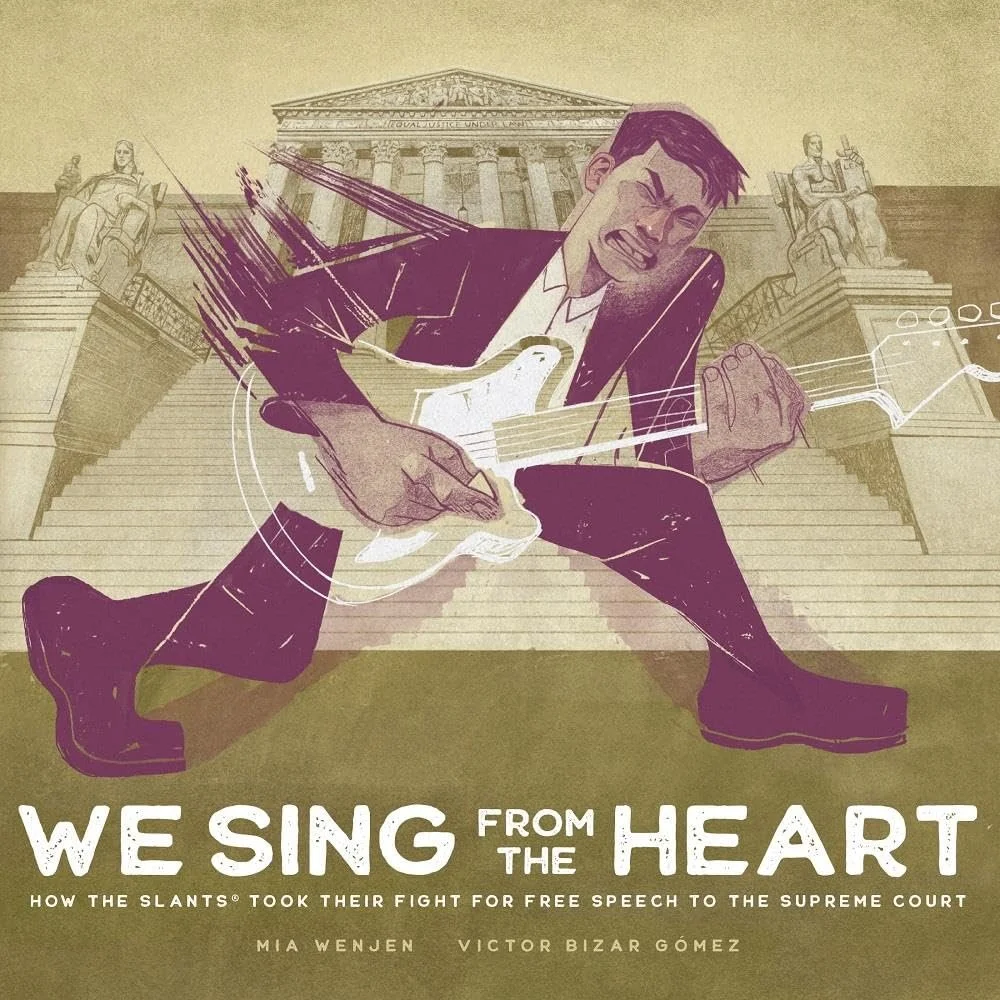
We Sing from the Heart tells the true story of the Asian American band The Slants, who challenged a U.S. law that prevented them from trademarking their band name because it was considered offensive. By taking their case all the way to the Supreme Court, they argued that reclaiming the name was an act of pride and free expression. The book shows how perseverance and civic action can help protect free speech and challenge discrimination.
Recommended Questions:
In the preface, the author explains that not only do stories matter, but who tells them also matters. How does this idea connect to the story of The Slants? Where else might authorship and voice be especially important?
How did The Slants use music as a way to speak out and challenge stereotypes? What messages did they communicate through their songs?
Why can art and music be powerful tools for activism and civic involvement? How do they reach people in ways that laws or speeches sometimes cannot?
Why was taking their case to the Supreme Court an important form of civic action? What does this show about how citizens can work within the legal system to create change?
How did the community support The Slants during their struggle? Why was this support important?
How did founding The Slants Foundation extend the band’s activism beyond their court case?
How does this story help us understand the role of free speech in a democracy? What responsibilities come with having the right to free expression?
Throughout the book, lyrics from The Slants’ song “From the Heart” are woven into the narrative. Listen to this song. How does the story help you better understand its meaning and message? Identify one or two phrases that stand out to you and explain why they are meaningful. How could these phrases apply to new settings or situations beyond the story?
The book explains that President Barack Obama used “From the Heart” as part of the “Act for Change” anti-bullying campaign. In what other settings or situations could this song be used to promote positive change?
The final page of the book provides background information about Mia Wenjen, the author. What unique connection does she have to this story, and why do you think The Slants trusted her to tell it?
NCSS Theme 10: Civic Ideas and Practices
This book focuses on free speech, civic rights, and participation in the democratic process. The book shows how individuals can challenge unfair laws through peaceful action and the judicial system. Students learn how civic ideals—such as equality, justice, and freedom of expression—are protected and debated in a democracy.
Social Justice Anchor Standard 12: Individual and systemic injustice
The book exposes how discrimination can exist within laws and institutions, not just personal actions. Students learn to identify systemic injustice and understand why equal protection under the law matters. The story encourages critical reflection on fairness and the responsibility to challenge unjust systems.
WA Civics 4: Understands civic involvement
This book shows civic involvement through both artistic expression and organized action. The Slants use music as a powerful form of speaking out—writing and performing songs that challenge stereotypes, affirm Asian American identity, and engage the public in conversations about justice and free speech. Beyond the courtroom, the book highlights how they founded The Slants Foundation, demonstrating that civic participation can also include creating organizations that educate, support communities, and work toward lasting social change.
