You are Golden
Book Summary:
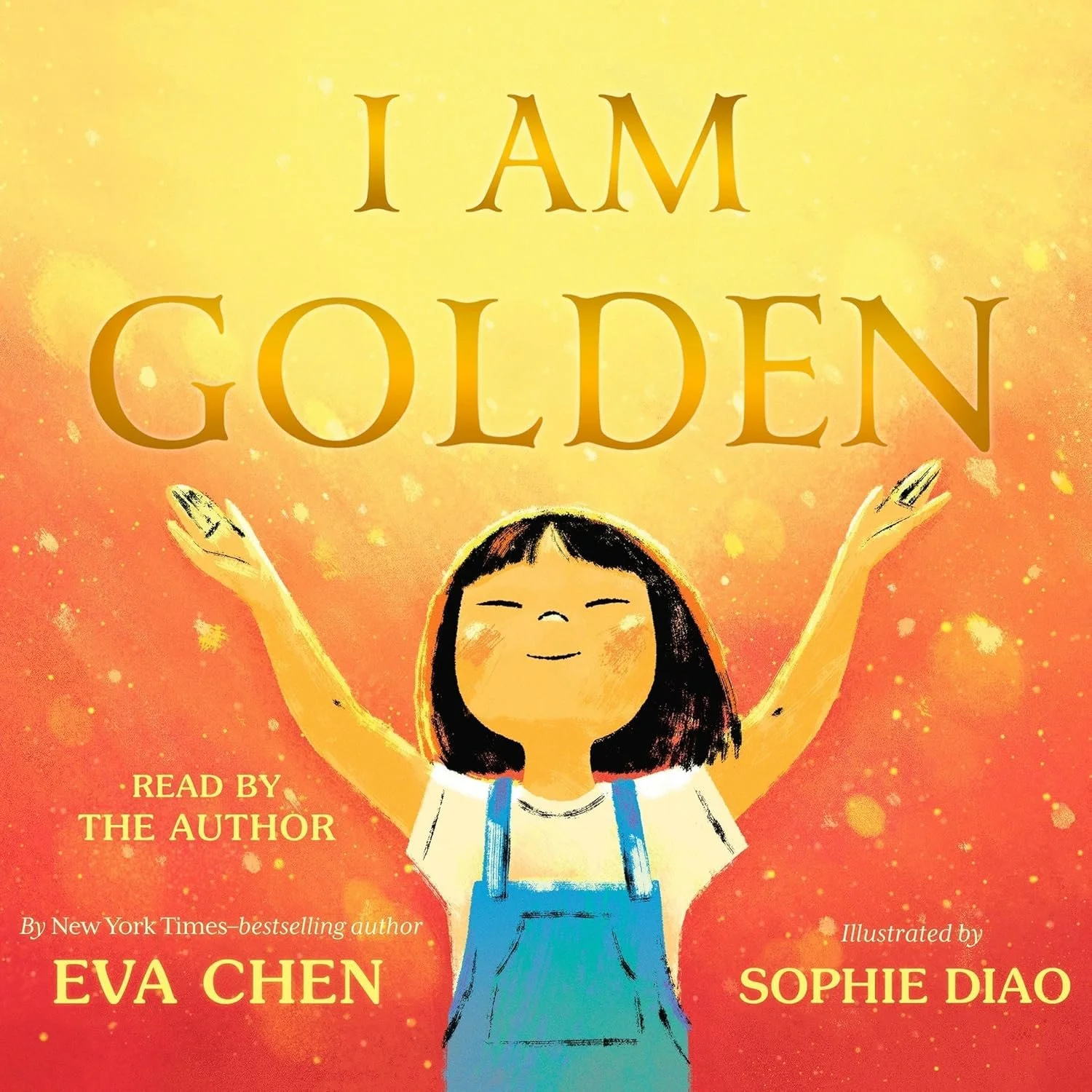
You Are Golden celebrates Asian children—particularly those of Chinese heritage—and encourages them to feel proud of who they are. Through playful examples and affirming messages, the book highlights the beauty of Chinese cultural traditions, individuality, and community. The story promotes confidence and a sense of belonging for children of immigrants who grow up navigating and connecting between two cultures.
Recommended Questions:
What message does the book send about identity and self-confidence?
What Chinese cultural traditions, foods, celebrations, or family customs do you notice in the story? What do these details help you learn about culture and place?
The book celebrates being Asian and specifically highlights Chinese cultural traditions. Why is it important to recognize both shared Asian identities and specific Chinese traditions?
Many children of immigrants grow up navigating two cultures. What might that experience feel like? How does this book give you a window into some of their experiences?
What examples in the book show pride in cultural heritage? Why is cultural pride important for identity development?
The book refers to Měi Guó. Based on the context of the story, what do you think this Mandarin word means? Make an inference first, then look up the translation to test your idea.
The author includes two phrases that many immigrants and children of immigrants may relate to. Choose one of the following quotes and evaluate its meaning. Explain why the phrase is significant and how it might connect to the experiences of immigrants from many cultures, not just those from China.
“You have become our teacher and translator.”
“People will call you different with one breath and then say that we all look the same in the next angry breath.”
The book uses many analogies to describe Mei’s culture and identity, including the dragon, jade rabbit, lotus flower, and first bamboo shoot. Choose one of these examples and explain why it is a strong analogy. If you are not familiar with the cultural significance of the symbol in Chinese culture, research it first and explain how its meaning connects to Mei’s identity and experiences.
In the author’s note, the author describes a disrespectful racial experience on the playground when they were eight years old that still stays with them today. What can students, teachers, and schools do to create safe and respectful playgrounds so that experiences like this do not happen at our school?
NCSS Theme 4: Individual Development and Identity
This book explores how identity develops through culture, family traditions, and personal experiences. The story highlights the importance of recognizing and celebrating one’s heritage while building confidence in one’s unique qualities. Students examine how children sometimes navigate two cultural identities.
Social Justice Anchor Standard 3: Interaction of multiple identities
You Are Golden highlights how identity is shaped by family heritage, cultural traditions, and lived experiences. The story reflects the experiences of children of immigrants who navigate connections to both their family’s cultural background and the society where they live. Students learn that identity can include multiple influences and that belonging to more than one cultural community is a meaningful part of who they are.
WA Geography 1: Understands the physical characteristics, cultural characteristics and location of places and regions
You Are Golden highlights cultural traditions connected to Chinese heritage, such as food, celebrations, language, and family customs. These elements help students explore how cultural characteristics are tied to particular places and regions of the world. The book also helps students understand how immigrant families maintain connections to cultural traditions from their home countries while living in new places.
