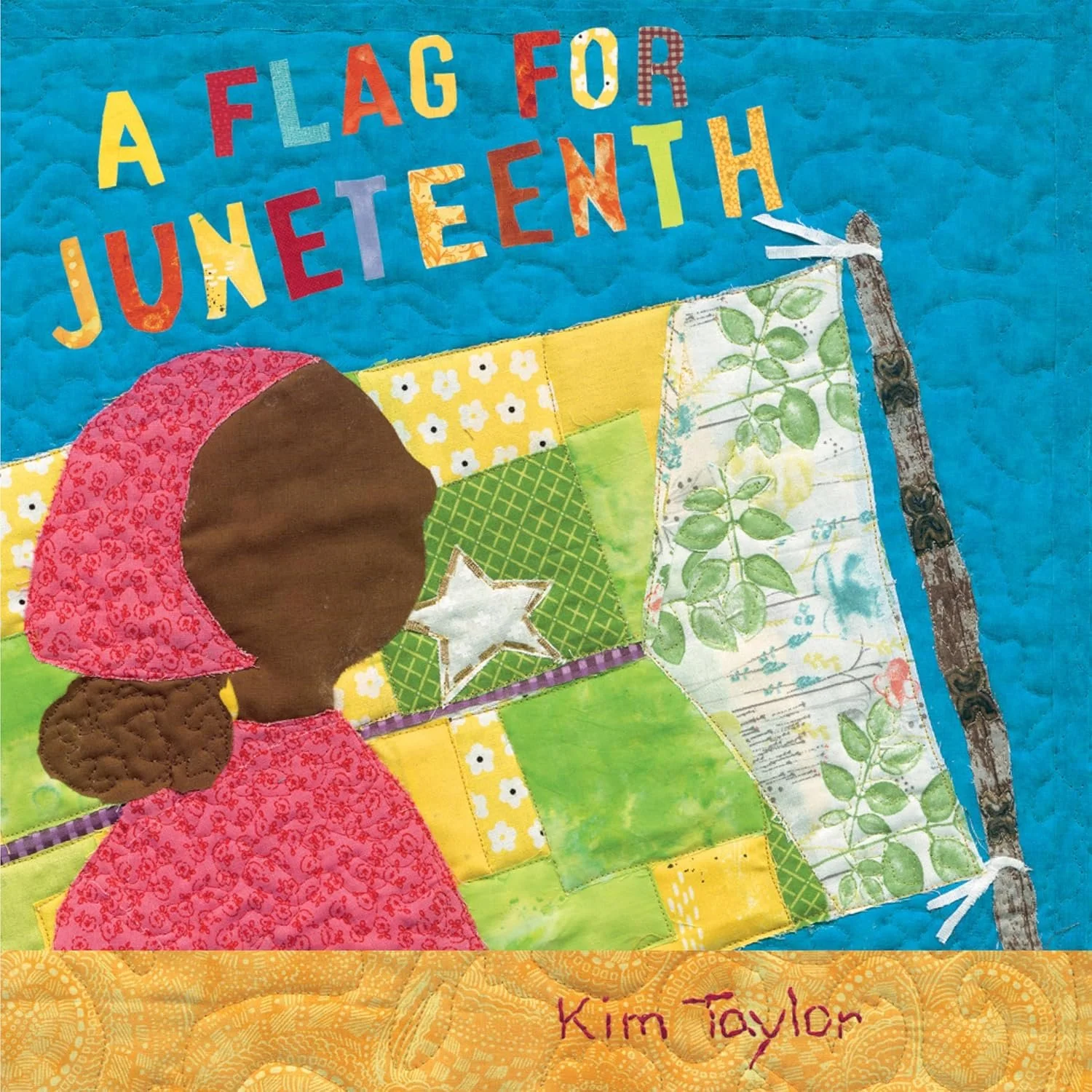
A Flag for Juneteenth
Book Summary:
A Flag for Juneteenth tells the story of young Huldah and her community in Texas as they learn of their freedom on June 19, 1865—more than two years after the Emancipation Proclamation. On the very day Huldah is celebrating her tenth birthday, the announcement of emancipation arrives, and her community gathers in joyful celebration. Together, they create flags to mark the historic moment and gift one to Huldah, honoring both her birthday and their newly recognized freedom. The story celebrates Black resilience, collective joy, and the enduring significance of Juneteenth.
Recommended Questions:
What happened on June 19, 1865, and why was this date historically significant?
By June 1865, the Union had already won the Civil War, and many plantation owners likely knew the Confederacy had surrendered and that slavery was ending. Why might some have delayed sharing this information with enslaved people until Union troops arrived in Texas? What does this reveal about power, control, and justice at that time?
What does Juneteenth teach us about freedom and justice in the United States?
The book mentions the symbol Fawohodie and describes it as an important symbol used in the celebration. Research what Fawohodie represents and explain its historical and cultural significance. How does this symbol deepen the meaning of Juneteenth in the story?
Why are symbols—such as flags—important in representing history, identity, and collective memory?
Research the official Juneteenth flag. How was it developed, and what is the significance of its colors and symbols?
In the story, the community gifts Huldah a flag but asks her to sew the star onto it herself. Why do you think they made this choice? What might this detail symbolize?
The author and illustrator use quilts to help tell the story. What role did quilts play during the Civil War era? How might this historical context connect to their creative choices?
NCSS Theme 2: Time, Continuity and Change
This book connects a pivotal historical moment—the delayed enforcement of emancipation in Texas—to ongoing traditions of remembrance and celebration. Students learn how historical events continue to shape cultural identity and collective memory. The story demonstrates how communities carry history forward through symbols and commemorations.
Social Justice Anchor Standard 13: Examining inequity
The story highlights the injustice of slavery and the delayed communication of freedom to enslaved people in Texas. It invites students to reflect on how systemic injustice shaped the lives of Black Americans and how Juneteenth represents both liberation and resilience. The book supports understanding of historical inequities and their lasting impact.
WA History 1: Understands historical chronology
A Flag for Juneteenth helps students understand the chronological sequence of events from the Emancipation Proclamation in 1863 to the announcement of freedom in Texas on June 19, 1865. The book encourages examination of how slavery persisted even after legal freedom was declared, and how the arrival of Union troops changed the course of history.
