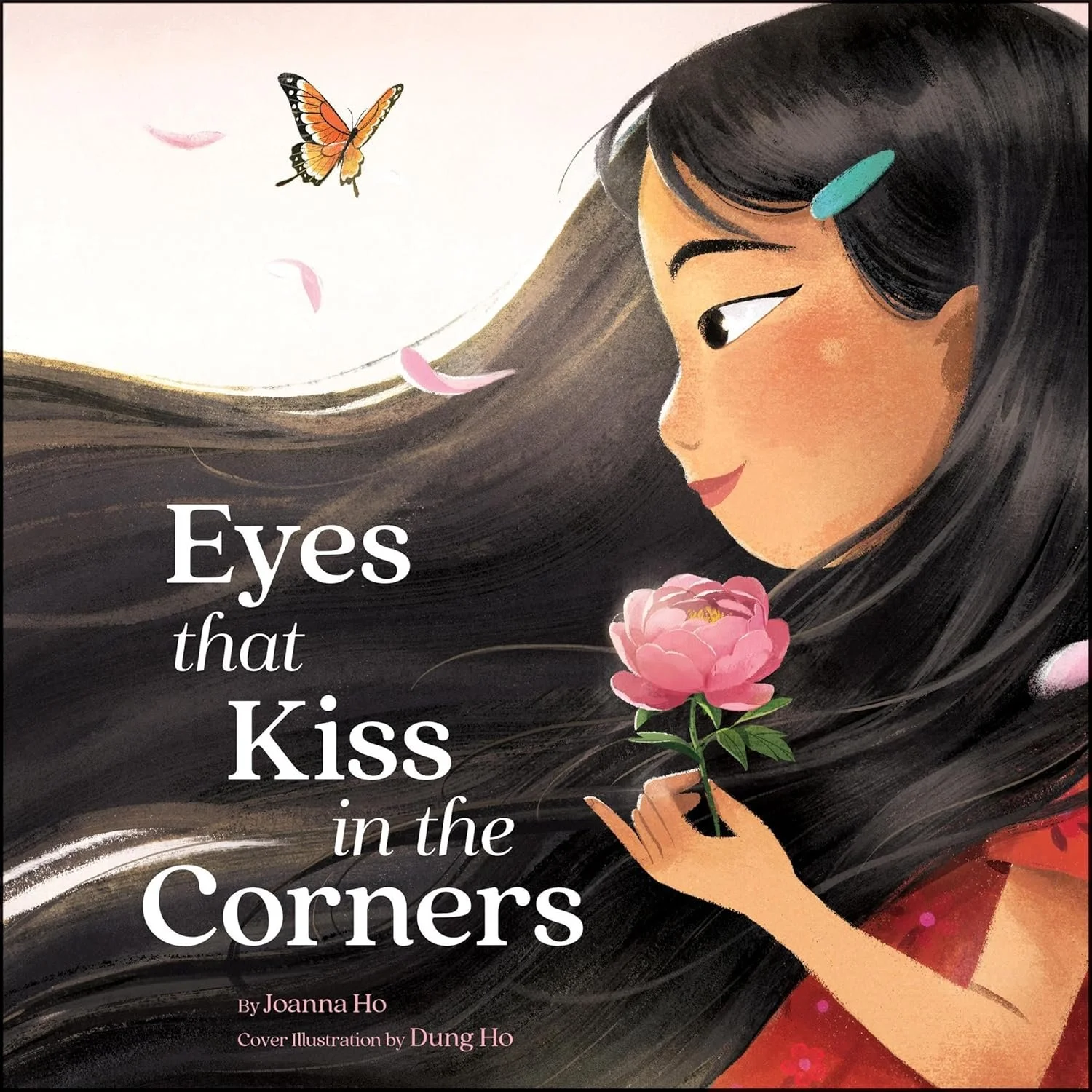
Eyes that Kiss in the Corners
Book Summary:
Eyes That Kiss in the Corners tells the story of a young Asian girl who recognize her beauty through the loving examples of her mother, grandmother, and sister. As she connects her appearance to generations of women in her family, she develops pride in her heritage and a deeper sense of self-love. The story celebrates identity, family legacy, and cultural belonging.
Recommended Questions:
How does the main character feel about her eyes at the beginning of the story?
What helps her change the way she sees herself?
How do her mother, grandmother, and sister influence her understanding of identity?
What messages about beauty does the story challenge?
How do family stories help shape identity across generations?
What does the story teach about pride, belonging, and self-acceptance?
What messages about beauty do people learn from society, media, or advertising? Who decides these standards?
How can narrow beauty standards be harmful to people of all backgrounds?
What responsibilities do communities, schools, or media creators have in promoting inclusive representations of beauty?
NCSS Theme 4: Individual Development and Identity
This book explores how identity develops through family relationships, cultural heritage, and social experiences. The narrator learns that her physical features carry stories, history, and connection across generations. The story emphasizes that self-love and identity grow through understanding one’s cultural roots and challenging narrow beauty standards.
Social Justice Anchor Standard 5: Dominant and home culture navigation
Eyes That Kiss in the Corners invites students to deliberate the public issue of beauty standards. The story encourages discussion about how dominant cultural norms around appearance can be harmful to everyone. Students consider how communities can challenge stereotypes and promote inclusive understandings of beauty and identity.
WA Social Studies Skills 3: Deliberates on public issues
Nora and her Lola respond to the economic challenge of losing customers during a heat wave by creating a new product—mango ice candy—to meet community needs. Their decision demonstrates problem-solving, entrepreneurship, and how small businesses adapt to changing conditions. Students see how economic choices affect both families and communities.
