I Wish You Knew
Book Summary:
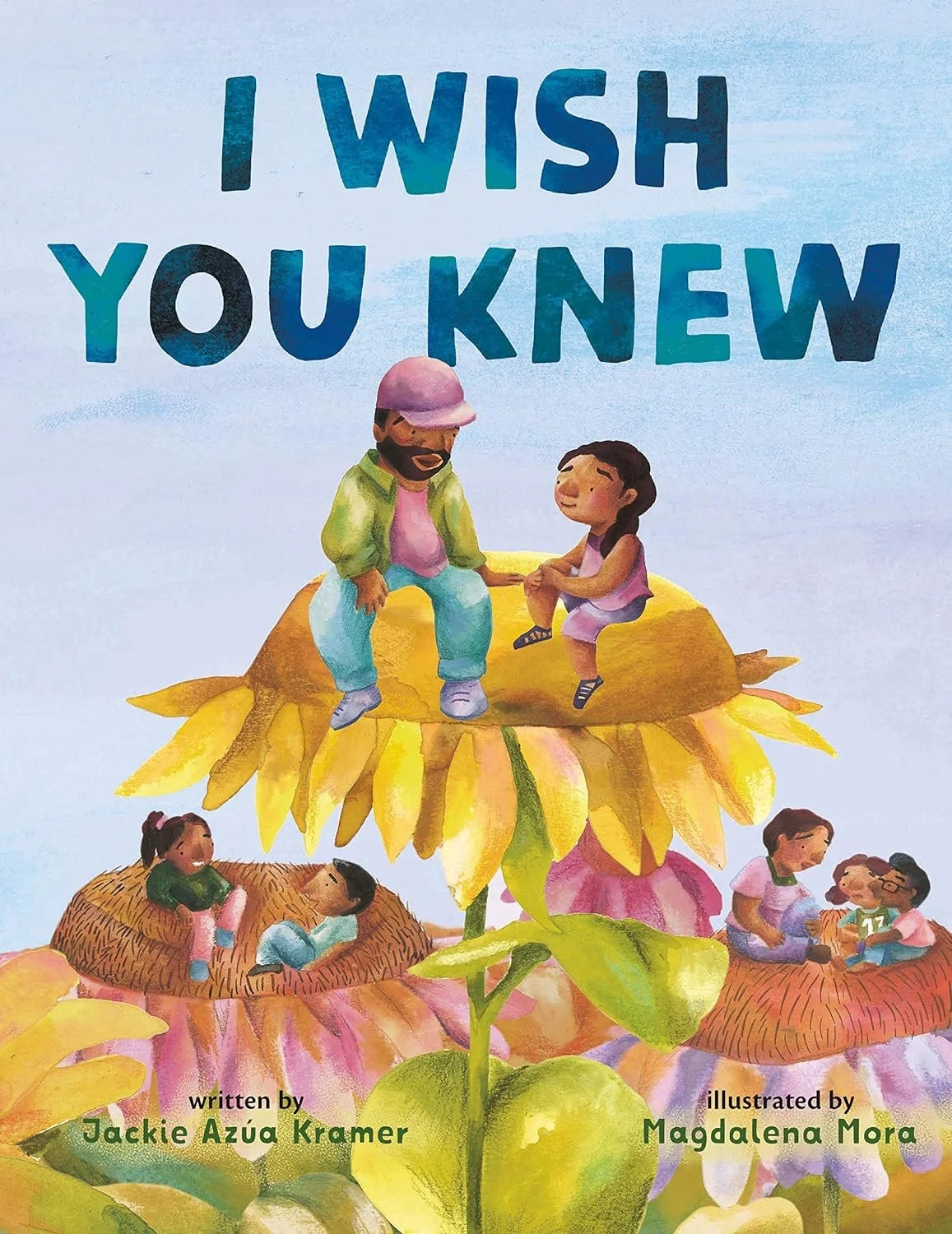
I Wish You Knew takes place in a classroom where students anonymously share “I wish you knew…” notes that reveal their fears, struggles, hopes, and experiences. One of the central notes comes from the main character, who wishes people understood how her father’s return to his native country—because he was not born here—has deeply impacted her and her family. As the teacher reads the anonymous notes aloud, classmates begin to better understand one another and recognize that everyone carries unseen challenges. The book highlights empathy, belonging, and the importance of safe spaces for honest communication.
Recommended Questions:
Why do you think the teacher invites students to write “I wish you knew…” notes anonymously?
What would happen if no one ever shared what they were really feeling?
What did the students learn about one another after hearing the notes?
How might assumptions about classmates affect how we treat them?
How does understanding others’ experiences help build a stronger community?
Why is it important to create safe spaces where people can share their stories?
How does empathy strengthen a classroom or community?
Imagine the author wants to add one or two more I wish you knew ideas to this book. What recommendations would you have for the author.
NCSS Theme 4: Individual Development and Identity
This book explores how personal experiences shape identity and behavior. Students learn that classmates may face challenges—such as moving to a new place, family separation, or feeling invisible—that influence who they are. The story promotes awareness of how identity develops within social and community contexts.
Social Justice Anchor Standard 8: Respectful curiosity about the lived experiences of others
I Wish You Knew models respectful listening and openness to others’ experiences. It encourages students to create inclusive spaces where differences are acknowledged and valued. The book fosters empathy and understanding as essential components of equitable communities.
WA Social Studies Skills 1: Uses Critical reasoning skills to analyze and evaluate claims
The book encourages students to reflect on assumptions they may make about others and evaluate those assumptions critically. By listening to classmates’ hidden truths, students practice analyzing perspectives and recognizing complexity in social situations. It supports thoughtful communication and evidence-based understanding of lived experiences.
