Not My Girl
Book Summary:
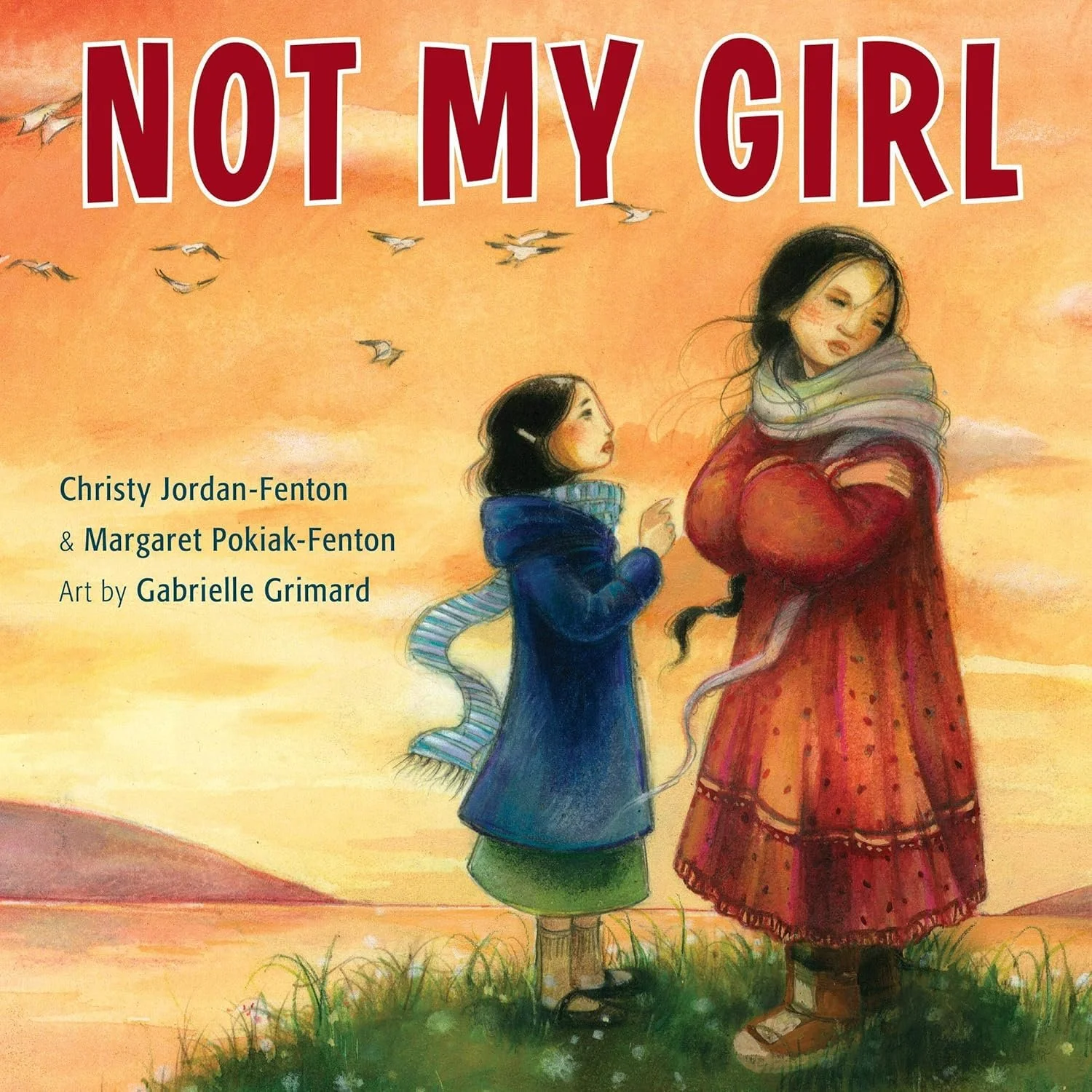
Not My Girl recounts the true story of Margaret (Olemaun) Pokiak‑Fenton returning home after two years at a residential school, only to find that her mother doesn’t recognize her because she has changed so much. She has forgotten her language, traditional skills, and cultural ways, and must work to regain her identity and reconnect with her community. Over time, Margaret relearns her culture and earns her family’s trust, ultimately finding her place once more.
Recommended Questions:
How did Margaret change during her time at the residential school? What parts of her culture and identity did she lose, and why might those have mattered to her family?
Why did Margaret’s mother say, “Not my girl!” when she first returned? What does this reaction tell us about how much Margaret had changed?
What challenges did Margaret face when she tried to reconnect with her family and culture? How did she work to overcome them?
Why do you think Margaret’s ability to read helped her during her return home and reintegration into her community?
How does this book help us understand the impact of residential schools on Indigenous peoples historically and in the present?
Why is it important to preserve language, traditional skills, and cultural practices? What happens when these are lost?
What do you think Margaret’s story teaches about identity, resilience, and belonging?
In what ways did Margaret rebuild her identity and sense of belonging after she returned home?
Why is it important to read stories like this one, and not just focus on the time children spent at residential schools?
NCSS Theme 1: Culture
Not My Girl shows how Margaret’s identity, language, and traditional skills were affected by attending a residential school. The story highlights how culture shapes a person’s sense of self, belonging, and connection to family and community. It also illustrates how losing access to language and cultural practices can disrupt that identity and why cultural preservation and respect matter.
Social Justice Anchor Standard 13: Harmful impact of bias and injustice on the world, historically and today
Margaret’s experience in Not My Girl shows the harmful impact of biased policies like residential schooling, which were based on discrimination and forced assimilation of Indigenous children. The story helps students see how such injustice affected Margaret’s language, cultural skills, and sense of belonging. It also offers a chance to discuss how communities work to heal and reclaim identity today, making the historical harm relevant to current issues of equity, cultural respect, and reconciliation.
WA History 4: Understand how historical events inform analysis of contemporary issues
The story is set in the context of Canadian residential schools, a historical system that forcibly removed Indigenous children from their families to assimilate them. By examining Olemaun’s experiences, students can connect historical policies to contemporary issues such as Indigenous rights, cultural preservation, and reconciliation efforts. The book helps students analyze the long-term effects of history on communities today and understand why learning this history is essential for social justice.
