Poo-Dunit
Book Summary:
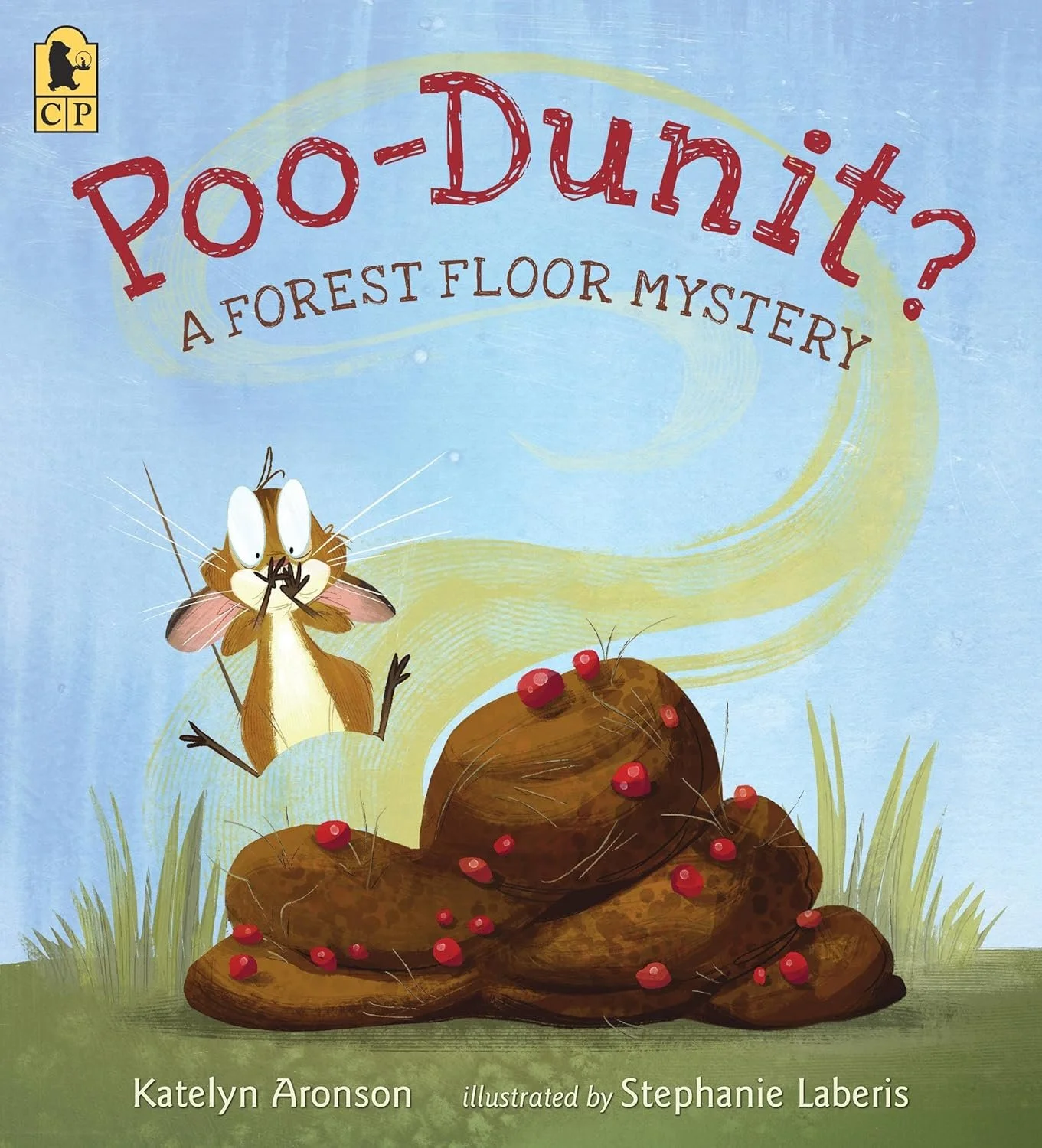
Poo-Dunit? A Forest Floor Mystery follows a curious mouse detective who discovers mysterious droppings in the forest and sets out to identify which animal left them behind. As the mouse gathers clues and interviews other forest animals, readers learn about different species and their roles in the ecosystem. The story blends humor and science while showing how observation and evidence help solve mysteries in nature.
Recommended Questions:
What clues does the mouse use to solve the mystery?
In the story, each animal offers evidence showing why it was not responsible, even though the mouse does not ask many questions. What questions could the mouse have asked to learn more? How does asking thoughtful questions help solve problems?
Why is it important to gather and evaluate evidence before making a conclusion?
What does the story teach us about how animals live and interact within a forest ecosystem?
Why might scientists study animal droppings in real life? What can they learn from them?
How does asking questions help solve problems?
What role does curiosity play in learning about nature and science?
How can careful observation help us better understand ecosystems and the natural world?
NCSS Theme 3: People, Places and Environments
Poo-Dunit? helps students explore how animals interact with and contribute to their environment. The information in the back of the book explains that manure plays an important role in ecosystems by adding nutrients to the soil and helping gardens and plants grow. This connection shows how even waste products become valuable resources that support plant life, demonstrating the interdependence between animals, plants, and the environment.
Social Justice Anchor Standard 18: Speak up when someone has been hurt or wronged by bias
In Poo-Dunit? the mouse detective models respectful investigation and fairness by gathering evidence and listening to different animals before making conclusions. This encourages students to avoid assumptions and evaluate evidence before judging others.
WA Social Studies Skills 2: Uses inquiry based research
The mouse detective gathers clues and investigates evidence to solve the mystery. This mirrors the inquiry process students use when researching questions about the natural world. The book encourages learners to observe details, ask questions, and analyze evidence to reach conclusions.
