Where Are You From?
Book Summary:
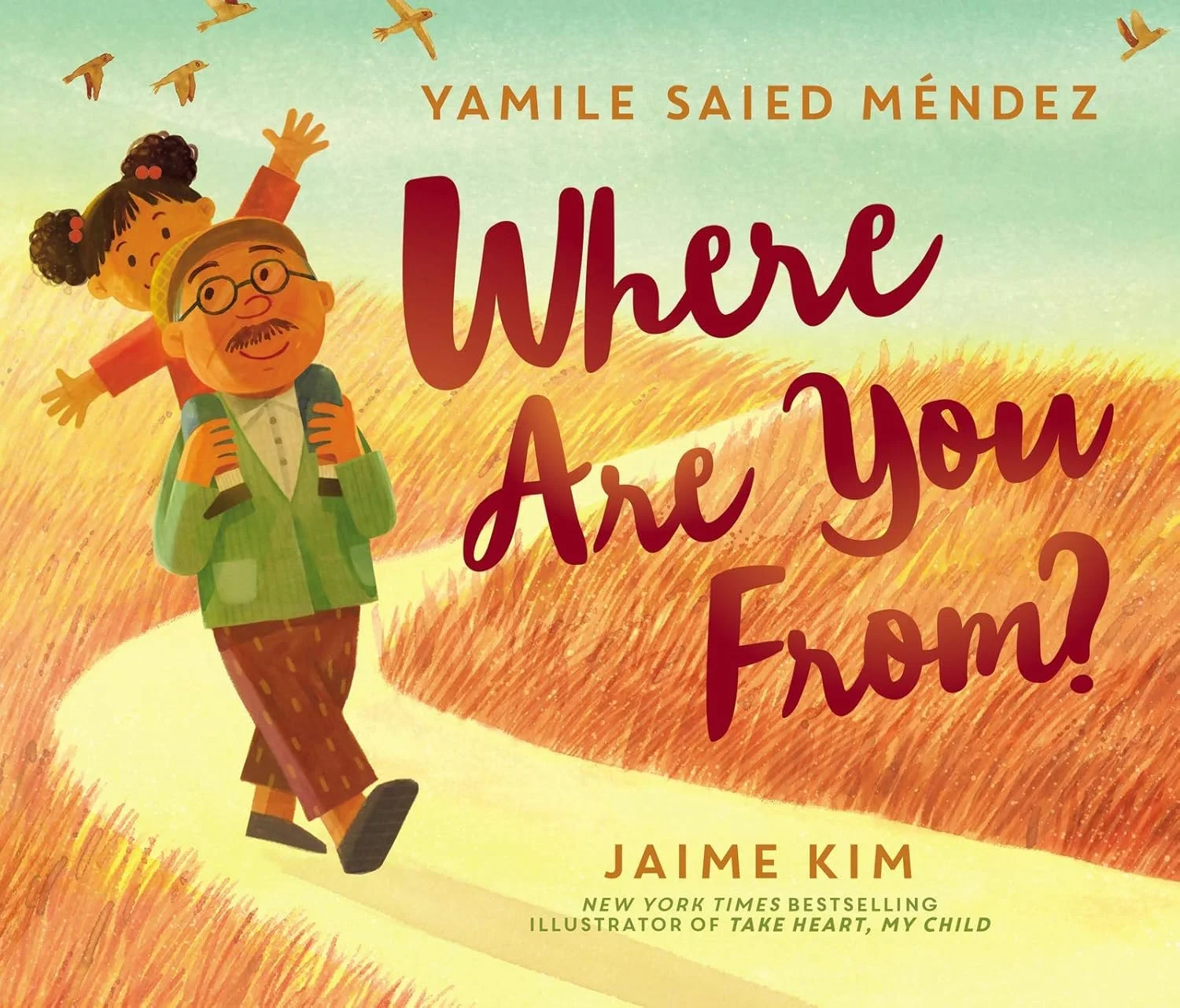
Where Are You From? follows a young girl who struggles to answer a question that feels too simple for her rich identity. With guidance from her abuelo, she learns that “where she is from” includes her family stories, traditions, languages, and memories—not just a place on a map. The book affirms identity, belonging, and the power of honoring one’s whole story.
Recommended Questions:
How did the girl feel when people asked her, “Where are you really from?” Why do you think she felt that way?
What kinds of things did Abuelo include when describing where the girl is from? How did his description help her understand her own identity in a new way?
Why do you think Abuelo pointed to his heart when he explained where she’s from? What does this tell us about the meaning of “home”?
What does this book teach us about identity and about respecting other people’s backgrounds and cultures?
The book gives clues to specific geographic locations, such as “a tiny frog that calls the island people home when the sun goes to sleep” and a statue that reads “25 Mayo 1810.” Can you search for and solve these clues? What do they tell us about the places the girl comes from?
Abuelo shares stories about family, land, and traditions. Which part of his explanation do you think was most meaningful to the girl, and why? Which is would be most meaningful to you and why?
What role do memory and storytelling play in shaping a person’s sense of identity? Can you think of a story from your family that helps you understand who you are?
The girl in the story learns that “where she’s from” is more than a place on a map. How can you explain your own identity beyond just the place you live?
NCSS Theme 1: Culture
The book strongly connects to the theme of Culture by showing how identity is shaped by traditions, language, family, and lived experiences. It helps students understand that culture goes beyond geography and includes values, memories, and community connections. The story encourages respect for diverse identities and ways people define where they are from.
Social Justice Anchor Standard 1: Positive Social Identities
The book supports students in developing pride in their own identities while respecting others. It validates complex identities shaped by culture, family, and migration. By affirming that every story matters, the book promotes dignity, belonging, and mutual respect.
WA Social Studies Skills 3: Deliberates on public issues
This picture book supports students in thinking critically and empathetically about questions related to identity and belonging—public issues that affect many people’s lives. By discussing how the character feels when repeatedly asked where she’s “really” from, students deliberate on perspectives about inclusion, assumptions based on appearance, and cultural diversity.
