Broken
Book Summary:
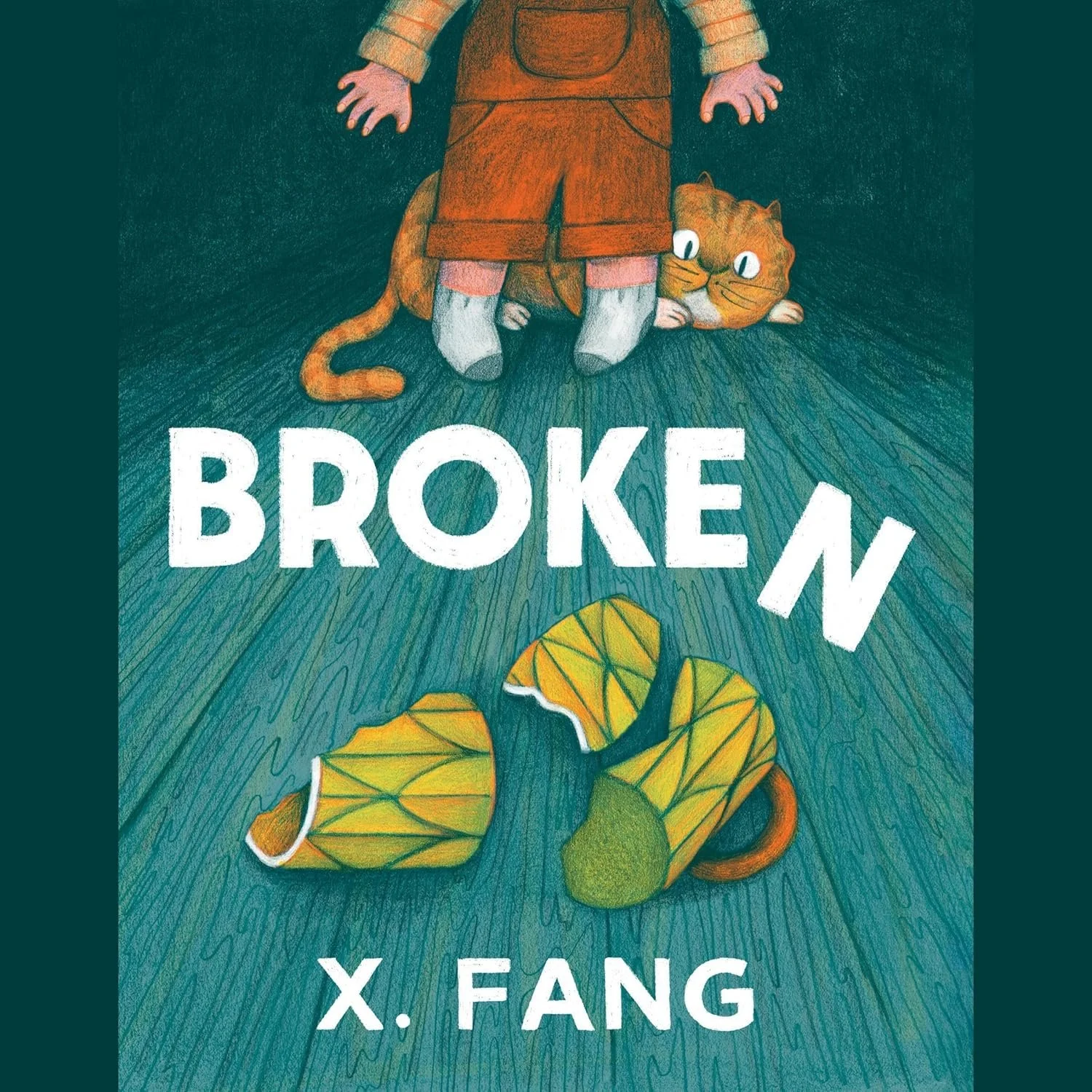
When Mei Mei accidentally breaks her ama’s favorite cup, she becomes overwhelmed with fear and guilt and allows the family cat to take the blame. As her guilt grows, Mei Mei must decide whether to continue hiding the truth or confess what happened. The story explores honesty, forgiveness, and the idea that broken things—and relationships—can often be repaired.
Recommended Questions:
Why might people care deeply about something that seems small or ordinary to others?
How does the story show that the value of an object is not always about money?
How can fear influence the decisions people make?
What could others do to help someone feel safe enough to tell the truth?
What does the story teach us about taking responsibility?
How might Mimi have felt being blamed for something she did not do?
Why is it important to show compassion when someone makes a mistake?
How can honesty and empathy help repair relationships after harm has been done?
NCSS Theme 7: Production, Distribution and Consumption
In Broken, Ama’s cup is more than just an object—it carries emotional and personal value for the family. Mei Mei’s fear after breaking it highlights how people can become attached to meaningful possessions and how objects can represent memories, relationships, and care. Students can examine how the value of an item is not always based on money, but also on its emotional and cultural importance.
Social Justice Anchor Standard 16: Empathy
Broken helps students build empathy by showing Mei Mei’s fear, guilt, and emotional struggle after the accident. It encourages readers to consider how blame and assumptions can affect others, including Mimi the cat. The story also highlights the importance of compassion, forgiveness, and repairing harm when mistakes are made.
WA Economics 1: People making choices
In Broken, Mei Mei faces difficult choices after accidentally breaking Ama’s cup. She must decide whether to tell the truth or avoid consequences by allowing Mimi to take the blame. The story helps students examine how choices can affect relationships, trust, and emotions, and how decisions often involve weighing risks and consequences.
