The Case For Loving
Book Summary:
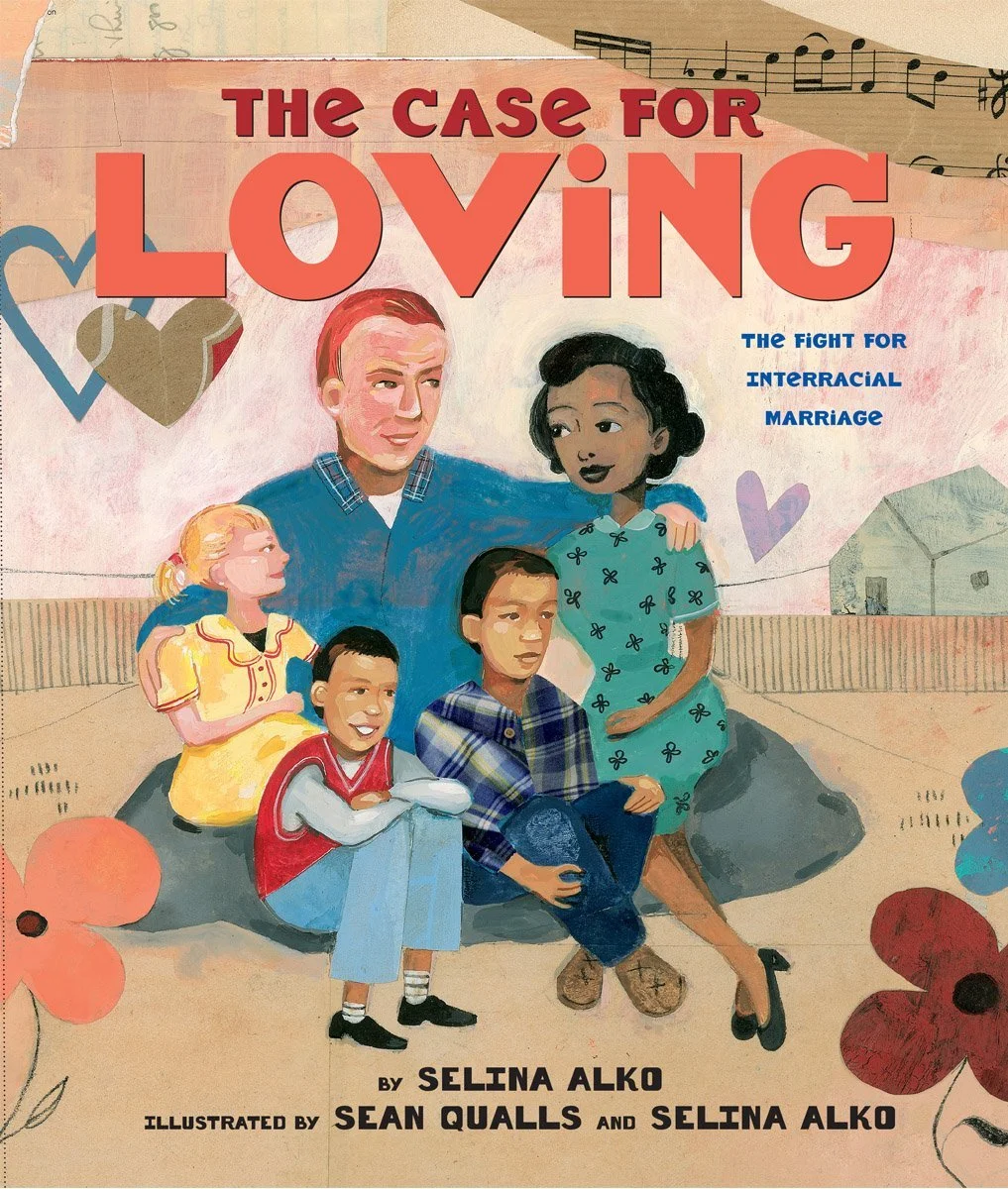
The Case for Loving tells the true story of Mildred and Richard Loving and their fight to overturn laws banning interracial marriage in the United States. The book explains how their case, Loving v. Virginia, led to a Supreme Court decision that affirmed marriage as a basic civil right. Through clear text and powerful illustrations, the story shows how ordinary people helped change unjust laws.
Recommended Questions:
Why do you think some laws apply nationwide, while others apply only within individual states? What benefits and drawbacks does this system have?
What risks did the Lovings take, and why do you think they chose to take those risks?
The story explains that interracial marriage was illegal in Virginia and 16 other states. First, make a hypothesis about which states you think those were. Then research to test your hypothesis.
The book describes how laws and society changed between 1958 and 1966, when the Lovings returned to Virginia. Research this period and create a timeline of significant legal and social events.
Examine the illustration of the nine Supreme Court justices. What patterns do you notice? Whose voices or perspectives do you think might be missing?
What is the Supreme Court, and how is it different from other courts in the United States?
Should there be laws that determine who people can and cannot marry? Should marriage be a personal decision or a state decision? Explain your reasoning.
How does this historical case help us better understand current discussions about civil rights?
How can learning about this case help us stand up for fairness and justice today?
NCSS Theme 6: Power, Authority and Governance
This book explores how laws are created, enforced, and challenged. Students learn how government power can both uphold injustice and be used to protect rights through the court system. The story demonstrates how citizens can question authority and work within democratic systems to create change.
Social Justice Anchor Standard 12: Individual and institutional discrimination
The Case for Loving helps students recognize individual unfairness through the harm Mildred and Richard Loving experienced when they were punished for loving each other. It also highlights systemic unfairness by showing how state laws banned interracial marriage and enforced discrimination. The story supports students in understanding how injustice can be built into laws and institutions, not just individual actions.
WA Civics 2: Understands the purpose and function of governments, laws, and political systems
The Case for Loving helps students understand how laws are created and enforced by state governments and how the judicial system interprets those laws. The story shows how the Supreme Court functions as part of the federal government to review and overturn state laws that violate constitutional principles. Through the Lovings’ case, students learn how different levels of government interact within the U.S. political system to protect individual rights.
