To Live on an Island
Book Summary:
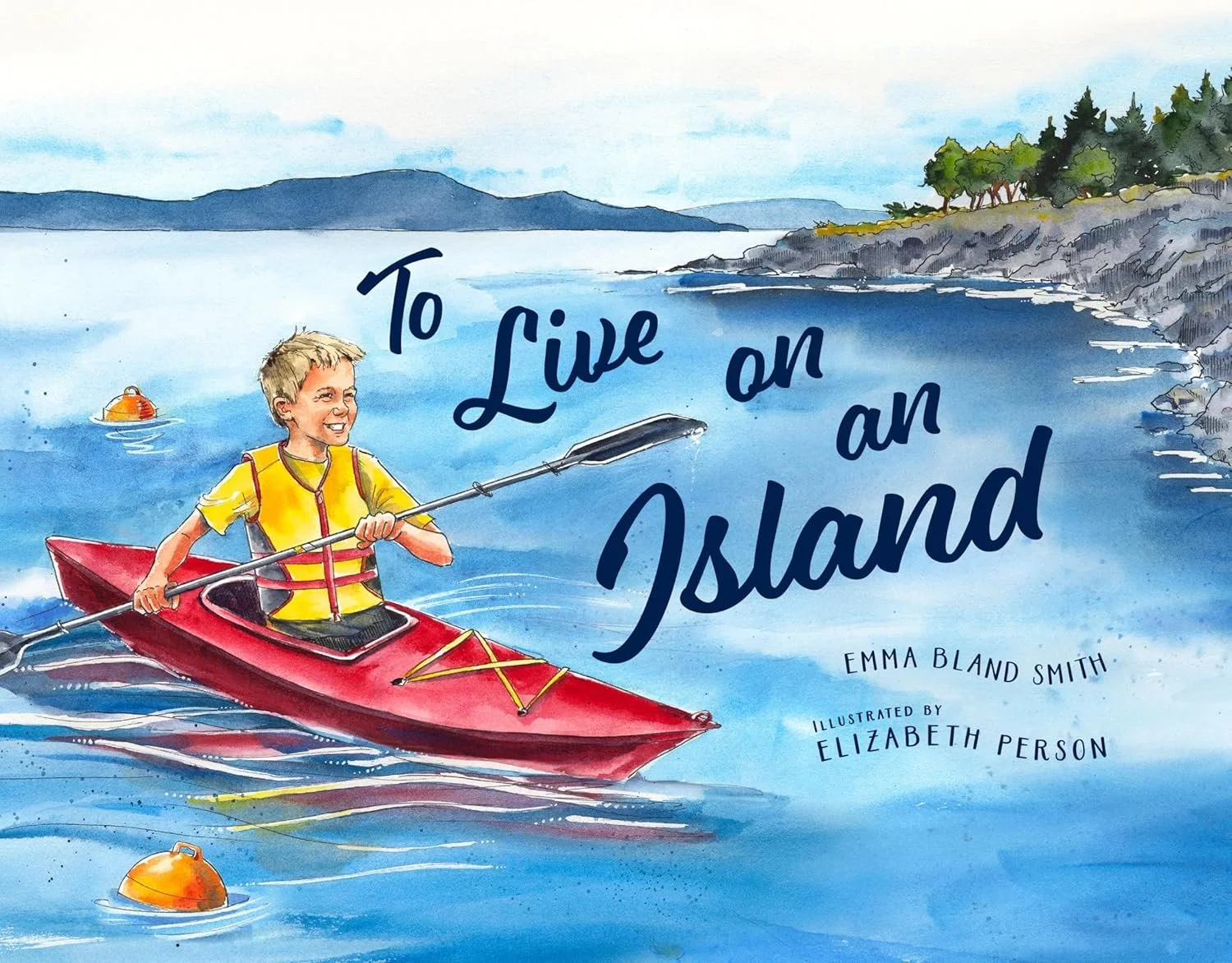
To Live on an Island describes the daily life of a child growing up on an island, showing routines, relationships, and close connections to the natural world. The book challenges common imaginations of islands as tropical by depicting a working, temperate island (San Juan Islands of Washington) shaped by weather, seasons, and community life. Through simple text and detailed illustrations, the story emphasizes how place influences identity, work, and belonging.
Recommended Questions:
What is different about living on an island compared to living in a city or town? What seems similar?
How does being surrounded by water affect how people travel, work, and play on the island?
How do people on the island rely on one another? Why is cooperation important in smaller or more remote communities?
How do the people in the story care for the land and water around them? Why is caring for the environment important?
Would you like to live on an island? Why or why not? What challenges and benefits can you imagine?
How does life on an island shape the child’s experiences and identity? How does where you live shape your own daily life?
Research and learn more about the Washington State Ferry System, the largest ferry system in the United States. How does it connect island communities to the mainland?
Research and learn more about bald eagles in the San Juan Islands, which has the greatest concentration of bald eagles in the lower forty-eight states. How do these birds rely on the island environment?
Research the J, K, and L orca pods that live in the San Juan Islands. How do these orcas interact with their environment and with humans? Why is it important to protect their habitat?
NCSS Theme 3: People, Places and Environments
The book explores how geography influences how people live, work, and connect with one another. Students learn that an island’s physical features, isolation, and natural resources shape cultural practices, community relationships, and daily choices.
Social Justice Anchor Standard 3: Peoples identities and cultures are shaped by many factors including family and connection to place.
The book shows how living on an island shapes identity, values, and community traditions. By highlighting a way of life that may differ from their own, students learn to respect and appreciate diverse communities and experiences.
WA Geography 1: Understands the physical characteristics, cultural characteristics, and location of places, regions and spatial patterns on the Earths surface
To Live on an Island helps students identify how physical features such as water, weather, and landforms influence island life. The story illustrates how people adapt their homes, transportation, and routines to fit their environment, building geographic understanding through lived experience.
