Amazing Grace
Book Summary:
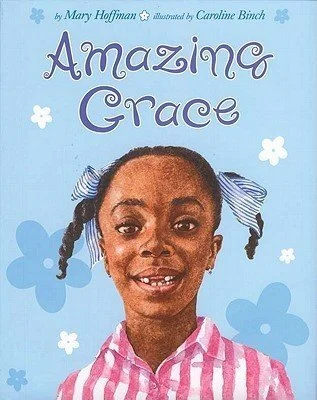
Amazing Grace by Mary Hoffman tells the story of Grace, a young girl who loves to read, imagine, and perform. When classmates tell her she can’t play Peter Pan because she’s a girl and because she’s Black, Grace must decide whether to accept their words or challenge them. With support from her grandmother, she proves that talent and determination—not stereotypes—define what’s possible.
Recommended Questions:
What claim do Grace’s classmates make about why she can’t play Peter Pan?
Do you think their claim is fair or based on evidence? Why or why not?
How does Grace use reasoning and confidence to challenge their ideas?
What can we learn from Grace about thinking for ourselves when others make unfair assumptions?
How did Grace’s grandmother help her believe in herself? How can you help others believe in themselves?
How might you respond if you heard someone say something unfair about what another person can do?
Standards:
NCSS Theme 4: Individual Development and Identity
The book highlights how individual identity is shaped by experiences, self-perception, and the influence of others. Grace learns to think critically about the messages she receives about who she can or cannot be and to form her own sense of identity. Students are encouraged to examine how social labels, confidence, and resilience affect personal growth.
Social Justice Anchor Standard 3: Identity and Context
Grace’s identity is shaped by her love of storytelling, her cultural background, and her family’s encouragement. Her grandmother’s wisdom and support connect her to her heritage and help her see that her gender and race do not limit her possibilities. Students learn to appreciate how family, culture, and experiences shape a person’s sense of self.
WA Social Studies Skill 1: Uses critical reasoning skills to analyze and evaluate claims
Grace is told she cannot be Peter Pan because of who she is. Students can analyze this claim and evaluate whether it is fair or based on bias. This helps them practice using reasoning to challenge stereotypes and form their own informed perspectives.
