We Are Water Protectors
Book Summary:
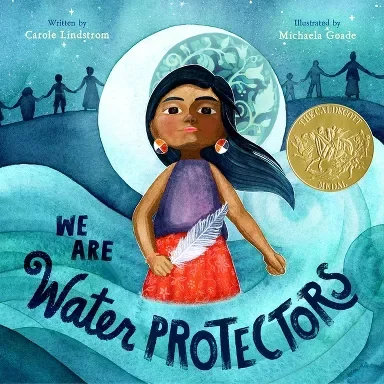
We Are Water Protectors tells the story of an Ojibwe girl who joins her community in defending their land and water against an oil pipeline — symbolized as a threatening “black snake.” Inspired by Indigenous values and traditions, the book celebrates the deep connection between people and the Earth and calls readers to act as guardians of nature. It highlights collective strength, cultural pride, and environmental justice.
Recommended Questions:
What did you learn about Ojibwe culture and beliefs about water?
Why is water described as sacred and essential in the story?
The girl is often shown holding a feather — what might it symbolize in Ojibwe culture?
What does the “black snake” represent, and why is it harmful to the people and the Earth?
How did the Standing Rock Sioux Tribe and other communities show courage and unity during the Dakota Access Pipeline protests?
If a pipeline was planned to go through your community, how could you express your opinion?
What are three peaceful ways people can protest injustices or protect what they value?
How do you think past events, such as broken treaties or land disputes, influence how Indigenous people respond to environmental issues today?
What connections can you make between this story and current environmental movements or issues in your community?
Standards:
NCSS Theme 4: People, Places and Enviroments
This book aligns with the NCSS theme People, Places, and Environments as it explores how human actions impact the natural world and emphasizes stewardship of the environment. It helps students understand how Indigenous peoples’ cultural beliefs guide their relationships with the land and water, fostering respect for natural resources and the importance of sustainability.
Social Justice Anchor Standard 14: Understanding Impact
We Are Water Protectors connects past injustices toward Indigenous peoples with ongoing struggles for environmental and tribal sovereignty. By referencing the Dakota Access Pipeline protests, the book encourages students to analyze how history — including broken treaties and exploitation of Native lands — continues to shape contemporary issues of justice, rights, and activism today.
WA Geography 2: Understands human interactions with the environment
This book demonstrates how people depend on and influence the natural environment, particularly through the tension between resource extraction and environmental protection. Students learn how human choices, such as building pipelines, have cultural and ecological consequences — and how communities respond through activism and traditional ecological knowledge.
