The True Story of the Three Little Pigs
Book Summary:
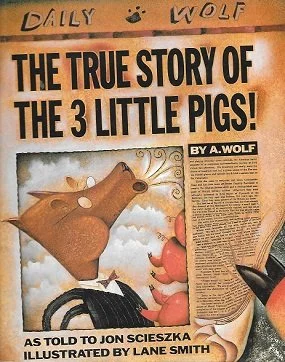
In this clever retelling of a familiar tale, the Big Bad Wolf finally gets to share his side of the story. According to him, he was simply trying to borrow a cup of sugar when a series of unfortunate sneezes caused a big misunderstanding. The book invites readers to think critically about point of view, truth, and how bias shapes the stories we believe.
Recommended Questions:
Have you heard the story of The Three Little Pigs before?
What do you remember about the original version?
When you started reading this book, did you think it would be the same as the original story?
What clues helped you realize this story might be different?
What differences stood out between this version and the traditional tale?
The wolf says people think he’s mean just because wolves eat animals humans find cute. Do you think a jury of wolves would have found him guilty? Why or why not?
Who do you think should decide whether the wolf is guilty? What would be fair?
The wolf feels like no one understands his side of the story. What do you do when people don’t understand you? What helps others see your point of view?
Standards:
NCSS Theme 10: Civic Ideals and Practices
This book helps students explore ideas of fairness, justice, and civic responsibility. By hearing the wolf’s perspective, readers consider how bias influences judgment and how every story has multiple sides. It opens space for conversations about empathy, fairness, and what it means to make just decisions.
Social Justice Anchor Standard 12: Understanding Bias
Through the wolf’s claim that no one understands him, students examine how stereotypes and assumptions affect people’s treatment. The story invites discussion about unfairness, perspective-taking, and ways to challenge bias when someone is misunderstood or judged too quickly.
WA Civics 4: Understands Civic Involvement
Students reflect on how communities make decisions about fairness and justice. The story’s courtroom theme encourages them to think about what makes a trial fair, who decides guilt or innocence, and how understanding different perspectives supports responsible citizenship.
