Fanny’s Dream
Book Summary:
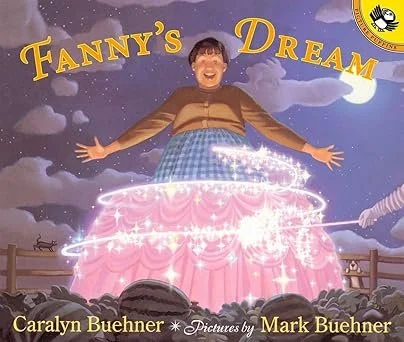
Fanny’s Dream tells the story of a young woman who dreams of marrying a prince and living a life of luxury. When her fairy godmother never appears, Fanny instead marries a kind farmer named Heber and builds a simple but joyful life with him. Over time, Fanny realizes that her true happiness comes not from fairy-tale dreams but from love, family, and hard work.
Recommended Questions:
Do you think Fanny was right to give up her original dream? If you were in her place, would you have made the same choice?
Are some dreams better than others? How can we decide which dreams to pursue, postpone, or let go of altogether?
How can we define success and happiness for ourselves instead of letting others define it for us?
What dreams do you think your older family members had when they were kids? Which of those dreams came true, and which ones didn’t?
If Fanny could tell you what her dream is at the end of the story, what do you think she would say?
Why do you think Fanny wanted to marry a prince? What does that tell us about what society values?
Do you think people today still face pressure to follow certain dreams because of their gender, class, or background? Can you think of examples?
Standards:
NCSS Theme 4: Individual Development and Identity
This story explores how personal dreams and identity evolve over time. Fanny’s journey from wishing for a fairy-tale life to finding joy in her real, imperfect one highlights how experiences, relationships, and values shape who we become and how we define fulfillment.
Social Justice Anchor Standard 4: Healthy Self Esteem
Fanny’s story highlights how ideas about power, privilege, and worth are shaped by social expectations—especially for women. At first, Fanny dreams of marrying a prince because society teaches her that wealth and status define success. Over time, she realizes that genuine happiness and self-worth can come from love, partnership, and meaningful work rather than privilege or status. The book helps students question how social power and privilege can shape our dreams and definitions of success.
WA Social Studies Skills 1: Uses critical reasoning skills to analyze and evaluate claims
Fanny’s Dream analyzes how cultural messages and social expectations influence personal choices. By evaluating Fanny’s decisions and comparing them with modern examples, students learn to reason about how different perspectives shape what people define as “success.”
