She Loved Baseball
Book Summary:
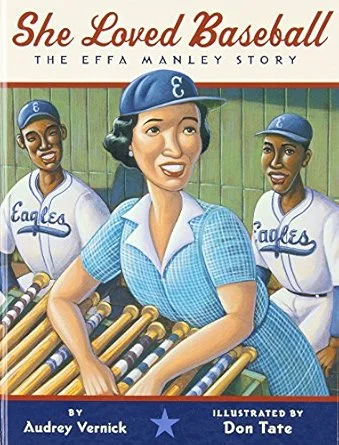
She Loved Baseball: The Effa Manley Story tells the true story of Effa Manley, a trailblazing businesswoman and civil rights advocate who co-owned and managed the Newark Eagles of the Negro Leagues. Despite facing racism and sexism, Effa fought for fair pay, better working conditions, and recognition for Black baseball players. Her leadership helped pave the way for integration in professional baseball.
Recommended Questions:
How does learning about Effa Manley change the way we think about baseball history?
Effa noticed that in Harlem—a predominantly Black community—most businesses were owned by white people, and white people were more likely to be hired for jobs.
Why do you think this was the case? What social, economic, and historical challenges did this create for the community?The Citizens League for Fair Play used signs that read, “Don’t buy where you can’t work.”
What does this phrase mean, and why might it have been an effective strategy for creating change?Research the Citizens League for Fair Play. What was its purpose, who was involved, and what methods did the organization use to challenge discrimination?
Find and examine news clippings or photographs from the successful boycott referenced in the book. What evidence shows that the boycott worked, and how did businesses or community leaders respond?
When Effa first attended league meetings, some people said, “Baseball’s no place for a woman.”. Why do you think Effa did not give up? Why do you think attitudes toward Effa changed over time? What actions or qualities helped her earn respect?
How did the integration of Major League Baseball affect Negro League teams economically and socially?
Why do you think Major League teams did not initially pay Negro League teams to buy out players’ existing contracts? How did Larry Doby’s decision to do so challenge this unfair practice, and how do you think he felt about changing this trend?
Why was baseball history incomplete without the stories of Negro League players being included in the Hall of Fame? How does recognizing these players change our understanding of American history and sports?
NCSS Theme 6: Power, Governance and Authority
This book shows how Effa Manley challenged systems of racial and gender discrimination in professional sports. Students examine how laws, social norms, and unequal power structures limited opportunities for Black athletes and women. Effa’s advocacy demonstrates how individuals can work within and against systems to create change.
Social Justice Anchor Standard 12: Unfairness at the individual and institutional level
Journey examines how war, borders, and exclusionary systems force families to flee their homes. The story encourages students to consider the injustice faced by refugees and the barriers they encounter. Through discussion, students reflect on how societies respond to people seeking safety and how compassion can counter injustice.
WA Economics 4: Understands the economic issues and problems societies face
The story highlights economic inequality caused by segregation, including lower pay and fewer opportunities for Black athletes. Students examine how discrimination can limit economic mobility and create long-term economic challenges.
Links to Related Primary and Secondary Resources
