The Journey
Book Summary:
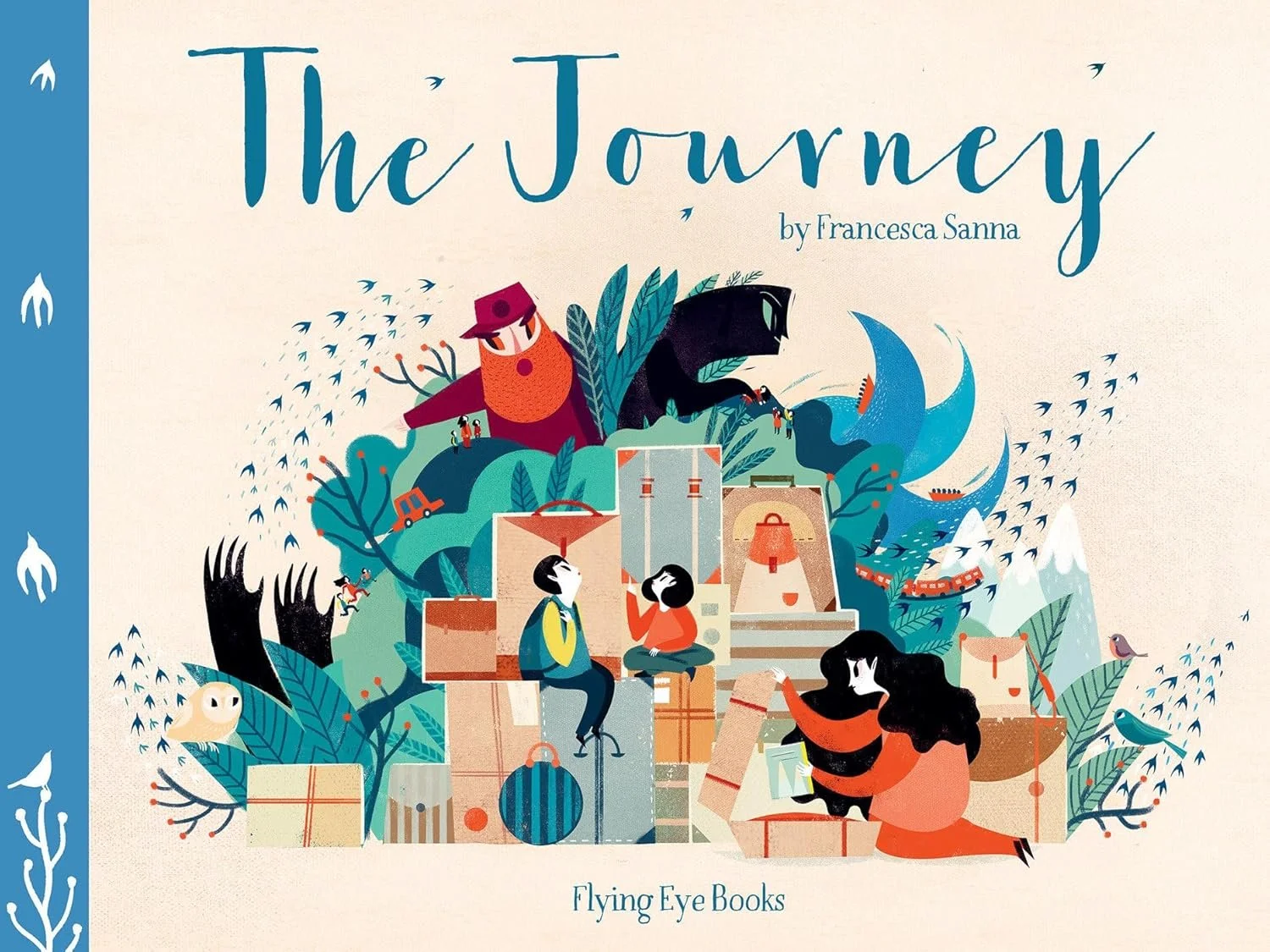
Journey tells the story of a mother and her two children who are forced to flee their home due to war and violence and begin a dangerous journey in search of safety. Told from a child’s perspective, the book illustrates the fear, uncertainty, and hope experienced by refugees. The story emphasizes resilience and the longing for peace, safety, and belonging.
Recommended Questions:
Why does the family have to leave their home, and what dangers do they face on their journey?
How does the author use color and images to show fear, hope, and safety throughout the story?
What choices does the mother have to make to protect her children? What do these choices tell us about refugees’ experiences?
How does geography—such as borders, landscapes, and countries—affect the family’s journey?
Why is the story told from a child’s point of view? How does this change how we understand the journey?
What similarities do you notice between the family’s journey and refugee experiences happening in the world today?
How might people in safer countries help refugees feel welcome and supported?
What responsibilities do nations have toward people fleeing war and violence?
How does the book challenge stereotypes or assumptions about refugees?
How can learning stories like Journey help us become more empathetic and informed global citizens?
NCSS Theme 9: Global Connections
Journey shows how conflict in one part of the world leads to migration across borders and affects families everywhere. The book helps students understand that global events such as war and displacement are interconnected and have human consequences. Through the family’s journey, students explore how people and nations are linked through shared challenges and responsibilities.
Social Justice Anchor Standard 13: Impact of injustice in the world
Journey examines how war, borders, and exclusionary systems force families to flee their homes. The story encourages students to consider the injustice faced by refugees and the barriers they encounter. Through discussion, students reflect on how societies respond to people seeking safety and how compassion can counter injustice.
WA Geography 3: Understands the geographic context of global issues and events
This book illustrates how geography shapes the family’s movement across borders and through unfamiliar landscapes as they flee conflict. Students examine how location, borders, and physical and political spaces affect refugees’ choices and experiences. The story encourages students to think about how global conflicts lead to migration and humanitarian crises.
