Baseball Saved Us
Book Summary:
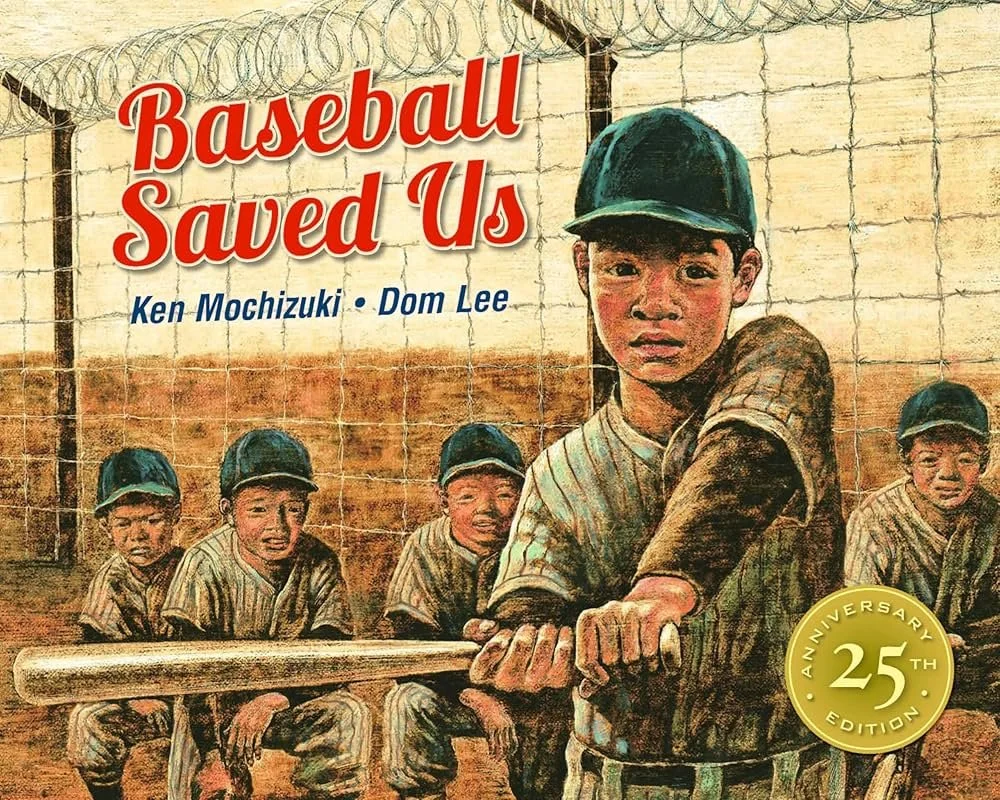
Baseball Saved Us tells the story of a Japanese American boy and his family who are forced into an internment camp during World War II. While life in the camp is harsh and unjust, baseball becomes a source of hope, pride, and strength for the community. Through the game, the narrator learns resilience and begins to reclaim a sense of dignity and belonging.
Recommended Questions:
Why were Japanese American families forced to leave their homes and live in internment camps?
The book includes the racist slur “Jap” to accurately show the prejudice Japanese Americans faced at the time. Why is it harmful to use racist slurs like this? How can words affect individuals, communities, and the way history is remembered? Why is it especially important to use respectful language when learning about past injustices and talking about people today?
How did government power and fear influence the treatment of Japanese Americans during World War II?
How did baseball help people in the camp cope with injustice and loss?
Why do you think the author chose baseball as a symbol of hope and resistance?
How might the narrator’s experience be different from the experiences of other children during World War II?
What rights were taken away from Japanese Americans, and why is this important to remember?
How does this historical event connect to issues of discrimination or civil liberties today?
What lessons can we learn from this story about standing up for justice and dignity?
How can communities support one another when facing unfair treatment?
Why is it important to learn about difficult parts of history, even when they are uncomfortable?
NCSS Theme 5: Groups, Individuals and Institutions
This book examines how government decisions impacted the lives of Japanese Americans during World War II. The forced incarceration of families shows how authority can be misused when fear and prejudice override constitutional principles. Students learn to question how power should be exercised in a democratic society.
Social Justice Anchor Standard 13: Historic Injustice
The story illustrates how Japanese Americans were unjustly incarcerated despite being citizens. Students learn that unfair laws and policies can cause real harm to individuals and communities. The book encourages critical thinking about fairness, equity, and the importance of standing up for justice.
WA Civics 1: Understands key ideals and principles of the United States
Baseball Saved Us shows how the constitutional rights of Japanese Americans—such as liberty, due process, and equal protection—were violated during World War II. Although the United States is founded on principles of freedom and justice, the internment camps reveal a moment when fear and prejudice overrode these ideals. Studying this book helps students understand why constitutional protections are important and how they must be upheld, especially during times of national crisis.
