The Story of Barbie
Book Summary:
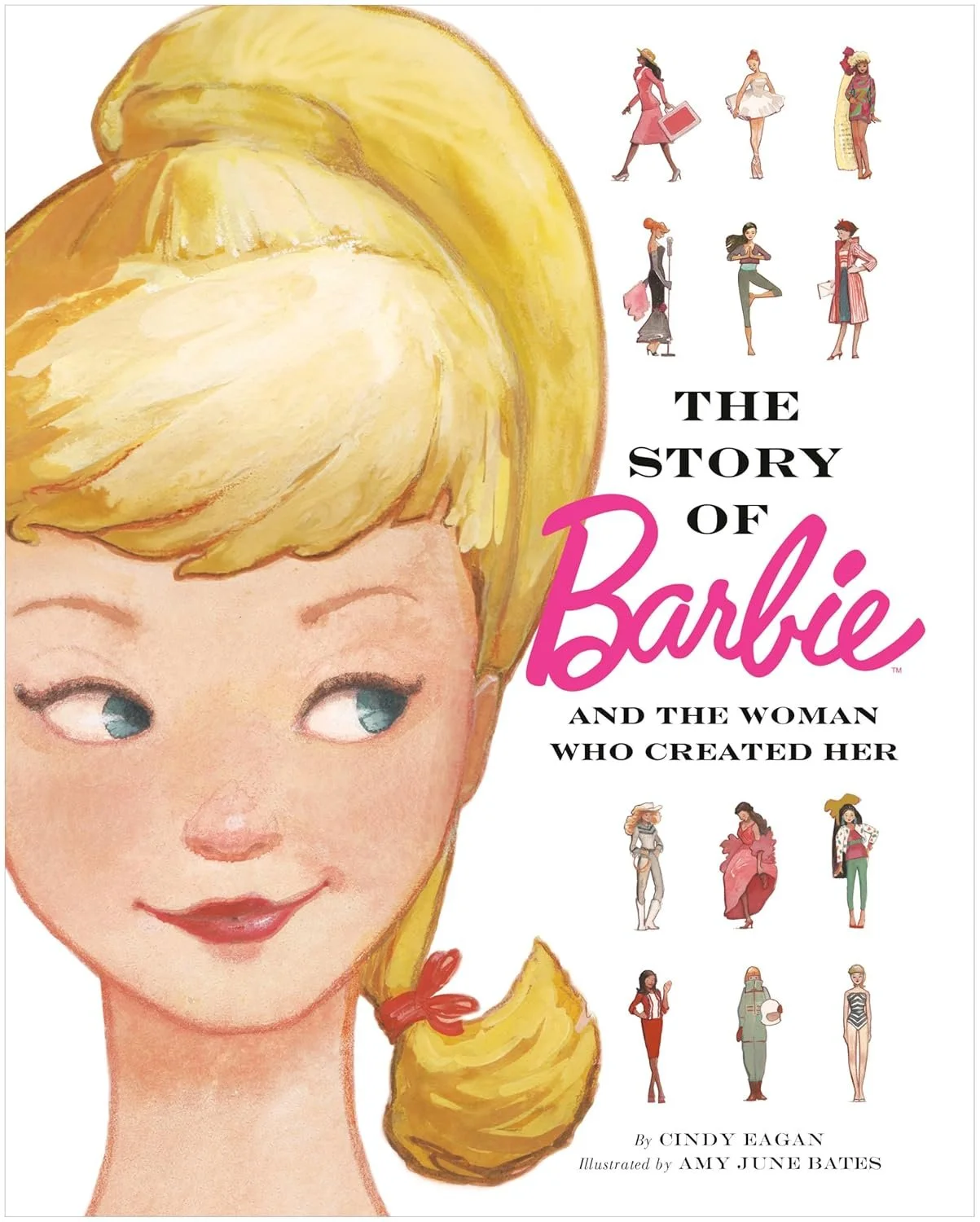
This picture book biography tells the story of Ruth Handler, the woman who co-founded Mattel and created the Barbie doll. Observing how her daughter played with paper dolls, Ruth imagined a toy that would allow girls to imagine their futures as adults. Despite skepticism from others, her idea eventually transformed the toy industry and became a cultural phenomenon.
Recommended Questions:
What problem or opportunity did Ruth Handler notice that led her to create Barbie?
Why do you think some people initially doubted Ruth’s idea for Barbie?
What risks might Ruth Handler have faced when introducing a new type of toy?
The book begins with a quote from Ruth,“My whole philosophy of Barbie was that through the doll, the little girl could be anything she wanted to be.” How might Barbie dolls influence the way children imagine their futures? Why is this important?
What other toys might influence the way children imagine their futures?
Why do you think Ken and other Barbie characters were created?
Based on the content of the book, what jobs or roles were not widely held by women when Barbie was first introduced? Choose two professions mentioned in the book and explain whether women today are widely, somewhat, or rarely represented in those fields. Use evidence and examples to support your reasoning.
Compare the first Barbie commercial from 1959 (link to video) with the 2025 International Women’s Day Barbie commercial (link to video). What differences do you notice? How might these changes reflect shifts in society’s expectations and opportunities for women?
How has the price of Barbies changed during that time period?
The last page asks, “Who will she be next? That’s up to you!” Who do you think the next Barbie should represent? Write a proposal to Mattel explaining why this person or role should be the next Barbie. If that Barbie already exists, write a letter explaining why that representation is important and thanking the company for creating it.
NCSS Theme 7: Production, Distribution and Consumption
This book explores how ideas become products that influence markets and society. Ruth Handler identified a need in the toy industry and created a new product that changed how children’s toys were designed and marketed. Students can examine how innovation, entrepreneurship, and consumer demand shape economic systems.
Social Justice Anchor Standard 12: Individual and institutional injustice
The story highlights how the creation of Barbie encouraged girls to imagine possibilities beyond the traditional roles society often expected of them. Over time, Barbie dolls sometimes reflected or even anticipated social change by representing women in roles that were historically limited for them. For example, Barbie appeared as an astronaut in 1965—four years before Sally Ride became the first American woman in space—and as a presidential candidate in 1992, helping normalize the idea of women in political leadership. These examples show how representation in toys and media can influence how society imagines women’s roles and opportunities.
WA Economics 1: Understands that people make choices between wants and needs and evaluate the outcomes of those choices
Ruth Handler made decisions about creating and promoting a new type of toy despite uncertainty about how consumers would respond. Her story illustrates how entrepreneurs evaluate opportunities, take risks, and respond to consumer interests. Students can analyze how economic choices and innovation influence businesses and markets.
Links to Related Primary and Secondary Resources
First Barbie commercial
